Alberta Overhauls Wild Boar Management to Combat Invasive Species Threat
New provincial regulations classify wild boar as a permanent pest to protect livestock and native ecosystems from disease and habitat destruction.
PENN Explainer
Hear this story explained in 90 seconds.
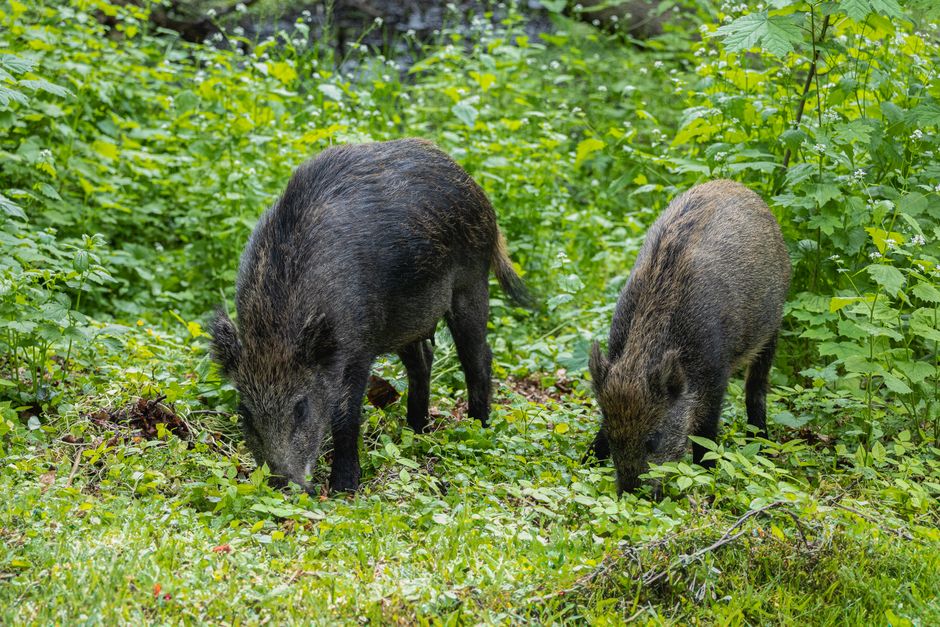
The government of Alberta has implemented significant changes to its wildlife management framework, officially classifying wild boar as a pest in all circumstances as of December 1, 2025. This regulatory shift aims to eliminate the threat posed by these invasive animals to the province's livestock industry and natural environment. Under the new rules, it is illegal to keep, transport, or sell live wild boar or their hybrids without specific authorization. The policy change is part of a broader effort to prevent the spread of diseases and protect native biodiversity.
Wild boar are considered a major agricultural pest because they harass livestock, consume feed, and contaminate water sources. Beyond direct impacts on farming, these animals compete with native wildlife for habitat and prey on the eggs of ground-nesting birds. Their presence also poses a significant biosecurity risk, as they can carry and transmit diseases such as African Swine Fever to domestic pigs and other wildlife. The province has launched the Wild Boar Control Program to coordinate monitoring, professional trapping, and disease surveillance efforts.
To assist those previously involved in the industry, the government introduced the Wild Boar On-Farm Exit Program. This initiative provides compensation for farmers who choose to cease operations and comply with the new containment and disposal regulations. Owners who wish to continue farming may do so under strict grandfathering provisions, provided they meet updated safety and containment standards. These measures are designed to ensure a controlled transition away from the private ownership of wild boar.
Public participation is a key component of the province's strategy to manage the invasive population. Officials are encouraging residents to report any sightings or signs of wild boar activity through an online portal to help track and remove the animals. By identifying and reporting these pests, citizens assist professional teams in focusing their removal efforts on areas where the animals are most active. This collaborative approach is intended to prevent the establishment of new populations in previously unaffected regions.
While hunting is often used as a tool for wildlife management, the government has determined it is not an effective strategy for controlling wild boar in Alberta. Because these animals reproduce rapidly and exhibit strong behavioral responses to hunting pressure, they often become more elusive or move to new areas when targeted by recreational hunters. Consequently, hunting and trapping by the general public are now illegal, with limited exceptions for landowners managing their own property. This restriction ensures that removal efforts remain professional, coordinated, and focused on total population elimination.
Farmers who suffer losses due to the presence of wild boar can now access support through the Agriculture Financial Services Corporation’s expanded Wildlife Damage Compensation Program. This financial safety net helps mitigate the economic impact of the invasive species on agricultural operations. By providing compensation, the province aims to reduce the burden on producers while maintaining a unified front against the spread of the animals. The program is part of a comprehensive strategy that integrates agricultural policy with wildlife conservation goals.
The management of wild boar in Alberta reflects a growing global concern regarding the impact of invasive pig species on ecosystems and food security. In other parts of the world, such as Asia, the spread of African Swine Fever has threatened the survival of endemic wild pig species, highlighting the importance of strict biosecurity measures. Conservationists emphasize that managing these populations is essential to protecting the health of both domestic livestock and wild animal communities. The Alberta model prioritizes professional intervention over recreational hunting to achieve these conservation outcomes.
As the new regulations take effect, the province continues to monitor the success of its control programs. The focus remains on long-term eradication rather than temporary population reduction. By treating the issue as a matter of agricultural and ecological security, Alberta seeks to safeguard its natural resources from the damage caused by invasive species. Future efforts will likely continue to emphasize the importance of public reporting and professional management to maintain the integrity of the province's landscapes.
You've reached your free article limit
You've read 10 of 10 free articles this month. Subscribe to Planet Earth News Network for unlimited access to neutral, global journalism — plus puzzles, podcasts, and the weekly newsletter.
Already a subscriber? Sign in.
Ask the Author
Subscribers can ask the journalist a question about this story. Subscribe to ask.
Neutrality note
Auto-harvested from global news wires and presented neutrally by PENN.
to vote
Comments
No comments yet — be the first to share your thoughts.
Related stories in Hunting and Conservation

Utah Wildlife Officials Direct Millions in License Fees Toward Habitat Restoration
2026-11-13
Kenya Launches $160 Million Conservation Fund to Bolster Community-Led Biodiversity Efforts
2026-11-13