Antarctic Isolation Study Reveals Social Challenges for Future Mars Missions
Researchers tracking a 12-person crew in the frozen wilderness find that social friction and cultural divides may pose greater risks than loneliness during long-term space travel.
PENN Explainer
Hear this story explained in 90 seconds.
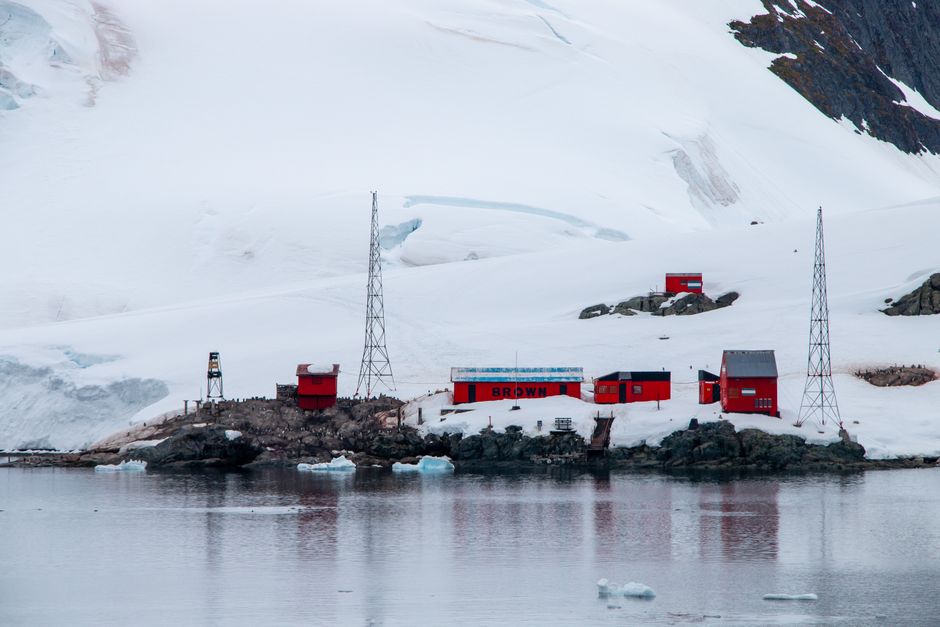
Researchers recently completed a significant study in Antarctica that could change how we plan for trips to Mars. For 10 months, a team of 12 people lived in total isolation at a remote research station. The goal was to see how the human mind handles the extreme conditions of a long-term mission.
Antarctica is often used as a stand-in for outer space because it is cold, dark, and lonely. The crew members had no way to leave and very little contact with the outside world. This environment helps scientists understand the psychological toll of living in a small, enclosed space for a long time.
The findings, released in August 2026, showed that loneliness is not the only problem astronauts will face. While being away from home is hard, the study found that being stuck with the same people is even harder. Over time, the crew members began to experience high levels of tension and mistrust.
One of the most interesting results was how the group divided itself. Instead of staying as one big team, the 12 people split into smaller groups. These divisions were often based on the languages they spoke or the cultures they came from.
This clique behavior could be dangerous on a real mission to Mars. If a crew is divided, they might not work together well during an emergency. Scientists say this shows that future missions must focus on more than just technical skills.
The study noted that frequent contact with the same few people actually made social problems worse. In a normal life, people can go home or see different friends to get a break. In Antarctica, or on a spaceship, there is nowhere else to go.
Researchers observed that small disagreements often grew into much larger conflicts. Because the environment was so stressful, people became more sensitive to the habits of others. This led to a breakdown in communication between some team members.
NASA Administrator Bill Nelson has often spoken about the importance of the human element in deep space travel. The agency, along with international partners, is currently designing the spacecraft that will take humans to Mars. These designs must now account for the need for private space and social harmony.
The study suggests that future crews will need special training in conflict resolution. Learning how to talk through problems before they become big fights will be a vital skill. Mental health support will also need to be available, even across the vast distances of space.
Cultural diversity is another key area for future research. While having a diverse crew is important for solving complex problems, it also requires better communication tools. The Antarctic study showed that language barriers can lead to feelings of exclusion.
Scientists believe that the physical layout of a Mars base could help solve some of these issues. For example, having separate areas for work and rest might reduce social friction. Providing ways for crew members to have virtual visits with family could also help.
This 10-month experiment is just one step in a much longer journey. As humanity prepares to leave Earth's orbit, understanding the human heart and mind is just as important as building a rocket. The lessons learned in the snows of Antarctica will help keep future explorers safe among the stars.
Ask the Author
Subscribers can ask the journalist a question about this story. Subscribe to ask.
中立性の注記
Auto-harvested from global news wires and presented neutrally by PENN.
to vote
Comments
No comments yet — be the first to share your thoughts.