Arctic Sea Ice Reaches Annual Minimum as Scientists Monitor Long-Term Trends
Satellite data confirms 2026 minimum extent ties for 10th-lowest on record, highlighting ongoing shifts in polar ice coverage.
PENN Explainer
Hear this story explained in 90 seconds.
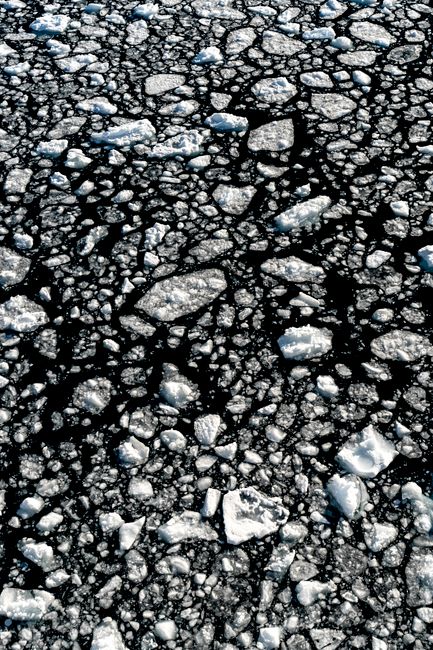
Arctic sea ice reached its annual minimum extent on September 12, 2026, according to data from NASA and the National Snow and Ice Data Center at the University of Colorado Boulder. The ice covered an estimated 1.78 million square miles, or 4.6 million square kilometers, at its lowest point of the year. This measurement ties 2008, 2010, and 2025 for the 10th-lowest minimum recorded since satellite observations began in 1978. Arctic sea ice typically follows a seasonal cycle, growing during the cold, dark winter months and retreating as temperatures rise throughout the spring and summer.
The annual minimum usually occurs in September before the cycle of growth begins again. While the 2026 minimum is consistent with recent patterns, it remains significantly lower than levels observed in the earlier part of the satellite record. Each of the past 20 summers has produced one of the 20 lowest annual minimum extents ever measured. Walt Meier, a senior research scientist at the National Snow and Ice Data Center, noted that while the decline has plateaued in recent years, the overall extent remains low compared to historical data.
Weather conditions, such as cloud cover, can influence the amount of ice that melts during a specific summer. Increased cloud cover over the last decade has sometimes prevented solar radiation from further accelerating the melt, according to Linette Boisvert, a sea ice scientist at NASA. Because of this year-to-year variability, researchers remain cautious about characterizing short-term fluctuations as a definitive long-term trend. The Arctic continues to experience rapid warming, which has led to a significant decline in the oldest and thickest multi-year ice.
This shift has implications for polar ecosystems, as the loss of sea ice affects the availability of algae that serve as a foundation for the marine food chain. Scientists from various nations continue to monitor these changes through collaborative efforts like the Distributed Biological Observatory. Ongoing research aims to understand how resilient these ecosystems are to climate perturbations as the open-water season in the Arctic continues to lengthen.
You've reached your free article limit
You've read 10 of 10 free articles this month. Subscribe to Planet Earth News Network for unlimited access to neutral, global journalism — plus puzzles, podcasts, and the weekly newsletter.
Already a subscriber? Sign in.
Ask the Author
Subscribers can ask the journalist a question about this story. Subscribe to ask.
Neutrality note
Auto-harvested from global news wires and presented neutrally by PENN.
to vote
Comments
No comments yet — be the first to share your thoughts.