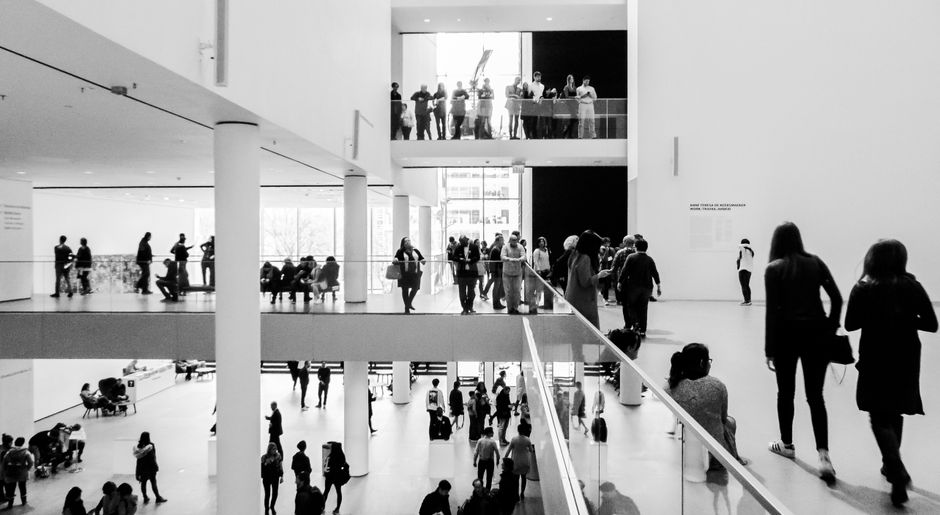
Art Basel Paris Concludes Amidst Protests and Cultural Debates
The major international art fair wrapped up its latest edition in France while facing external demonstrations and discussions regarding Latin American cultural narratives.
PENN Explainer
Hear this story explained in 90 seconds.
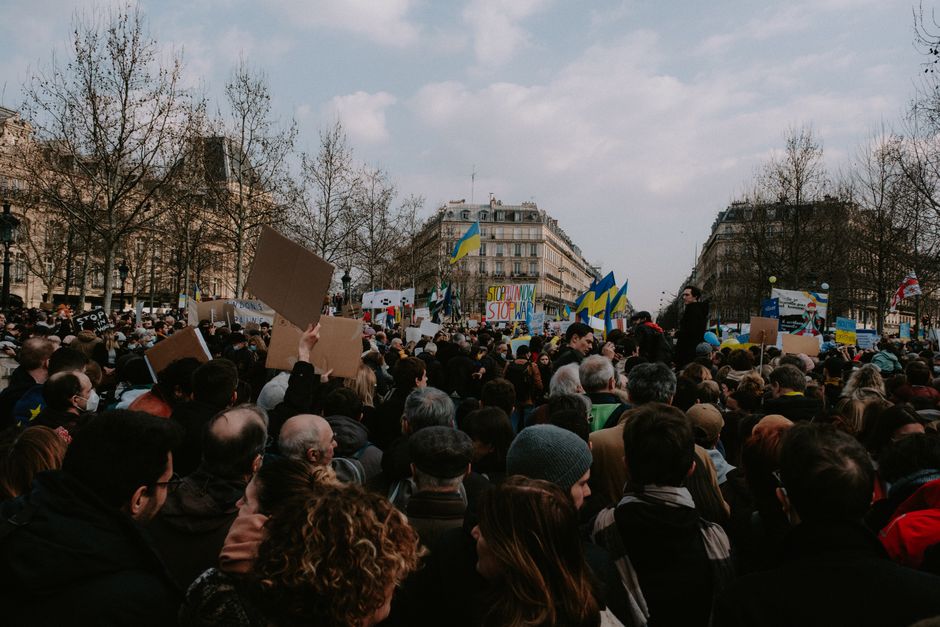
The annual Art Basel Paris fair concluded its latest run this week, drawing significant attention from the global art community. The event, which serves as a major hub for international galleries and collectors, took place in the French capital during a period of heightened public discourse. While the fair showcased a wide array of contemporary works, its presence was marked by external protests that highlighted broader social and political tensions. These demonstrations occurred throughout the duration of the event, impacting the atmosphere surrounding the exhibition halls.
Observers noted that the intersection of high-end art commerce and public activism remains a defining feature of the current cultural landscape. Beyond the immediate activity at the fair, the event served as a focal point for discussions regarding the role of art institutions in addressing global issues. Critics and attendees engaged in debates about how international art markets should respond to the evolving political climate. These conversations often centered on the responsibility of galleries to provide platforms for diverse and sometimes conflicting viewpoints.
The presence of these discussions underscored the ongoing evolution of the art world as it navigates complex societal challenges. A significant portion of the dialogue at this year's fair focused on the representation of Latin American art and the ongoing cultural debates surrounding it. Various panels and side events explored how historical narratives are being re-examined and challenged by contemporary artists from the region. This focus provided a platform for voices that have historically been underrepresented in major European art markets.
The emphasis on these narratives reflects a growing trend toward more inclusive and globally conscious programming in international art fairs. The fair also faced scrutiny regarding the broader impact of art market activities on local communities and public spaces. Protesters utilized the visibility of the event to draw attention to their specific causes, ranging from environmental concerns to social justice issues. Organizers of the fair maintained that the event remains a vital space for cultural exchange and economic activity within the art sector.
The ability of the fair to continue its operations while hosting such diverse perspectives remains a subject of ongoing analysis by industry experts. Looking ahead, the events in Paris are expected to influence how future international art gatherings are structured and managed. Institutions are now tasked with balancing the commercial requirements of such fairs with the increasing demand for social relevance and ethical accountability. The discussions sparked during this week will likely inform the programming of upcoming exhibitions and biennials across the globe. As the art world moves forward, the legacy of this year's fair will be defined by its role as a site of both artistic celebration and intense public debate.
You've reached your free article limit
You've read 10 of 10 free articles this month. Subscribe to Planet Earth News Network for unlimited access to neutral, global journalism — plus puzzles, podcasts, and the weekly newsletter.
Already a subscriber? Sign in.
Ask the Author
Subscribers can ask the journalist a question about this story. Subscribe to ask.
Neutrality note
Auto-harvested from global news wires and presented neutrally by PENN.
to vote
Comments
No comments yet — be the first to share your thoughts.