
Australia Launches Formal Tender for Medium-Range Ground-Based Air Defense System
Canberra seeks to bolster national security with a new air defense solution to counter evolving regional threats.
PENN Explainer
Hear this story explained in 90 seconds.
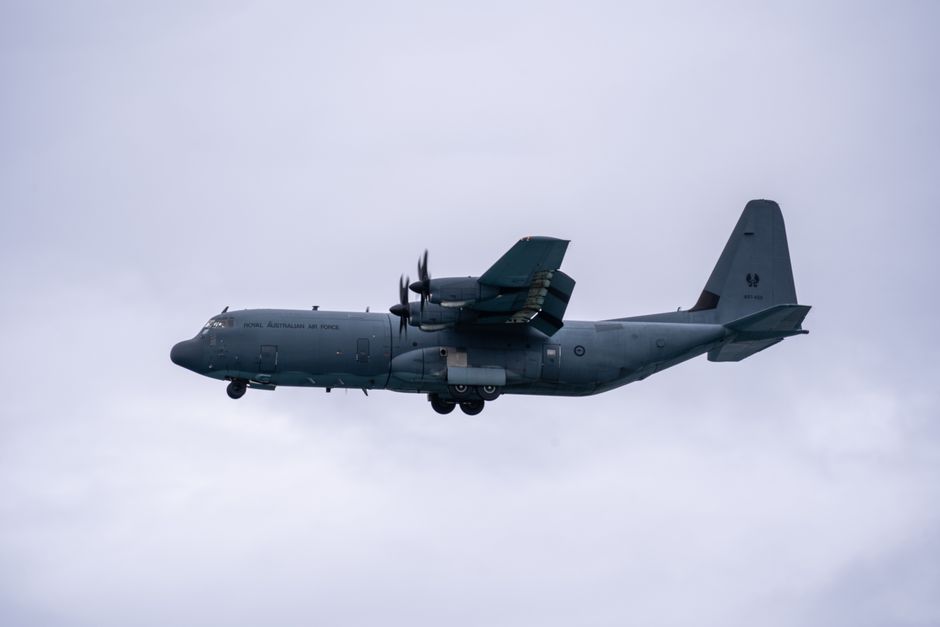
The Australian government has officially launched a formal tender process to acquire a medium-range, ground-based air defense system for the Australian Army. This initiative aims to address a significant gap in the nation's current defensive capabilities. The project is part of a broader effort to modernize the Australian Defence Force in response to a changing security environment in the Indo-Pacific region.
Defense officials have indicated that the new system must be a proven, off-the-shelf capability that can be integrated into the existing national command-and-control network. The requirement emphasizes the need for interoperability with current radar technology provided by CEA Technologies. Furthermore, the system must work seamlessly with the Joint Air Battle Management System currently under development by Lockheed Martin Australia.
Global interest in the tender is high, with vendors from the United States, Israel, South Korea, Turkey, and several European nations expected to participate. The Australian government is pursuing both direct commercial sales and U.S. Foreign Military Sales avenues to ensure the project meets its ambitious timeline. Officials hope that this dual-track approach will accelerate the procurement process.
Budgetary constraints remain a primary challenge for the project, as significant defense funding is currently allocated to the AUKUS nuclear-powered submarine program. Despite these financial pressures, the government views the air defense upgrade as a critical priority for national security. The project is designed to contribute to a larger, integrated defensive mesh across the country's northern approaches.
Final selection of the successful vendor is scheduled to take place by the end of 2027. Following the selection, the chosen system will undergo live-fire testing during the Exercise Talisman Saber in mid-2029. The military aims to achieve an initial operational capability for the new air defense assets by the early 2030s.
This procurement effort follows a series of regional security developments that have prompted Canberra to reassess its defensive posture. In early 2025, a naval task group from the People's Liberation Army circumnavigated Australia, and China later conducted an intercontinental ballistic missile test in the South Pacific. These events have heightened concerns among policymakers regarding the need for robust, long-range defensive measures.
Beyond this new tender, Australia has been actively investing in a wide range of autonomous and counter-drone technologies. The Australian Defence Force has recently updated its regulations to allow for the detection and neutralization of hostile drones near military assets. These efforts are supported by local industry partners who are developing sovereign capabilities to ensure technological independence.
Training for these new systems is also being prioritized across the military branches. The Australian Army has expanded its first-person-view drone training to better prepare personnel for modern battlefield conditions. This focus on training is complemented by the nation's success in international military drone racing tournaments, which help develop highly skilled pilots and engineers.
As the procurement process moves forward, the government is also looking to establish permanent innovation hubs similar to Ukraine's Brave1 platform. These hubs would facilitate closer collaboration between the defense industry and frontline units to accelerate the delivery of new technologies. The goal is to create a sustainable ecosystem that can rapidly iterate and deploy defensive solutions.
Ultimately, the success of the medium-range air defense project will depend on the ability to integrate diverse technologies within a strict timeframe. By leveraging both international partnerships and domestic industrial expertise, Australia aims to enhance its ability to deter potential threats. The coming years will be decisive as the military works to field these advanced systems and secure its strategic interests.
You've reached your free article limit
You've read 10 of 10 free articles this month. Subscribe to Planet Earth News Network for unlimited access to neutral, global journalism — plus puzzles, podcasts, and the weekly newsletter.
Already a subscriber? Sign in.
Ask the Author
Subscribers can ask the journalist a question about this story. Subscribe to ask.
Neutrality note
Auto-harvested from global news wires and presented neutrally by PENN.
to vote
Comments
No comments yet — be the first to share your thoughts.
Related stories in Defense & Military

Cyprus, France, and Sweden Establish Framework for Joint Anti-Tank Missile Procurement
2026-11-09
Germany and United Kingdom Strengthen Defense Ties Through New Strategic Partnership
2026-11-09