
Australian Housing Market Faces Widespread Price Declines Amid Supply Shortages
Rising mortgage rates and construction hurdles contribute to a cooling property sector across major capital cities.
PENN Explainer
Hear this story explained in 90 seconds.
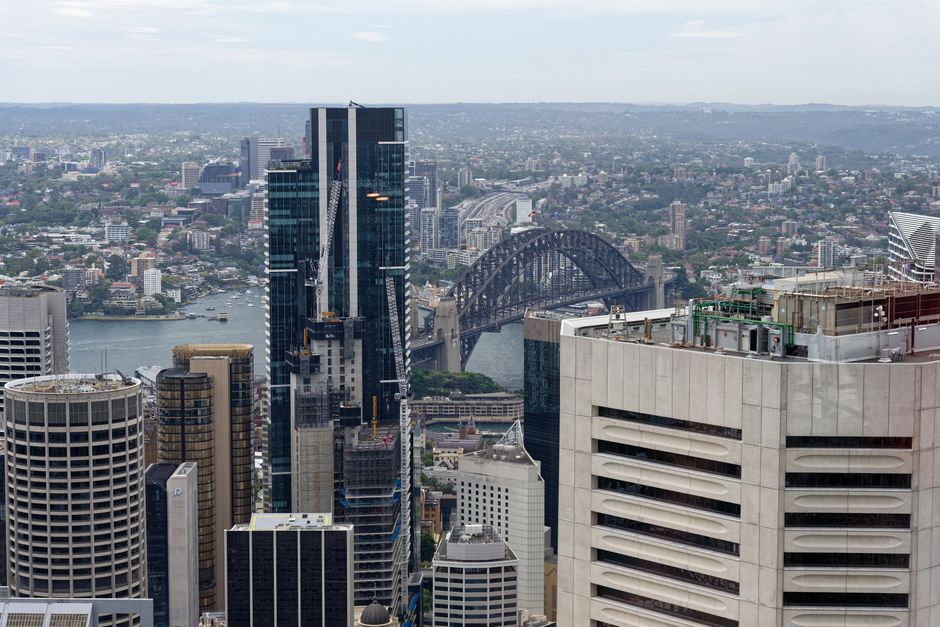
Australia's residential property market is experiencing a broad downturn as home values across all five major capital cities have recorded negative monthly growth. This shift marks a significant change in the property cycle, with prices in major urban centers now sitting below their 2026 peaks. The cooling trend, which initially impacted Sydney and Melbourne, has now spread to Brisbane, Perth, and Adelaide.
High interest rates remain a primary driver of this market softening. The Reserve Bank of Australia has maintained the cash rate at 4.35% following a series of hikes earlier in the year. While this pause provides some stability, the cumulative effect of previous increases continues to weigh on buyer sentiment and borrowing capacity.
Market data indicates that clearance rates across combined capital cities have remained below 50% since late May. Vendors are increasingly adjusting to these conditions, with the median vendor discount widening to 3.9% in recent months. Homes are also taking longer to sell, with the national median time on market rising to 35 days.
Despite the decline in prices, the nation continues to grapple with a persistent housing supply crisis. Master Builders Australia Chief Executive Officer Denita Wawn stated that it beggars belief that a country as rich in land and resources is struggling to deliver the necessary homes. The industry is currently falling behind the National Housing Accord target of 1.2 million new homes by the end of the decade.
Construction activity faces significant headwinds from labor shortages and rising material costs. Independent modeling suggests that current policy settings and regulatory burdens are contributing to fewer dwelling starts. Some estimates indicate that thousands of fewer homes will be built over the next four years than previously projected.
State governments are attempting to intervene through various planning reforms to stimulate development. In New South Wales, the government has introduced incentives for developers who include at least 15% affordable housing in their projects. These measures offer floor space and height bonuses to encourage the construction of more social and affordable units.
New South Wales Premier Chris Minns noted that these reforms are an important step in addressing the supply crisis. Minister for Planning and Public Spaces Paul Scully added that the government shares a responsibility to deal with the housing challenges facing the state. Officials hope these changes will help deliver more homes in areas where demand is highest.
However, industry leaders warn that policy uncertainty remains a major barrier to progress. Property Council of Australia Chief Executive Mike Zorbas cautioned that new taxes and regulatory changes could lead to project cancellations. He emphasized that housing supply depends heavily on market confidence and the commercial feasibility of new developments.
Investors are also shifting their focus as market conditions evolve. While investor lending has softened, there is a growing interest in smaller lots, townhouses, and higher-density housing options. This trend reflects changing demographics and a need for more diverse housing forms in urban environments.
Looking ahead, the tension between housing demand and supply is expected to persist. Experts suggest that without further policy intervention, the structural imbalance in the market will likely continue. The industry remains focused on balancing the need for more homes with the realities of a constrained construction workforce and high development costs.
You've reached your free article limit
You've read 10 of 10 free articles this month. Subscribe to Planet Earth News Network for unlimited access to neutral, global journalism — plus puzzles, podcasts, and the weekly newsletter.
Already a subscriber? Sign in.
Ask the Author
Subscribers can ask the journalist a question about this story. Subscribe to ask.
Neutrality note
Auto-harvested from global news wires and presented neutrally by PENN.
to vote
Comments
No comments yet — be the first to share your thoughts.
Related stories in Real Estate & Housing

Australian Property Investment Plummets as Housing Finance Market Contracts
2026-11-14
Australian Investor Lending Hits Record Low Amid Market Contraction
2026-11-14