Baltimore Partnership Transforms Polluted Harbor into Swimmable Waterway
A multi-stakeholder initiative combines innovative trash collection and sewage infrastructure upgrades to restore urban water quality.
PENN Explainer
Hear this story explained in 90 seconds.
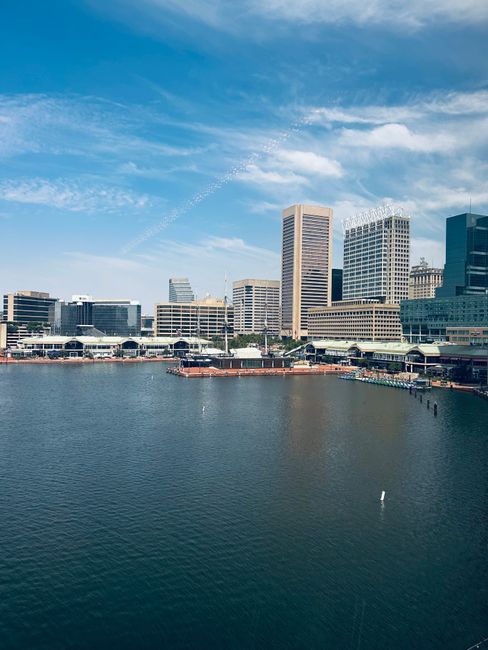
The city of Baltimore, Maryland, has achieved a significant environmental milestone by transforming its historically polluted harbor into a swimmable waterway. This success is the result of a multi-stakeholder partnership that addressed long-standing water quality issues through both technological innovation and major infrastructure investment. For decades, the harbor suffered from high levels of trash and sewage contamination, which limited its use for recreation and harmed local aquatic life. By focusing on these two primary sources of pollution, the city has managed to restore the health of the harbor in a measurable way. A central component of this effort was the installation of innovative trash collection systems, most notably the famous 'Mr. Trash Wheel.' These solar-powered devices use a combination of booms and a water wheel to intercept debris before it can spread throughout the harbor. This system has successfully removed tons of plastic, bottles, and other waste from the water, preventing it from reaching the Chesapeake Bay. The consistent removal of physical trash has improved the aesthetic and ecological condition of the harbor, making it more inviting for public use. Beyond physical waste, the partnership tackled the more complex issue of sewage overflows that frequently compromised water safety. A massive $430 million investment was directed toward upgrading the city's aging sewage treatment facilities. These improvements were designed to modernize the infrastructure and increase capacity during heavy rainfall events. As a result of these upgrades, sewage overflows into the harbor have been reduced by 80 percent. This dramatic decrease in bacterial contamination has been critical in meeting safety standards for swimming and other water-based activities. The project demonstrates how targeted infrastructure spending can yield direct benefits for urban public health and environmental quality. The success in Baltimore serves as a potential model for other cities facing similar challenges with industrial-era water systems. By combining creative, visible solutions like trash wheels with substantial, behind-the-scenes engineering projects, the city has created a more resilient and accessible waterfront. Local officials and community partners continue to monitor water quality to ensure that these gains are maintained over the long term. The transformation of the harbor is now viewed as a significant step forward in the city's ongoing efforts to revitalize its urban environment. Residents and visitors can now enjoy a cleaner, safer waterway that was once considered unusable. This initiative highlights the importance of collaborative, evidence-based approaches to solving complex urban environmental problems.
Ask the Author
Subscribers can ask the journalist a question about this story. Subscribe to ask.
Neutralitätsvermerk
Auto-harvested from global news wires and presented neutrally by PENN.
to vote
Comments
No comments yet — be the first to share your thoughts.