Bangalore Combines Traditional Well Restoration with Modern Water Treatment
Local communities are securing reliable water access by integrating ancient well-building techniques with advanced filtration technology.
PENN Explainer
Hear this story explained in 90 seconds.
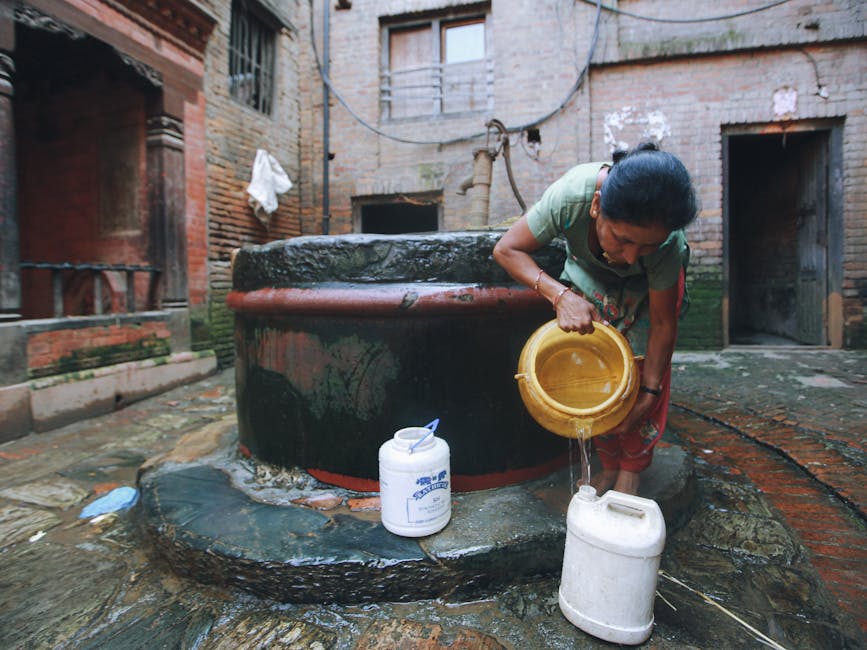
The city of Bangalore is addressing its persistent water crisis by blending traditional well-building practices with modern wastewater treatment technology. This dual approach aims to restore forgotten water sources while ensuring the safety of the supply through advanced filtration. By involving local residents in the maintenance of these systems, the city has made measurable progress toward a more sustainable water future. The initiative focuses on reviving historical wells that had fallen into disrepair over decades of rapid urban expansion.
These structures are now being integrated into a broader network of decentralized water management systems. This strategy reduces the city's reliance on distant water sources and helps mitigate the impact of seasonal shortages. Community members play a central role in the daily operation of these restored sites. Residents regularly clean the water taps and perform routine system maintenance to ensure the supply remains consistent and safe.
This hands-on involvement has fostered a sense of local ownership and accountability for the infrastructure. Many of these systems now utilize solar-powered pumps to move water, making them both energy-efficient and reliable during power fluctuations. The solar-powered solution has quickly become a primary source of clean water for several neighborhoods. Data indicates that these community-managed wells provide a stable, cost-effective alternative to private water tankers.
By combining indigenous knowledge with contemporary engineering, Bangalore is creating a scalable model for other rapidly growing urban centers. The success of this project highlights the importance of community participation in managing essential public resources. Future plans include expanding the restoration efforts to additional districts across the city to further improve water security.
You've reached your free article limit
You've read 10 of 10 free articles this month. Subscribe to Planet Earth News Network for unlimited access to neutral, global journalism — plus puzzles, podcasts, and the weekly newsletter.
Already a subscriber? Sign in.
Ask the Author
Subscribers can ask the journalist a question about this story. Subscribe to ask.
Neutrality note
Auto-harvested from global news wires and presented neutrally by PENN.
to vote
Comments
No comments yet — be the first to share your thoughts.
Related stories in Solutions

Harris County Adopts Comprehensive Climate Justice Plan to Build Community Resilience
2026-11-13
Indigenous-Led Solar Canoe Initiative Expands Sustainable Transport Across the Amazon
2026-11-13