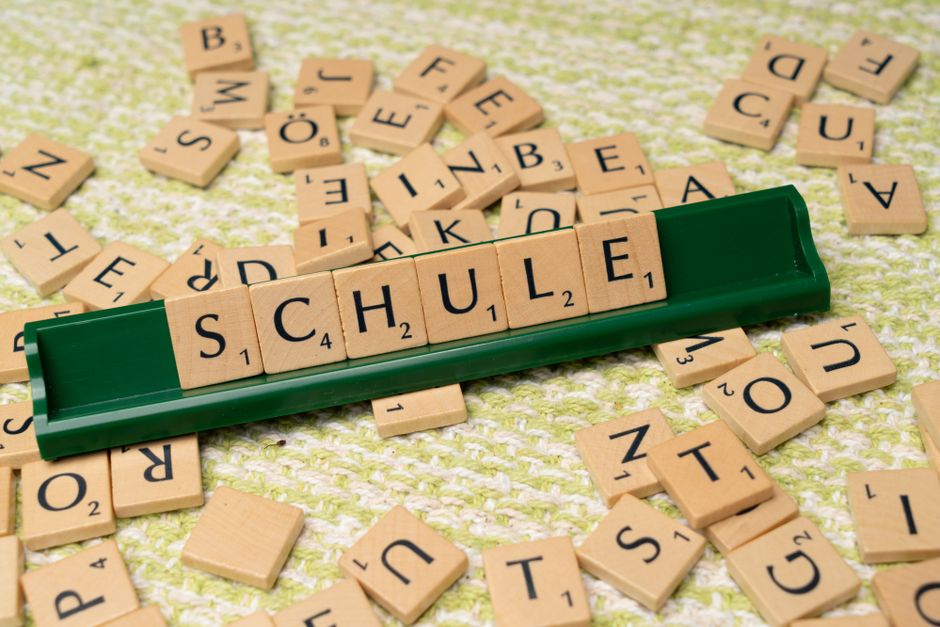
Brazil Achieves Historic Milestone in Early Childhood Literacy Rates
National literacy targets surpassed as collaborative efforts between government and civil society show measurable progress in primary education.
PENN Explainer
Hear this story explained in 90 seconds.
Brazil has reached a significant milestone in its national education goals, with 66 percent of children achieving literacy by the end of their second year of primary school in 2025. This figure marks the first time the country has surpassed its established national target for early childhood reading and writing proficiency. Nearly 2,000 municipalities across the nation have already met the literacy benchmarks originally set for the year 2030.
This progress is attributed to a collective effort involving teachers, school leaders, and various levels of government. The Brazil Collaborative Literacy initiative has played a central role by providing training and data-informed support to educators. By focusing on the foundational years of schooling, the program aims to ensure that students develop essential skills at the appropriate age.
The strategy draws inspiration from successful local models, such as those implemented in Sobral, Ceará. These approaches emphasize the importance of consistent assessment and targeted policy interventions to improve classroom outcomes. The initiative currently operates in 62 territories, impacting the educational experience of approximately 4.2 million students in the public system.
Despite these gains, the broader Brazilian education landscape continues to face structural challenges. Recent data indicates that infrastructure gaps remain, with a significant portion of municipal early childhood institutions lacking age-appropriate facilities. Furthermore, disparities in access to resources like libraries and sports courts persist between public and private school settings.
Secondary education also remains a focus of ongoing reform efforts. Over the past decade, Brazil has navigated a complex process of reinventing its upper secondary system to better engage students. This journey has included public consultations and legislative adjustments designed to make vocational education more flexible and locally relevant.
Educational equity remains a critical concern for policymakers and advocates. While Afro-Brazilian and mixed-race students represent the majority of middle-school enrollment, proficiency rates in mathematics remain lower than desired for these groups. Organizations are now working to address these racial inequalities by strengthening public school conditions and supporting inclusive pedagogical practices.
Indigenous education faces its own unique set of obstacles, including limited access to secondary schooling within local territories. Research from the Plurinational Institute of Indigenous Researchers highlights that many students must leave their communities to continue their studies. Efforts are underway to support organizations that develop solutions rooted in Indigenous knowledge and languages.
Financial investment in the sector remains a priority for the federal government. Brazil currently allocates approximately 4.3 percent of its gross domestic product to public education, a figure that exceeds the average spending of many other nations. Funding mechanisms like the Fund for the Maintenance and Development of Basic Education continue to provide essential resources for professional development and school maintenance.
International partnerships also contribute to the ongoing evolution of the system. Organizations such as UNICEF have collaborated with local authorities to improve school attendance through strategies like the School Active Search. These programs have successfully re-enrolled tens of thousands of students, with a specific focus on supporting black and indigenous youth.
Looking ahead, the focus remains on sustaining these improvements through continued dialogue and policy refinement. Experts emphasize that successful reform requires not only structural changes but also a commitment to what happens inside the classroom. By maintaining a focus on data and teacher support, Brazil aims to build a more resilient and equitable education system for all students.
You've reached your free article limit
You've read 10 of 10 free articles this month. Subscribe to Planet Earth News Network for unlimited access to neutral, global journalism — plus puzzles, podcasts, and the weekly newsletter.
Already a subscriber? Sign in.
Ask the Author
Subscribers can ask the journalist a question about this story. Subscribe to ask.
Neutrality note
Auto-harvested from global news wires and presented neutrally by PENN.
to vote
Comments
No comments yet — be the first to share your thoughts.