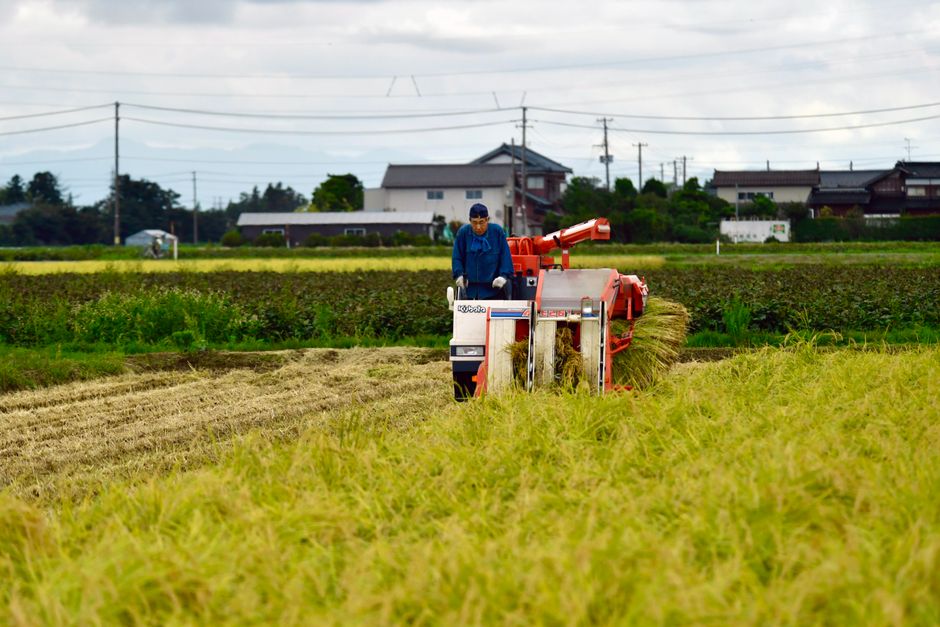
Brazil Faces Agricultural Headwinds as 2026-27 Harvest Outlook Shifts
Rising production costs and unpredictable weather patterns challenge Brazil's grain sector as the new growing season begins.

PENN Explainer
Hear this story explained in 90 seconds.
Brazil is entering the 2026-27 agricultural cycle facing a complex mix of economic and environmental challenges that threaten to dampen its recent record-breaking performance. While the nation remains a global powerhouse for grain exports, farmers are grappling with high production costs and elevated fertilizer prices. These financial pressures are compounded by the potential for El Niño weather patterns to disrupt traditional growing conditions across key agricultural states. The Office of Agricultural Affairs in Brasilia recently reported that these factors are forcing a re-evaluation of production forecasts for the upcoming harvest.
Corn production is expected to face a decline compared to the previous season, as farmers adjust to tighter profit margins. Although total exports are still projected to reach 43 million metric tons, the overall supply chain is feeling the strain of reduced planting incentives. The second corn crop, a vital component of Brazil's annual output, is particularly sensitive to these shifting economic variables. Analysts are monitoring the situation closely to see if favorable weather can offset the current financial constraints.
Brazil's rice industry is also navigating a difficult period characterized by tight credit conditions and high interest rates. These economic hurdles have led to a reduction in the total planted area, as producers struggle to justify the steep costs of cultivation. The resulting erosion of profit margins has created a cautious atmosphere among growers who are now prioritizing efficiency over expansion. This trend marks a significant shift from the aggressive growth seen in previous years.
Wheat production is facing perhaps the most dramatic outlook, with forecasts suggesting a 22.5 percent drop to 6.1 million metric tons for the 2026-27 cycle. This decline is driven by a combination of recent crop failures and persistent price volatility that has discouraged new investment. As domestic production falls, Brazil is expected to see its import demand rise to record levels to meet internal consumption needs. The government and private sector are now looking for ways to stabilize the wheat supply chain against these mounting pressures.
Logistics and transportation costs have added another layer of complexity to the agricultural landscape. In regions like Minas Gerais, freight rates for coffee harvest logistics have risen by as much as 36.2 percent, impacting the broader movement of goods. While ports like Santos and the Northern Arc continue to handle significant volumes, the rising cost of moving grain from the interior to the coast remains a concern for exporters. These logistical challenges are closely tied to the ongoing demand for soybeans and the specific harvest dynamics of each state.
Weather patterns remain the most unpredictable variable for the coming months. Meteorologists have noted that while some areas have seen improved soil moisture, others are trending toward drier conditions that could stress crops during critical growth stages. The potential for below-normal rainfall in southern Brazil and parts of Argentina has prompted experts to warn of possible downward trends in crop conditions. Farmers are currently balancing these climate risks against the need to maintain consistent output levels.
Despite these hurdles, Brazil's role in the global food system remains central. The country continues to be a primary supplier for international markets, and its ability to navigate these current challenges will have ripple effects on global grain prices. Stakeholders are watching for updates from the National Supply Company, known as Conab, to gauge the full impact of these developments on the national harvest. The resilience of the Brazilian agricultural sector will be tested as it moves through the most important months of the growing season.
You've reached your free article limit
You've read 10 of 10 free articles this month. Subscribe to Planet Earth News Network for unlimited access to neutral, global journalism — plus puzzles, podcasts, and the weekly newsletter.
Already a subscriber? Sign in.
Ask the Author
Subscribers can ask the journalist a question about this story. Subscribe to ask.
Neutrality note
Auto-harvested from global news wires and presented neutrally by PENN.
to vote
Comments
No comments yet — be the first to share your thoughts.
Related stories in Agriculture & Food Security

India Considers New Export Restrictions on Broken Rice Amid Rising Domestic Demand
2026-11-16
Lithuania Implements Stricter Origin Checks on Russian and Belarusian Grain
2026-11-16