
Brazil, Norway, and the Netherlands Launch Green Shipping Corridor
Three nations partner to decarbonize maritime trade routes between South America and Europe.
PENN Explainer
Hear this story explained in 90 seconds.
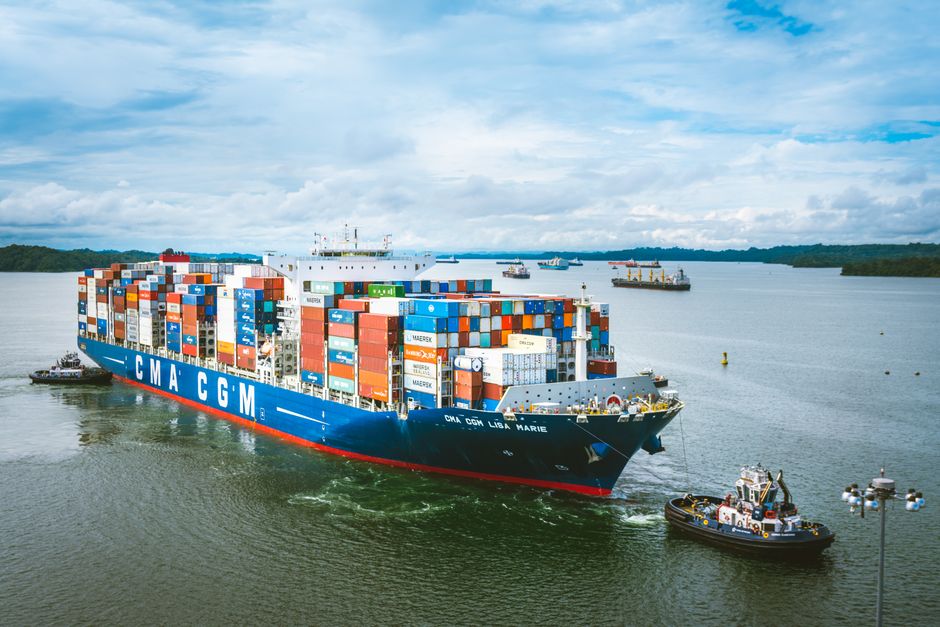
Brazil, Norway, and the Netherlands have officially launched a collaborative initiative to develop a green shipping corridor connecting South America to Europe. This strategic partnership aims to reduce carbon emissions along one of the most significant maritime trade routes in the world. The project was formalized following extensive research and a series of diplomatic agreements between the three nations.
The initiative stems from a Memorandum of Understanding originally signed between Norway and Brazil in February 2025. The Netherlands joined the partnership in January 2026 to further strengthen the logistical and technical framework of the corridor. The collaboration is designed to address the environmental impact of long-distance shipping, which remains a major contributor to global greenhouse gas emissions.
According to a study conducted by the Norwegian consultancy DNV, the primary route for this corridor links the Port of Vila do Conde in Brazil to Karmøy in Norway. This specific path accounts for approximately 66 percent of the bilateral emissions currently generated between the two countries. By focusing on this route, the partners hope to create a scalable model for sustainable maritime transport.
Astrid Hoem, the state secretary at Norway’s Ministry of Climate and Environment, highlighted the complementary strengths of the participating nations. She noted that Brazil provides a largely renewable electricity matrix and industrial hubs near strategic ports, while Norway contributes its advanced maritime industry expertise. This combination is intended to facilitate the transition toward cleaner fuel sources for large cargo vessels.
Despite the clear environmental goals, officials acknowledge that significant challenges remain in making these operations economically viable. Tetsu Koike, a director at the Brazilian Ministry of Ports and Airports, explained that the primary bottleneck is not a lack of investment or regulation, but rather the need for better coordination among the various actors involved. The project seeks to bridge this gap by fostering cooperation between shipowners, cargo owners, and port authorities.
To support these efforts, the three countries plan to launch a joint research and development call in 2026. This initiative, valued at approximately 100 million dollars, will be managed in partnership with the Brazilian agency Finep. The funding is specifically earmarked for research into alternative fuels and innovative maritime technologies.
This green shipping corridor is part of a broader trend of climate-focused diplomacy between these nations. Brazil and Norway have long maintained a robust partnership centered on forest conservation and the protection of the Amazon rainforest. By expanding their cooperation into the maritime sector, both countries are diversifying their environmental commitments.
The inclusion of the Netherlands adds a critical European logistical hub to the partnership. Dutch participation is expected to enhance the efficiency of the corridor by integrating European port infrastructure into the decarbonization strategy. This multilateral approach reflects a growing preference for regional and cross-continental alliances in addressing climate change.
Diplomatic relations between these countries have deepened significantly over the past two years. Beyond shipping, the nations continue to engage in dialogues regarding trade, ocean governance, and multilateral cooperation. These efforts are seen as essential for maintaining stable economic ties while meeting international climate targets.
Looking ahead, the success of the green shipping corridor will depend on the ability of the participating governments to establish long-term purchase agreements for sustainable fuels. The partners are currently working to create consortia that can provide the necessary stability for private sector investment. If successful, the project could serve as a blueprint for other nations seeking to green their international supply chains.
You've reached your free article limit
You've read 10 of 10 free articles this month. Subscribe to Planet Earth News Network for unlimited access to neutral, global journalism — plus puzzles, podcasts, and the weekly newsletter.
Already a subscriber? Sign in.
Ask the Author
Subscribers can ask the journalist a question about this story. Subscribe to ask.
Neutrality note
Auto-harvested from global news wires and presented neutrally by PENN.
to vote
Comments
No comments yet — be the first to share your thoughts.
Related stories in Diplomacy & Foreign Affairs

Doha Hosts International Forum on Diplomatic Training Amid Global Shifts
2026-11-10
Philippine Government Issues Directive to Align Foreign Policy Statements on China
2026-11-10