
Brazilian Soybean Planting Faces Delays Amid Weather Uncertainty
Farmers in Mato Grosso navigate cautious start to 2026/27 season as rainfall patterns influence crop progress.
PENN Explainer
Hear this story explained in 90 seconds.
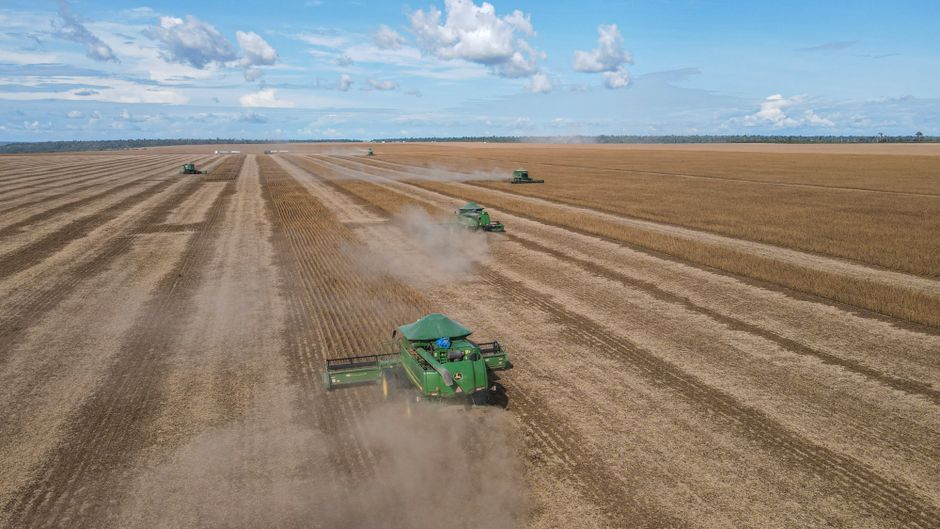
Soybean planting for the 2026/27 harvest is currently moving at a cautious pace across the state of Mato Grosso, Brazil. Agricultural experts note that the planting progress is slightly behind the levels recorded during the same period in the previous cycle. This delay is largely attributed to inconsistent rainfall patterns that have impacted fields in the region. Farmers are now closely monitoring weather forecasts, hoping for more consistent precipitation to support the development of their crops.
The Mato Grosso Institute of Agricultural Economics, known as Imea, has been tracking these developments through its weekly bulletins. According to their data, the current planting percentage remains just under the levels observed during the 2023/24 season, which was also influenced by El Niño conditions. While the pace is slower than some had initially hoped, analysts suggest that a return of steady rainfall could lead to a more consistent recovery in the coming weeks. The agricultural sector remains optimistic that the situation will stabilize as the season progresses.
This planting phase is critical for Brazil, which continues to hold its position as a leading global producer and exporter of soybeans. The National Supply Company, or CONAB, has projected that Brazilian soybean exports will reach 43.92 million tons for the 2025/26 harvest. This represents a notable increase of over five percent compared to the previous season. These export figures highlight the significant role that Brazilian agriculture plays in meeting international demand for oilseeds.
Global market dynamics are also influencing the current agricultural landscape in South America. Increased competition from other major exporters, including the United States and Argentina, is shaping how Brazilian farmers approach their production strategies. Argentina is currently expanding its own supply, which adds another layer of complexity to the international trade environment. Traders are watching these developments closely as they assess the potential impact on global commodity prices.
Logistics and transportation costs have also become a central focus for the industry in Brazil. Recent reports indicate that agricultural freight rates have shown an upward trend, driven by strong international demand and the ongoing harvest activities. Key export ports, such as the Northern Arc and Santos, continue to handle significant volumes of grain shipments. These infrastructure hubs remain essential for maintaining the flow of products from the farm to international markets.
Input costs, particularly for fertilizers, are another factor that farmers are navigating this season. Brazil imports a large portion of the fertilizers it uses, and recent price increases for nitrogen-based products have added to the financial pressure on producers. The National Confederation of Industry has noted that these rising costs directly affect the bottom line for upcoming wheat, corn, and soybean harvests. Farmers are balancing these expenses against the potential returns from their crops.
Beyond the immediate planting challenges, the broader agricultural sector in Mato Grosso remains a primary economic engine for Brazil. The state consistently ranks at the top of the national agricultural production list, supported by a diverse mix of commodities including soybeans, corn, and cattle. This economic strength is vital for the local population and contributes significantly to the national gross domestic product. Policymakers and industry leaders continue to invest in infrastructure to support this growth.
Environmental and regulatory considerations also play a role in the expansion of agricultural frontiers. Discussions regarding land use and sustainability are ongoing as the industry seeks to balance production goals with environmental stewardship. Independent auditing and monitoring of supply chains are becoming more common as companies aim to meet international quality and safety standards. These efforts are intended to ensure that the growth of the sector remains sustainable over the long term.
Looking ahead, the market is preparing for updated supply and demand estimates from agricultural agencies. These reports will provide further clarity on production expectations and help stakeholders make informed decisions for the remainder of the season. The combination of weather monitoring, logistical management, and market analysis will continue to define the success of the 2026/27 harvest. For now, the focus remains on the fields of Mato Grosso as farmers work to overcome the current planting delays.
You've reached your free article limit
You've read 10 of 10 free articles this month. Subscribe to Planet Earth News Network for unlimited access to neutral, global journalism — plus puzzles, podcasts, and the weekly newsletter.
Already a subscriber? Sign in.
Ask the Author
Subscribers can ask the journalist a question about this story. Subscribe to ask.
Neutrality note
Auto-harvested from global news wires and presented neutrally by PENN.
to vote
Comments
No comments yet — be the first to share your thoughts.
Related stories in Agriculture & Food Security

Brazil Launches Targeted Credit Initiative to Bolster Family Farming and Food Security
2026-11-12
Sri Lanka Launches Ambitious AgriConnect Plan to Modernize Farming Sector
2026-11-12