Politicsen
Bulgarian Government Withdraws 2026 Budget Proposal Following Nationwide Protests
The administration seeks to calm public unrest after tens of thousands demonstrated against fiscal policies across the country.
PENN Explainer
Hear this story explained in 90 seconds.
The government of Bulgaria has officially withdrawn its draft budget for 2026 following a series of massive nationwide protests. This decision marks a significant shift in the country's fiscal planning after citizens expressed widespread dissatisfaction with the proposed economic measures. The Council of Ministers formally requested that the National Assembly adopt a resolution to cancel the draft Law on the State Budget for 2026.
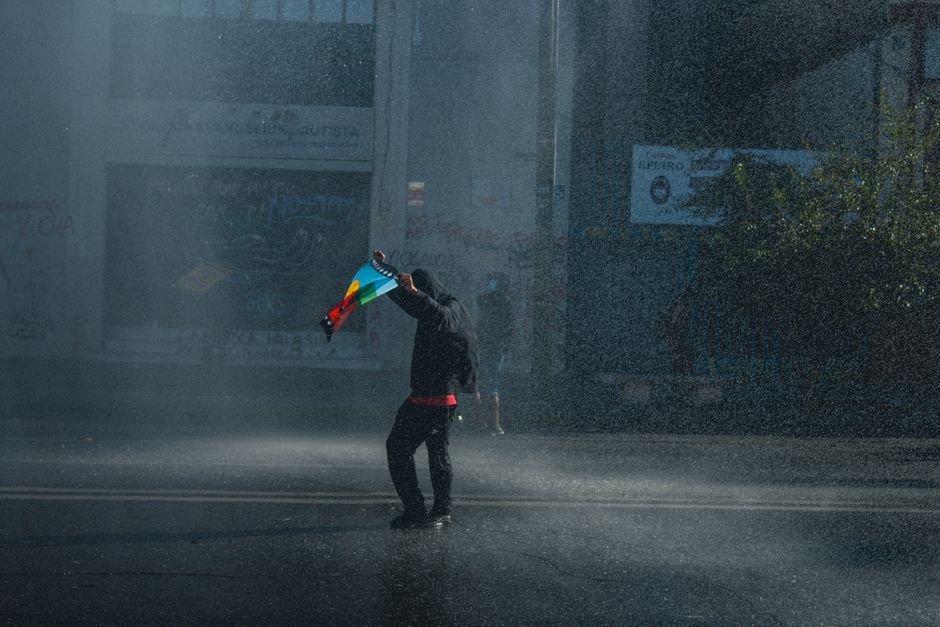
Demonstrations took place in the capital city of Sofia and across numerous other major urban centers. Participants gathered in cities including Varna, Plovdiv, Burgas, and Ruse to voice their opposition to the government's financial strategy. These events are considered some of the largest public demonstrations in Bulgaria in recent decades.
The withdrawal also includes related draft laws concerning the budgets of the National Health Insurance Fund and the State Social Insurance. By removing these documents from parliamentary consideration, the government aims to halt the current legislative process entirely. Officials stated that this move is intended to create space for new consultations and a more broadly acceptable financial plan.
Academician Nikolai Denkov, a prominent figure from the opposition WCC-DB party, addressed the situation following the government's announcement. He emphasized that the public had demanded the resignation of the current administration during the protests. Denkov noted that the opposition feels a strong obligation to respond to these calls for accountability.
While the protests initially focused on specific concerns regarding the budget, they have since expanded into broader demands for government action. Many participants expressed frustration with the state's allocation priorities and the perceived impact of fiscal policies on the private sector. The movement has highlighted deep-seated tensions between the public and the current leadership.
Finance Minister Temenuzhka Petkova has already begun scheduling discussions with labor unions and employer organizations. These meetings are intended to help the government adjust its approach for the coming year. The goal is to develop a revised budget that addresses the concerns raised by various sectors of society.
Despite the withdrawal of the budget, some political groups continue to push for more significant changes. WCC-DB has insisted on a full resignation of the government rather than simple amendments to the financial plan. This ongoing pressure suggests that the political environment in Bulgaria remains highly volatile.
Separately, some protesters have accused the country's leadership of maintaining pro-Kremlin policies. Demonstrators gathered outside the Presidency to demand the resignation of Prime Minister Rumen Radev and President Iliana Yotova. These accusations have added another layer of complexity to the existing public unrest.
The government's swift decision to withdraw the draft is viewed by many as a direct response to the intensity of the public pressure. By taking this step, the administration hopes to calm the current unrest and stabilize the political situation. The National Assembly is expected to formally accept the withdrawal, which will officially clear the way for a new budget procedure.
Moving forward, the government faces the difficult task of drafting a new financial plan that satisfies both the public and the necessary economic requirements. The success of these future negotiations will likely determine the stability of the current administration. Observers are watching closely to see how the government balances these competing demands in the coming weeks.
You've reached your free article limit
You've read 10 of 10 free articles this month. Subscribe to Planet Earth News Network for unlimited access to neutral, global journalism — plus puzzles, podcasts, and the weekly newsletter.
Already a subscriber? Sign in.
Ask the Author
Subscribers can ask the journalist a question about this story. Subscribe to ask.
Neutrality note
Auto-harvested from global news wires and presented neutrally by PENN.
to vote
Comments
No comments yet — be the first to share your thoughts.