
Catalonia Implements Strict Water Restrictions Amid Historic Winter Drought
Regional authorities in Spain have introduced emergency measures to manage water supplies as record-low rainfall impacts the Mediterranean coast.
PENN Explainer
Hear this story explained in 90 seconds.
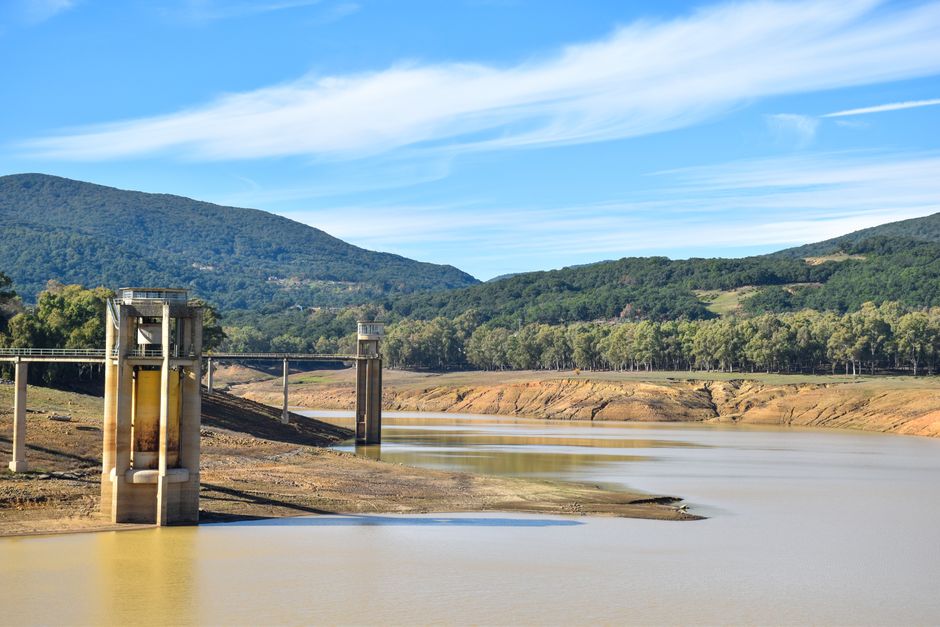
The regional government of Catalonia has officially implemented severe water consumption restrictions following a period of historic winter drought. These measures come as reservoirs across the region have reached critically low levels due to a lack of consistent rainfall. Officials are now prioritizing essential services while limiting non-essential water usage for residents and businesses alike. This situation marks one of the most significant water management challenges the region has faced in recent years.
The drought has been exacerbated by unusually dry conditions that have persisted throughout the winter months. Meteorological data indicates that precipitation levels have remained well below the historical average for this time of year. This lack of moisture has prevented the typical replenishment of water storage facilities that usually occurs during the cooler season. Experts are closely monitoring the situation to determine the long-term impact on local water security.
Under the new regulations, residents are required to reduce their daily water consumption to help preserve remaining supplies. The restrictions include bans on filling private swimming pools and using water for decorative fountains or garden irrigation. Local authorities have also requested that industrial and agricultural sectors optimize their water usage to prevent further depletion of the reservoirs. These steps are intended to ensure that drinking water remains available for the entire population.
Agricultural producers in the region are particularly concerned about the potential impact on crop yields for the upcoming season. Many farmers rely on irrigation systems that are now facing strict limitations due to the emergency status of the water supply. The reduction in available water could lead to significant challenges for the production of local staples and animal feed. Organizations are currently exploring alternative methods to maintain crop health under these dry conditions.
Regional leaders have emphasized that these measures are necessary to avoid more drastic actions in the future. The government is coordinating with local municipalities to ensure that the restrictions are applied consistently across all affected areas. Public awareness campaigns have been launched to inform citizens about the importance of water conservation during this period. Officials are also evaluating potential infrastructure improvements to better manage water resources in the face of changing climate patterns.
Environmental scientists are studying the drought to understand how it fits into broader regional climate trends. While year-to-year variability is common in the Mediterranean, the intensity of this current event has drawn significant attention from the scientific community. Researchers are analyzing historical data to compare this winter with previous dry spells in the region. This analysis is expected to inform future policy decisions regarding water management and drought preparedness.
Economic analysts are also assessing the potential financial consequences of the water crisis for the local economy. Industries that depend heavily on water, such as tourism and manufacturing, may face operational hurdles if the drought continues into the spring. Business associations are working with the government to identify ways to mitigate these risks while adhering to the new regulations. The focus remains on balancing economic activity with the urgent need for resource conservation.
Emergency response teams are on standby to address any critical shortages that may arise in smaller communities. These teams are prepared to deploy water tankers if local supplies fall below safe levels for human consumption. The government has established a dedicated task force to oversee the distribution of water and monitor the effectiveness of the current restrictions. This coordinated effort aims to provide a safety net for the most vulnerable areas.
International observers are watching the situation in Catalonia as a case study for water management in arid regions. Many parts of Europe have experienced similar challenges with heat and drought, leading to a broader discussion about sustainable water use. The lessons learned from this crisis may influence how other regions approach their own water security strategies. Cooperation between neighboring regions is also being discussed to share resources if the situation worsens.
Looking ahead, the effectiveness of these restrictions will depend largely on the weather patterns in the coming months. Meteorologists are providing regular updates on the probability of spring rainfall, which could provide much-needed relief to the reservoirs. If the dry conditions persist, authorities may need to consider additional measures to further reduce consumption. The primary goal remains to navigate the current crisis while planning for a more resilient future.
You've reached your free article limit
You've read 10 of 10 free articles this month. Subscribe to Planet Earth News Network for unlimited access to neutral, global journalism — plus puzzles, podcasts, and the weekly newsletter.
Already a subscriber? Sign in.
Ask the Author
Subscribers can ask the journalist a question about this story. Subscribe to ask.
Neutrality note
Auto-harvested from global news wires and presented neutrally by PENN.
to vote
Comments
No comments yet — be the first to share your thoughts.
Related stories in Weather & Climate

World Meteorological Organization Reports Record-Breaking Climate Extremes in 2026
2026-11-14
Global Climate Observing System Faces Critical Funding Shortfalls Amid Record Heat
2026-11-14