
Catholic Church Leaders Discuss Future of Synodal Process and Global Evangelization
Bishops and clergy worldwide evaluate the ongoing synodal journey while Pope Leo XIV continues his pastoral visits in South America.

PENN Explainer
Hear this story explained in 90 seconds.
The Catholic Church is currently navigating a significant period of internal reflection and structural evaluation as it moves forward with its global synodal process. This multi-year initiative, which began in 2021, aims to foster greater participation, dialogue, and missionary commitment across dioceses worldwide. Church leaders are now focusing on how to effectively implement the findings of the synodal assembly into the daily life of local parishes.
In Canada, religious leaders are emphasizing the importance of diocesan-wide gatherings to strengthen unity among the faithful. Father Pierre Ducharme, the Minister Provincial for the Franciscan Province of the Holy Spirit in Canada, noted that these gatherings provide a necessary space for leaders to communicate and listen to the concerns of their communities. Such initiatives are intended to prevent the dehumanization that can occur when communication breaks down within large institutions.
Meanwhile, Pope Leo XIV has been conducting a series of pastoral visits across South America, focusing on themes of social unity and the preservation of faith. During his recent travels to Argentina and Uruguay, the Pope met with local bishops to discuss the challenges of evangelization in increasingly secular societies. He encouraged the clergy to prioritize the dignity of every person and to remain committed to the needs of the poor and marginalized.
In Argentina, Pope Leo XIV highlighted the importance of maintaining communion within the Church while addressing the social and economic difficulties faced by the population. He urged bishops to work together to support families and foster new religious vocations. The Pope also emphasized that the Church must remain a source of hope and spiritual guidance in a world that often prioritizes material gain over human well-being.
Despite the broad support for the synodal process, some high-ranking members of the clergy have expressed reservations about its direction. Cardinal Joseph Zen, the bishop emeritus of Hong Kong, recently called for a re-evaluation of the synod's objectives. He raised concerns regarding the potential for the process to be used to alter traditional Church teachings on sensitive social and theological issues.
These differing perspectives reflect the ongoing debate within the Church regarding how to balance tradition with the need for modern pastoral approaches. Supporters of the synod argue that it is a vital tool for listening to the diverse voices of the global Catholic community. Critics, however, maintain that the focus should remain strictly on established doctrine and the preservation of historical practices.
In India, the Syro-Malabar Church has been working to resolve internal liturgical disputes that have impacted the administration of major cathedrals. The Apostolic Signatura, the supreme judicial authority of the Catholic Church, recently issued a ruling that aims to facilitate a return to normal operations at St. Mary's Cathedral Basilica in Ernakulam. This development is seen as a step toward restoring stability and canonical order within the archdiocese.
As the implementation phase of the synodal process continues, bishops around the world are preparing for evaluation assemblies in their respective jurisdictions. These meetings will assess how various initiatives align with the final documents produced by the synodal assembly. The goal is to ensure that the process leads to concrete, applicable resources for parishes and dioceses.
Beyond internal governance, the Church is also addressing its role in the digital age and its response to global social challenges. Religious leaders are increasingly discussing how to protect the vulnerable, including displaced children, and how to promote an economy that values human dignity. These efforts are part of a broader mission to apply faith-based principles to contemporary geopolitical and social issues.
Looking ahead, the Church is planning for an Ecclesial Assembly to be held in October 2028 at Vatican City. This event will serve as a milestone in the ongoing journey of the synodal process. Until then, local dioceses are expected to continue their efforts to strengthen community engagement and deepen the spiritual life of their members.
You've reached your free article limit
You've read 10 of 10 free articles this month. Subscribe to Planet Earth News Network for unlimited access to neutral, global journalism — plus puzzles, podcasts, and the weekly newsletter.
Already a subscriber? Sign in.
Ask the Author
Subscribers can ask the journalist a question about this story. Subscribe to ask.
Neutrality note
Auto-harvested from global news wires and presented neutrally by PENN.
to vote
Comments
No comments yet — be the first to share your thoughts.
Related stories in Religion & Belief
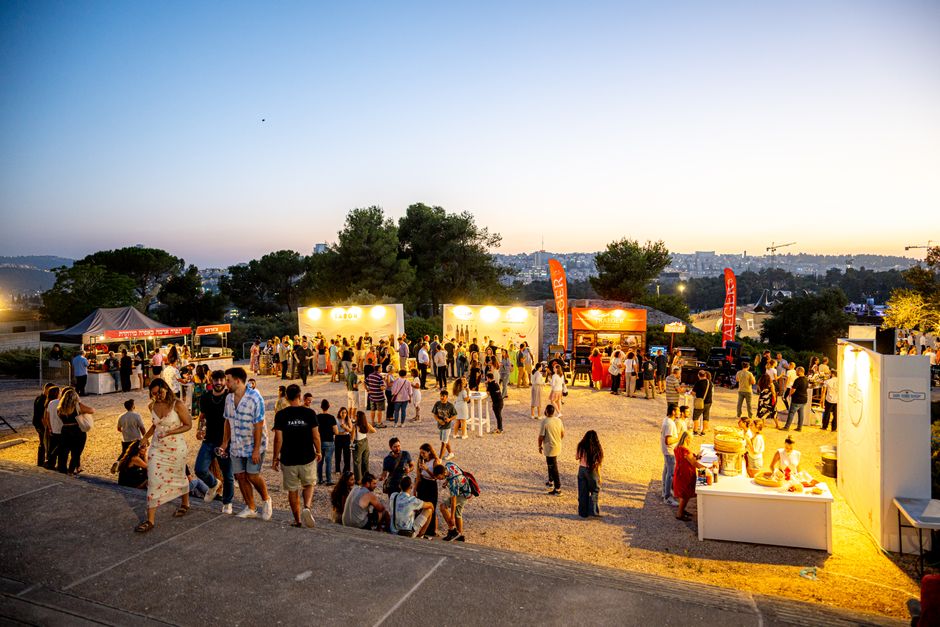
Young Catholics in the Holy Land Gather for Annual Unity Festival
2026-11-14
Western Australian Government Proposes Legislation to End Discrimination in Religious Schools
2026-11-14