Central Banks Drive Global Gold Demand in Third Quarter
Official institutions increase gold reserves as portfolio diversification and risk management remain primary drivers.
PENN Explainer
Hear this story explained in 90 seconds.
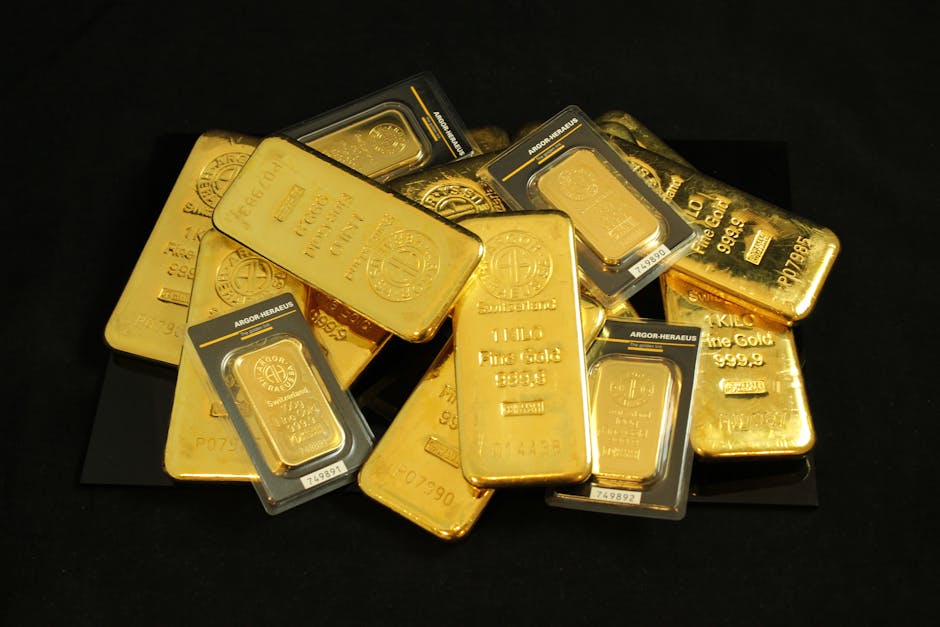
Global gold demand reached 1,369 tonnes in the third quarter of 2026, according to the latest Gold Demand Trends report from the World Gold Council. While total demand was slightly lower by 1% compared to the same period last year, the total value of this demand rose by 22% to reach 188 billion US dollars. This shift reflects a period where gold prices averaged 4,262 US dollars per ounce.
Central banks and other official institutions emerged as a major force in the market during this period. These entities added a net 321 tonnes of gold to their reserves, marking a 42% increase year-on-year. This represents the highest quarterly total for official sector buying since the fourth quarter of 2024.
Louise Street, a senior markets analyst at the World Gold Council, described the third quarter as a mixed bag for the precious metal. She noted that while certain sectors saw declines, the strategic interest from central banks provided significant stability. Portfolio diversification and risk management remain the primary drivers for these institutional purchases.
Physically backed gold exchange-traded funds also saw a notable reversal in the third quarter. After experiencing outflows in the second quarter, these funds added 211 tonnes of gold. This return to inflows helped push total holdings to a record 4,256 tonnes, signaling renewed interest from investors concerned about fiscal sustainability.
In contrast, individual consumer demand for gold bars and coins dropped by 19% year-on-year to 268 tonnes. Many individual investors remained on the sidelines during the quarter, waiting for a clearer direction on price trends. China stood out as a notable exception, with demand for bars and coins rising by 7% compared to the previous year.
Jewellery demand faced continued pressure from high prices, falling 17% to 313 tonnes. This marked the weakest third quarter for jewellery consumption in the data series maintained by the World Gold Council. Consumers increasingly opted for lighter and lower-carat pieces to manage the impact of elevated costs.
Technology demand for gold rose by 3% to 85 tonnes, reaching its highest quarterly total since late 2021. This growth was largely supported by manufacturing needs related to artificial intelligence. Electronics demand specifically grew by 5% to 72 tonnes during the quarter.
On the supply side, total gold production was 1% lower year-on-year. Mine production reached a third-quarter record of 1,071 tonnes, reflecting a 3% increase. However, recycling volumes fell by 8% to 314 tonnes, which is the lowest level seen since the fourth quarter of 2023.
Looking ahead, analysts expect investment demand to remain the principal source of annual growth for the remainder of 2026. While higher policy rates and bond yields could create competing pressures, fiscal concerns and geopolitical risks are expected to provide ongoing support for gold. The World Gold Council has raised its outlook for central bank buying, expecting it to at least match the levels seen in 2025.
Market participants continue to monitor how these competing macro forces will shape the final quarter of the year. While jewellery volumes are expected to remain moderate due to high prices, the strategic accumulation of gold by central banks is likely to persist. This trend underscores the role of gold as a tool for long-term reserve management in an uncertain global economic environment.
You've reached your free article limit
You've read 10 of 10 free articles this month. Subscribe to Planet Earth News Network for unlimited access to neutral, global journalism — plus puzzles, podcasts, and the weekly newsletter.
Already a subscriber? Sign in.
Ask the Author
Subscribers can ask the journalist a question about this story. Subscribe to ask.
Neutrality note
Auto-harvested from global news wires and presented neutrally by PENN.
to vote
Comments
No comments yet — be the first to share your thoughts.
Related stories in Markets & Economy

United Kingdom Inflation Reaches 11-Month High Amid Rising Energy Costs
2026-11-13
China's Yuan Hits Two-Week Low Following Central Bank Reserve Requirement Adjustment
2026-11-12