Chefchaouen, Morocco
The Blue Pearl of the Rif Mountains
PENN Explainer
Hear this story explained in 90 seconds.
Chefchaouen, Morocco
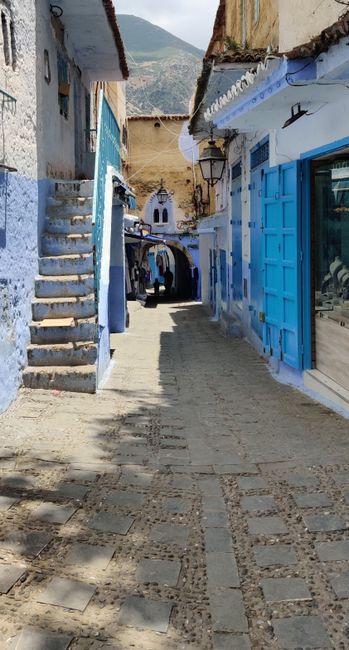
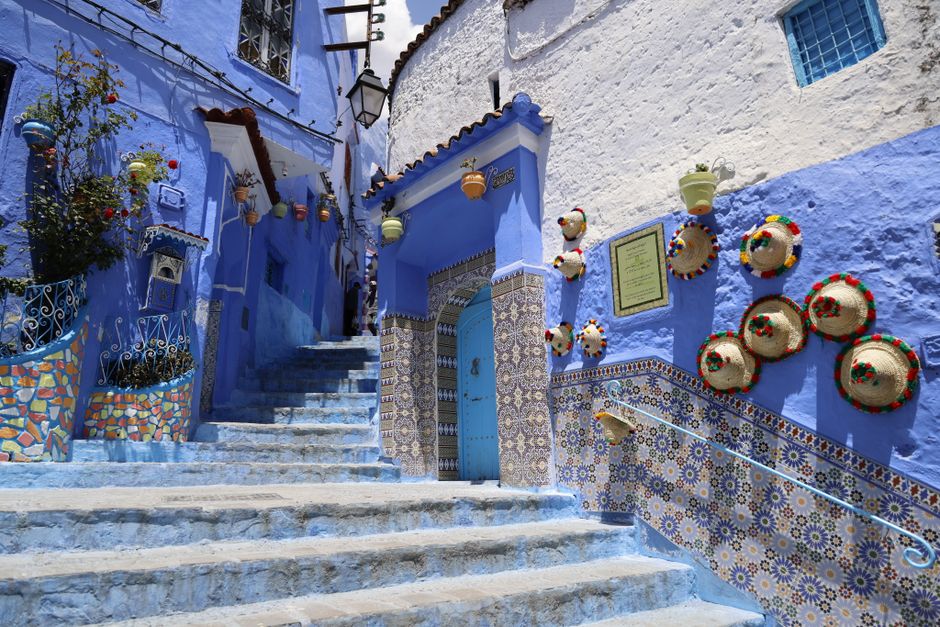
Nestled high in the rugged Rif Mountains of northwest Morocco, Chefchaouen is a captivating city renowned for its striking blue-washed medina and rich Andalusian-influenced history. Founded in 1471 as a fortress to resist Portuguese invasions, this "Blue Pearl" has evolved from a secluded mountain refuge into a vibrant cultural destination that enchants visitors with its labyrinthine alleyways and serene atmosphere.
- The city was founded in 1471 by Moulay Ali ibn Rashid al-Alami, a descendant of the Prophet Muhammad, to serve as a strategic fortress against Portuguese and Spanish encroachment in the region.
- The name "Chefchaouen" is derived from the Berber language and translates to "two horns," a direct reference to the twin mountain peaks that loom over the valley where the town is situated.
- For centuries, the city remained largely closed to non-Muslims, which helped preserve its unique architectural character and traditional way of life until it was occupied by Spanish forces in 1920.
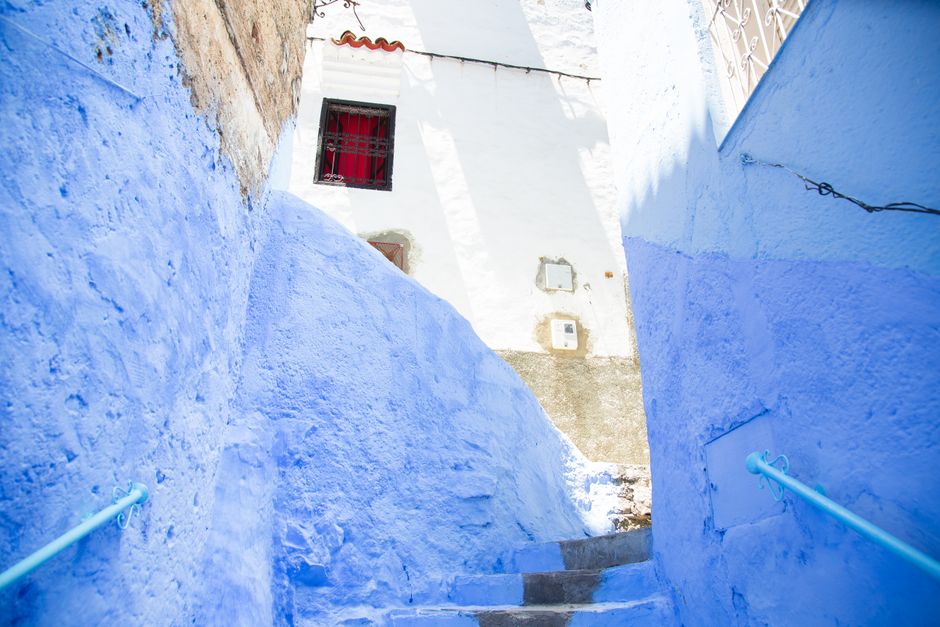
- The iconic blue-washed walls of the medina are a subject of much fascination, with various theories suggesting they were painted to repel mosquitoes, keep homes cool, or symbolize the life-sustaining mountain water.
- Architecturally, the city reflects a strong Andalusian influence, as it became a primary refuge for Moors and Jews expelled from Spain during the Reconquista, who brought their distinct building styles with them.
- The local economy is deeply rooted in traditional craftsmanship, with hundreds of artisans specializing in leatherwork, textiles, ironwork, and intricate carpentry that remains highly sought after by visitors.
- Chefchaouen is a significant hub for the production of traditional Moroccan clothing and modern artisanal goods, with women-led cooperatives playing a vital role in preserving ancient weaving techniques.
- The city is situated at an elevation of approximately 660 meters, providing a unique climate that supports lush flora, including cork oaks and diverse mountain vegetation that contrasts with the arid surroundings.
- Agriculture, particularly the cultivation of cannabis, known locally as "kif," has historically been a major part of the regional economy due to the specific climate of the Rif Mountains.
- Tourism has become a cornerstone of the modern economy, with the city's "Instagrammable" aesthetic drawing travelers from around the globe to explore its historic Kasbah, the Grand Mosque, and the vibrant Uta al-Hamman Square.
Photo Gallery
Ask the Author
Subscribers can ask the journalist a question about this story. Subscribe to ask.
Заметка о нейтральности
Community of the Day feature by PENN editorial.
to vote
Comments
No comments yet — be the first to share your thoughts.
Author
Planet Earth News Daily Features DeskSenior Editor, Planet Earth News Network
View all articles by Desk →