Chile Faces Ongoing Wildfire Emergency Following Intense Summer Heat
Authorities coordinate large-scale response as extreme weather conditions drive rapid fire spread across south-central regions.
PENN Explainer
Hear this story explained in 90 seconds.
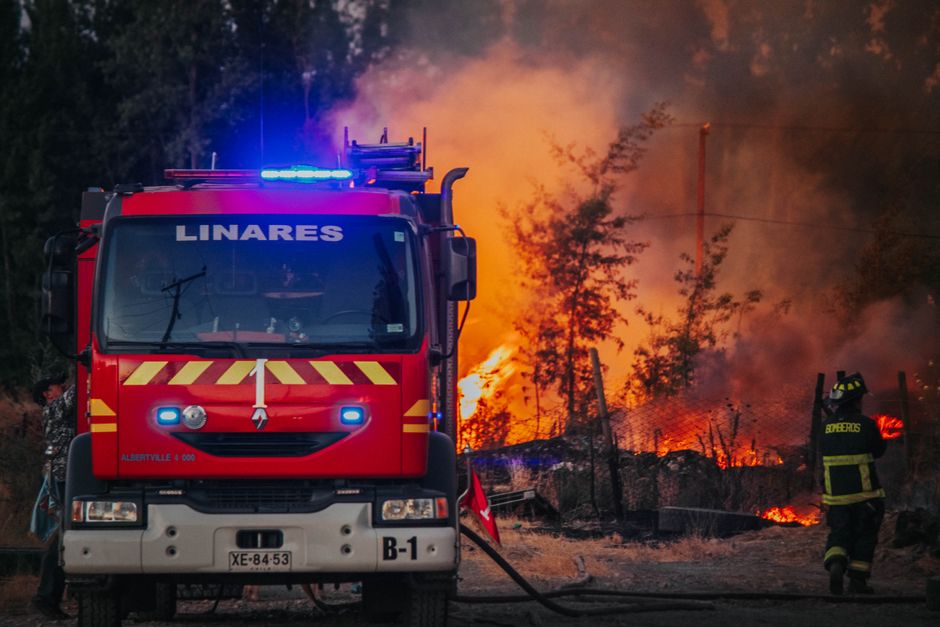
Chile is currently managing a significant wildfire emergency that began in mid-January 2026, impacting the south-central regions of Ñuble and Biobío. The fires have been fueled by a combination of high temperatures exceeding 30 degrees Celsius, low humidity, and strong winds. These conditions have created a highly volatile environment, leading to the rapid expansion of blazes toward populated interface zones.
By late January, the affected area had surpassed 34,000 hectares, with more than 25 active fire outbreaks reported. The situation remains dynamic, requiring constant monitoring by the National Service for Disaster Prevention and Response, known as SENAPRED. This agency is working alongside the National Forestry Corporation and local emergency services to contain the spread.
Local authorities have utilized regional and municipal Red Alerts to mobilize necessary resources and personnel. These alerts allow for the rapid deployment of the Armed Forces and specialized firefighting teams to the most critical areas. The coordination effort is designed to protect both residential infrastructure and natural landscapes from further damage.
One significant factor in the rapid fire growth has been a local wind phenomenon known as the viento puelche. This wind pattern has caused sudden shifts in fire direction, complicating containment efforts for ground crews. These unpredictable gusts have pushed flames toward communities that were previously considered at lower risk.
Data from the International Federation of Red Cross and Red Crescent Societies indicates that nearly 50,000 people were evacuated during the peak of the January emergency. These evacuations were necessary to ensure public safety as fires approached residential neighborhoods. Many families were forced to leave their homes on short notice to avoid the advancing smoke and flames.
Chile has been working to improve its disaster resilience through the implementation of new infrastructure policies. Alicia Cebrián, the National Director of SENAPRED, has emphasized the need for an innovative approach to disaster risk reduction. This strategy includes mandatory risk analysis for new infrastructure projects to better prepare the country for emerging hazards.
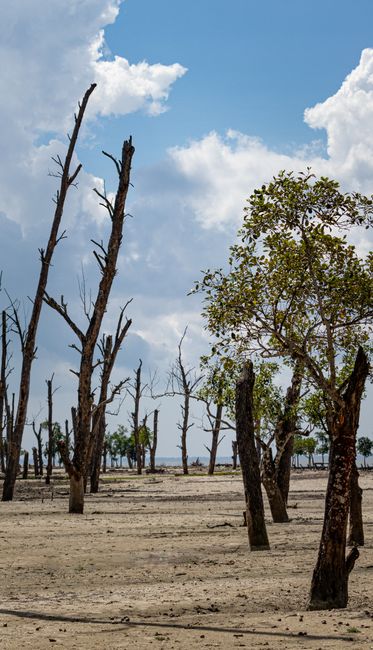
These wildfires occur against a backdrop of long-term environmental challenges in the region. Chile has experienced a multi-year drought that has strained freshwater reserves and left vegetation dry and highly flammable. This lack of moisture prevents soil regeneration and increases the susceptibility of the landscape to ignition.
Climate experts note that the duration of fire seasons globally has lengthened by nearly 20 percent in recent years. In Chile, the summer season typically runs from November to March, but the intensity of these events has become a growing concern for policymakers. The combination of climate change and cyclical weather patterns continues to influence the frequency of these disasters.
Community organizations have also taken an active role in disaster preparedness and recovery. In areas like Canal Chacao, residents have formed associations to manage vegetation and improve local safety measures. These community-led initiatives are seen as a vital complement to government-led emergency response efforts.
As the summer season progresses, authorities remain on high alert for new fire outbreaks. The government continues to coordinate with international partners to share resources and expertise in wildfire management. Future efforts will focus on balancing immediate disaster response with long-term strategies for landscape management and climate adaptation.
You've reached your free article limit
You've read 10 of 10 free articles this month. Subscribe to Planet Earth News Network for unlimited access to neutral, global journalism — plus puzzles, podcasts, and the weekly newsletter.
Already a subscriber? Sign in.
Ask the Author
Subscribers can ask the journalist a question about this story. Subscribe to ask.
Neutrality note
Auto-harvested from global news wires and presented neutrally by PENN.
to vote
Comments
No comments yet — be the first to share your thoughts.
Related stories in Weather & Climate

Texas Legislature Proposes New Oversight for Wildfire Response Following 2024 Disasters
2026-11-09
Renewable Energy Sector Faces Rising Financial Risks from Extreme Weather
2026-11-09