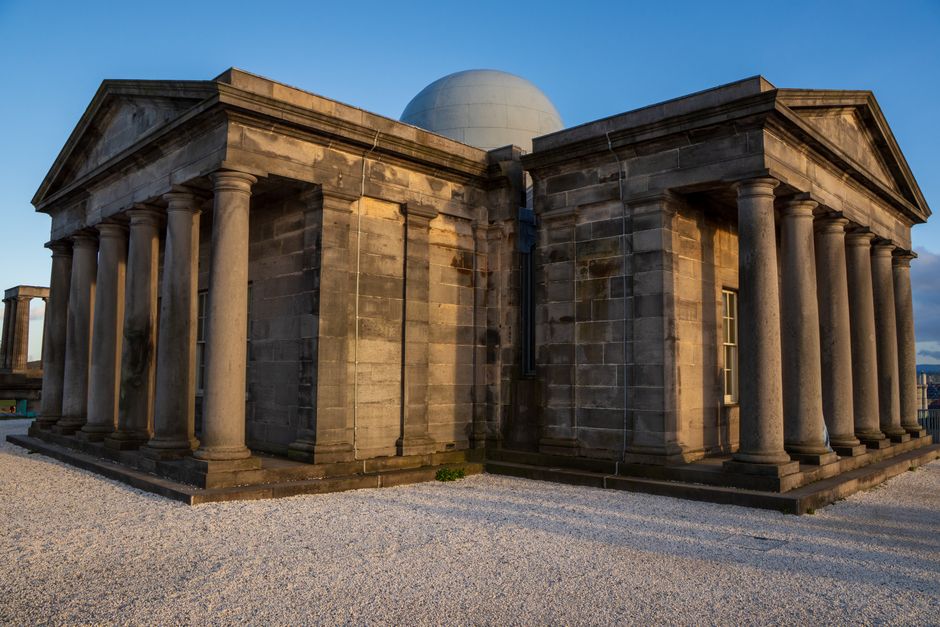
Chile Reopens Historic Casa Mouat Following Comprehensive Conservation Effort
The landmark Valparaíso site, home to the second-oldest astronomical observatory in the Americas, completes a major preservation project.
PENN Explainer
Hear this story explained in 90 seconds.
Cultural authorities in Chile have formally reopened Casa Mouat, a significant historic landmark located in the coastal port city of Valparaíso. The structure has completed an extensive conservation initiative aimed at preserving its architectural heritage and historical importance. Casa Mouat is widely recognized for having housed the second-oldest astronomical observatory in the Americas, marking it as a key site in regional scientific and cultural development.
The restoration was financed and overseen by Chile's National Service for Cultural Heritage through a dedicated public investment reaching approximately one million dollars. Over several phases of construction, specialized teams focused on structural reinforcement, restoring historical woodwork, and securing the building against seismic and environmental wear. Valparaíso's seaside climate and hilly terrain have historically posed unique maintenance challenges for the city's historic timber and masonry structures.
Casa Mouat originally served as the home and workstation of Scottish watchmaker and inventor John Mouat, who established the observatory in the nineteenth century. Mouat installed specialized instruments to assist maritime navigators who rounded Cape Horn, offering accurate timekeeping services vital for commercial ships docking in the Pacific port. His work helped place Valparaíso on the international map of maritime navigation and early scientific inquiry.
The project included detailed architectural research to ensure that modern preservation techniques remained faithful to the building’s original nineteenth-century design. Conservators preserved authentic finishes, restored historic window frames, and stabilized fragile foundations without altering the historical character of the property. The building now features updated electrical, lighting, and safety systems designed to accommodate public visitors, scholars, and educational groups.
Valparaíso, recognized as a UNESCO World Heritage site since 2003, contains hundreds of historic buildings that reflect late nineteenth-century urban planning and immigrant architecture. Heritage advocates have noted that maintaining such sites requires sustained public support and technical collaboration across municipal and national bodies. The completion of Casa Mouat represents a concrete milestone within the broader national strategy to protect vulnerable coastal monuments.
Museum and heritage officials plan to utilize the reopened space for educational programming, historical research, and cultural exhibitions that showcase both early astronomy and local maritime history. Curators are preparing permanent informational displays highlighting nineteenth-century navigation instruments and the role of international scientific exchange in Chile’s development. The programming will aim to engage local schools, university researchers, and travelers visiting the historic neighborhood.
Local neighborhood leaders and cultural organizations have welcomed the reopening as a positive step for community revitalization on the surrounding hills. Valparaíso has experienced periodic challenges regarding infrastructure maintenance and heritage conservation, making the successful completion of the restoration a notable civic achievement. Residents emphasized the importance of ensuring that restored heritage properties remain accessible to the surrounding public rather than existing solely as administrative monuments.
The National Service for Cultural Heritage stated that regular public tours and educational workshops will begin operating in the coming weeks. Municipal leaders noted that integrating scientific history into the city’s broader cultural tourism offerings helps diversify the educational opportunities available to visitors. Casa Mouat joins a network of restored historic buildings in Valparaíso that highlight the city's multifaceted role as a historical center of Pacific trade, science, and cross-cultural migration.
Ask the Author
Subscribers can ask the journalist a question about this story. Subscribe to ask.
तटस्थता टिप्पणी
Auto-harvested from global news wires and presented neutrally by PENN.
to vote
Comments
No comments yet — be the first to share your thoughts.
Related stories in Art and Culture

National Gallery of Art Partners with Google Arts & Culture to Expand Digital Access
2026-09-26
Finster Fest Returns to Paradise Garden with Over 70 Artists
2026-09-26