
Colombia Faces Massive Recovery Effort Following Devastating 7.4 Magnitude Earthquake
President Abelardo de la Espriella estimates economic losses at $9.6 billion as the nation mourns hundreds of lives lost in the disaster.
PENN Explainer
Hear this story explained in 90 seconds.
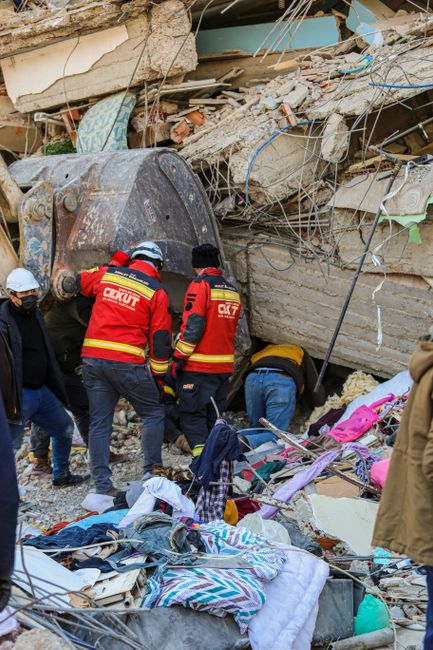
The nation of Colombia is currently grappling with the aftermath of a powerful 7.4 magnitude earthquake that struck the country last week. The seismic event caused widespread destruction, particularly in the cities of Cali and Pereira, which were identified as the most severely impacted areas. Emergency responders have been working around the clock to clear debris and search for survivors amidst the ruins of collapsed buildings. The scale of the damage has presented a significant challenge to local and national authorities as they coordinate relief efforts.
President Abelardo de la Espriella recently provided a grim update on the human toll of the disaster. Official reports indicate that approximately 290 people have lost their lives, while nearly 4,000 individuals have sustained injuries. Additionally, authorities are still searching for 140 people who remain missing following the tremors. The government has mobilized resources to provide medical care, food, and temporary shelter to the thousands of citizens displaced by the quake.
The economic impact of the earthquake is expected to be profound and long-lasting for the Colombian economy. President de la Espriella estimated that the total financial losses resulting from the destruction of infrastructure and businesses have reached 30 trillion pesos, or approximately $9.6 billion. This figure highlights the immense burden placed on the national budget as the country attempts to rebuild critical infrastructure. Experts suggest that the recovery process will require significant international cooperation and sustained domestic investment.
In the wake of the tragedy, communities across Colombia have come together to support those affected by the disaster. Local volunteers and international aid organizations have arrived in the hardest-hit regions to assist with the ongoing search and rescue operations. Despite the fading hopes of finding more survivors, the commitment to clearing the rubble remains a top priority for the government. The resilience of the local population has been noted by observers as a vital component of the initial response phase.
This earthquake serves as a stark reminder of the vulnerability of urban centers to natural disasters in the region. As the government begins to assess the structural integrity of remaining buildings, discussions regarding improved disaster preparedness and building codes are expected to gain momentum. The administration is currently focused on stabilizing the affected regions before transitioning to long-term reconstruction plans. The international community has expressed its condolences and offered various forms of humanitarian assistance to support the recovery.
As the nation mourns the loss of its citizens, the focus remains on providing essential services to those who have lost their homes and livelihoods. The government has pledged to ensure that aid reaches the most vulnerable populations as quickly as possible. Coordination between regional authorities and the central government is being closely monitored to ensure transparency and efficiency in the distribution of resources. The coming weeks will be critical as the country moves from the emergency response phase to the initial stages of rebuilding.
Economic analysts are closely watching how this disaster will influence Colombia's broader financial stability in the coming months. With significant infrastructure damage, the government may need to reallocate funds from other sectors to support the reconstruction of roads, schools, and hospitals. The impact on local industries, particularly in the manufacturing and agricultural sectors, is also being evaluated by economic experts. Maintaining economic stability while addressing the humanitarian crisis will be a delicate balancing act for the administration.
Public safety and the protection of citizens remain the primary focus for President de la Espriella as he oversees the national response. The government has emphasized the importance of maintaining order and ensuring that aid is delivered without disruption. Security forces have been deployed to assist in the logistics of relief operations and to protect affected areas from potential looting or instability. The government's ability to manage this crisis effectively will likely be a defining moment for the current administration.
International partners have begun to pledge support, with several nations offering technical expertise and financial aid to assist in the recovery. The United Nations and other global humanitarian groups are coordinating with the Colombian government to ensure that aid efforts are aligned with the most urgent needs on the ground. This collaborative approach is intended to streamline the delivery of supplies and medical equipment to the regions that need them most. The global response highlights the interconnected nature of disaster management in the modern era.
As the search for the missing continues, the nation remains in a state of mourning for those who perished in the earthquake. Memorial services and community gatherings have been held to honor the victims and provide comfort to grieving families. The strength shown by the Colombian people during this difficult time has been a source of national unity. The path to recovery will be long, but the focus remains on rebuilding a safer and more resilient future for all citizens.
Ask the Author
Subscribers can ask the journalist a question about this story. Subscribe to ask.
Nota di neutralità
Auto-harvested from global news wires and presented neutrally by PENN.
to vote
Comments
No comments yet — be the first to share your thoughts.
Related stories in World/International

Global Trade Faces Historic Disruption as Strait of Hormuz Bottlenecks Intensify
2026-09-25
Turkey Announces Gradual Withdrawal of Troops and Handover of Key Base in Iraq
2026-09-25