Community of the Day: Alexandria, Egypt
Discover the storied history, dynamic economy, and enduring coastal spirit of Egypt's legendary Mediterranean pearl.
Hear this story explained in 90 seconds.
Alexandria, Egypt
Founded along the Mediterranean coast at the northwestern edge of the Nile Delta, Alexandria has reigned as an iconic crossroads of global trade, scholarly achievement, and cultural synthesis for well over two millennia. Today, Egypt's second-largest city and foremost seaport combines ancient historical grandeur with vibrant modern commerce, sweeping seafront boulevards, and rich cultural institutions.
- Foundation by Alexander the Great: The city was founded in 332 BCE by Alexander the Great and laid out by his royal architect, Dinocrates, on a strategic strip of land facing the Mediterranean. It swiftly evolved from a modest fishing settlement into the thriving Hellenistic capital of Ptolemaic Egypt. For nearly a millennium, until the Arab conquest in 642 CE, the metropolis served as the political, administrative, and economic heart of the country.
- The Legendary Pharos Lighthouse: Ancient Alexandria was home to the Lighthouse of Alexandria (the Pharos), celebrated widely as one of the Seven Wonders of the Ancient World. Built on the nearby island of Pharos—later connected to the mainland via a massive causeway known as the Heptastadion—this monumental tower stood over 100 meters tall and guided maritime travelers across treacherous waters for centuries. Centuries of earthquakes eventually damaged the structure, leading to the construction of the fifteenth-century Citadel of Qaitbay atop its ruins using original masonry.
- The Great Ancient Library and Scholarly Legacy: Established during the Ptolemaic dynasty, the ancient Library of Alexandria formed part of the Mouseion research institute and aimed to collect the totality of human knowledge. It attracted leading classical minds such as Euclid, Eratosthenes, and Archimedes, serving as an intellectual epicenter for mathematics, astronomy, literature, and medicine. Although tragedy and fires caused its eventual loss in antiquity, its legacy remains synonymous with universal learning.
- Unique Geography Between Sea and Salt Lake: The geography of Alexandria is defined by its long, slender positioning along the Mediterranean Sea, wedged between the open ocean and inland Lake Maryut. Connected to the fertile Nile Delta by historical freshwater canals, the city’s coastal topography provided dual deepwater harbors—the Eastern and Western Harbors. This unusual geographic strip allowed the city to project maritime power outward across the Mediterranean while maintaining vital transport links to upper Egypt.
- Center of Early Christianity and Intellectual Philosophy: During the Roman and Byzantine eras, Alexandria became a paramount crucible for Christian theology, ecclesiastical debate, and Neoplatonic philosophy. It was the see of the historical Patriarchate of Alexandria and home to the famous Catechetical School where thinkers like Clement and Origen taught. The city also fostered notable philosophers such as Hypatia, showcasing an intellectually charged atmosphere where competing philosophies interacted continuously.
- Nineteenth-Century Modern Revival: After enduring a long period of decline following the rise of Cairo, Alexandria experienced a tremendous commercial resurgence in the nineteenth century under the rule of Muhammad Ali Pasha. By digging the Mahmoudiyah Canal to rejoin the city directly with the Nile and establishing Egypt's lucrative cotton trade, he restored Alexandria as a thriving shipping hub. This renaissance stimulated vast urban infrastructure, opulent coastal estates, and rapid modern industrial development.
- A Cosmopolitan and Multicultural Identity: Throughout modern and ancient history, Alexandria developed a distinctly cosmopolitan character that drew together diverse communities of Greeks, Italians, Levantines, Armenians, and Egyptians. This eclectic cultural milieu inspired generations of international writers, artists, and poets, most famously captured in Constantine Cavafy’s poetry and Lawrence Durrell’s classic quartet of novels. Although community demographics shifted markedly during the twentieth century, the city retains a distinctly cosmopolitan Mediterranean sensibility.
- Egypt's Industrial and Maritime Powerhouse: As the country’s leading commercial port, modern Alexandria handles the vast majority of Egypt's maritime import and export cargo. Outside shipping, the urban governorate represents a vital industrial hub, heavily engaged in cotton textiles, petroleum refining, petrochemical processing, and ship maintenance. Its strategic infrastructure links direct industrial production lines with major worldwide trade channels across Europe, Africa, and Asia.
- Reviving Knowledge at the Bibliotheca Alexandrina: Commemorating its ancient intellectual roots, the city inaugurated the Bibliotheca Alexandrina in 2002 as a major contemporary cultural center and repository of world literature. Designed as an enormous sun-disk tilting toward the Mediterranean, the complex houses shelf space for millions of books, specialized museums, art galleries, and a planetarium. It attracts researchers, artists, and tourists from around the globe, reigniting the city's status as a focal point for international dialogue.
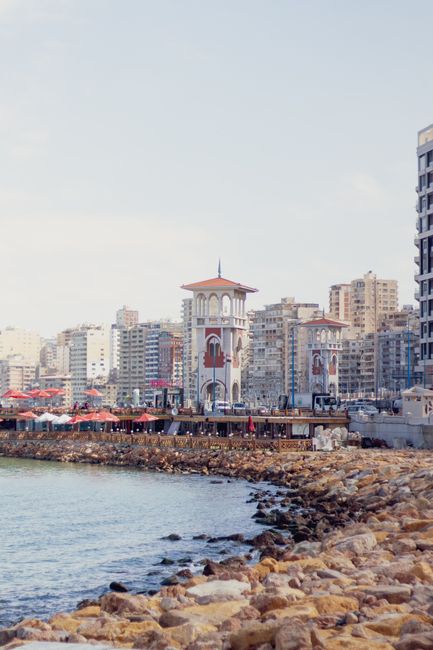
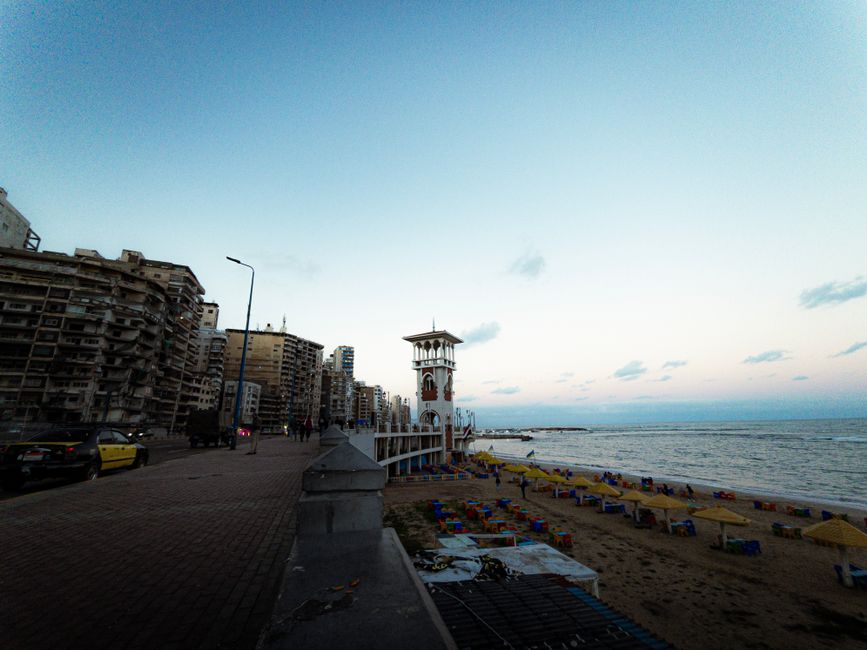
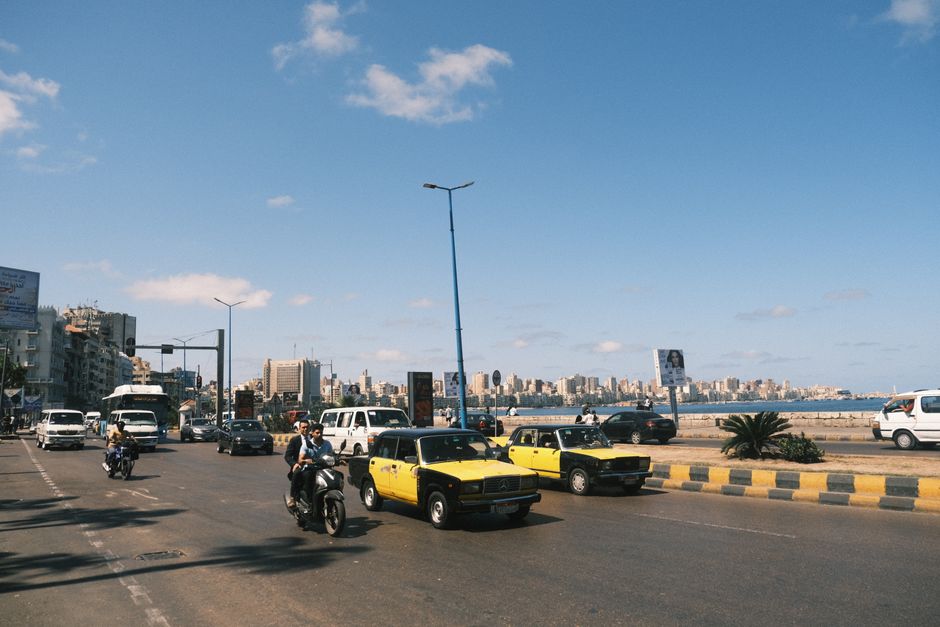
- Vibrant Coastal Culture and the Iconic Corniche: Modern life in Alexandria centers along its magnificent Corniche, a picturesque waterfront promenade that stretches for kilometers along the curved coastline. Residents and visitors flock to waterfront seafood restaurants, traditional open-air cafes, and historic tea houses that reflect the community’s breezy seaside ambiance. The city also hosts major international gatherings, including the celebrated Alexandria Mediterranean Film Festival, cementing its status as an enduring cultural gem.
Photo Gallery
Subscribers can ask the journalist a question about this story. Subscribe to ask.
Community of the Day feature by PENN editorial.
Comments
No comments yet — be the first to share your thoughts.
Senior Editor, Planet Earth News Network
View all articles by Desk →