
Community of the Day: Bahir Dar, Ethiopia
Exploring the lakeside capital of the Amhara region, where ancient monastic history meets modern urban development.

Hear this story explained in 90 seconds.
Bahir Dar, Ethiopia
Bahir Dar is a vibrant city situated on the southern shores of Lake Tana, serving as the administrative capital of the Amhara Region. Known for its picturesque palm-lined avenues and significant historical landmarks, it has evolved from a small monastic settlement into a major hub for tourism and commerce in northern Ethiopia.
- Bahir Dar was historically known as Bahir Giyorgis, which translates to "George-by-the-Water." The settlement originally functioned as a monastery and a small trading hub, maintaining a modest population of between 1,200 and 2,000 people for much of its early history.
- The city is famously located at the source of the Blue Nile, where the river begins its long journey from Lake Tana. Visitors can stand at the waterfront to witness the river emerging from the lake before it travels over 1,400 kilometers toward the Mediterranean.
- Lake Tana, the largest lake in Ethiopia, is a central feature of the region and has been designated as a UNESCO Biosphere Reserve since 2015. The lake is dotted with numerous islands that house ancient Coptic monasteries and churches dating back to the 14th century.
- The Blue Nile Falls, locally known as Tis Abay or "Smoking Water," are one of the most spectacular natural attractions near the city. These massive waterfalls create a dramatic mist that can be seen from a distance, drawing tourists from all over the world.
- In 2002, Bahir Dar received the prestigious UNESCO Cities for Peace Prize. This award recognized the city's successful efforts in managing rapid urbanization while maintaining its cultural heritage and environmental beauty.
- The city is renowned for its unique urban planning, characterized by wide, paved avenues lined with palm trees and colorful flowers. These modern infrastructure upgrades have been part of a broader initiative to improve transport networks and recreational waterfront spaces.
- Bahir Dar serves as a critical administrative and educational center for the Amhara Region. It is home to Bahir Dar University, which plays a significant role in the intellectual and professional development of the local population.
- The local economy is heavily influenced by its proximity to Lake Tana, which supports fishing, agriculture, and a growing tourism sector. Recent urban corridor developments are further expanding the city's capacity to host international visitors and stimulate regional economic growth.
- The climate and geography of the area make it a year-round destination, though it is particularly popular during the dry months. The city's elevation of approximately 1,800 meters provides a pleasant, temperate climate that contrasts with the lower-lying regions of the country.
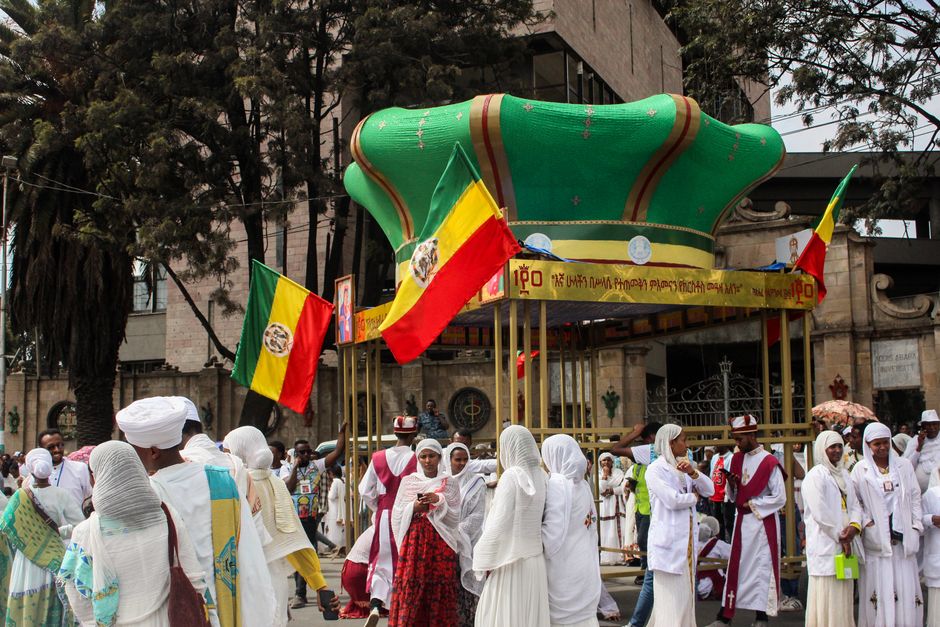
- The culture of Bahir Dar is deeply rooted in Ethiopian Orthodox traditions, which are reflected in the architecture and daily life of the city. Residents take great pride in their local heritage, often sharing stories of the ancient monasteries and the historical significance of the Blue Nile with visitors.
Photo Gallery

You've reached your free article limit
You've read 10 of 10 free articles this month. Subscribe to Planet Earth News Network for unlimited access to neutral, global journalism — plus puzzles, podcasts, and the weekly newsletter.
Already a subscriber? Sign in.
Subscribers can ask the journalist a question about this story. Subscribe to ask.
Community of the Day feature by PENN editorial.
Comments
No comments yet — be the first to share your thoughts.
Senior Editor, Planet Earth News Network
View all articles by Desk →

