Community of the Day: Grand-Bassam, Côte d'Ivoire
A historic coastal gem where colonial heritage meets vibrant Ivorian culture.
PENN Explainer
Hear this story explained in 90 seconds.
Grand-Bassam, Côte d'Ivoire
Grand-Bassam is a historic coastal town in southeastern Côte d'Ivoire, situated on a narrow sandy peninsula between the Atlantic Ocean and the Ébrié Lagoon. Once the French colonial capital, it is now a UNESCO World Heritage site celebrated for its unique blend of colonial architecture and traditional African culture.
- Grand-Bassam served as the first French colonial capital of Côte d'Ivoire starting in 1893. Its strategic location at the mouth of the Comoé River made it a vital hub for trade and administration during the late 19th century.
- The town was forced to relinquish its status as the capital in 1896 following a devastating yellow fever epidemic. This health crisis prompted the French colonial administration to relocate the seat of government elsewhere.
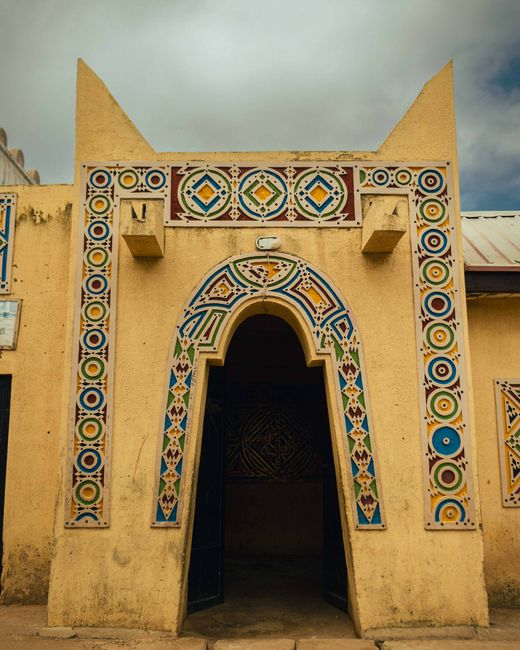
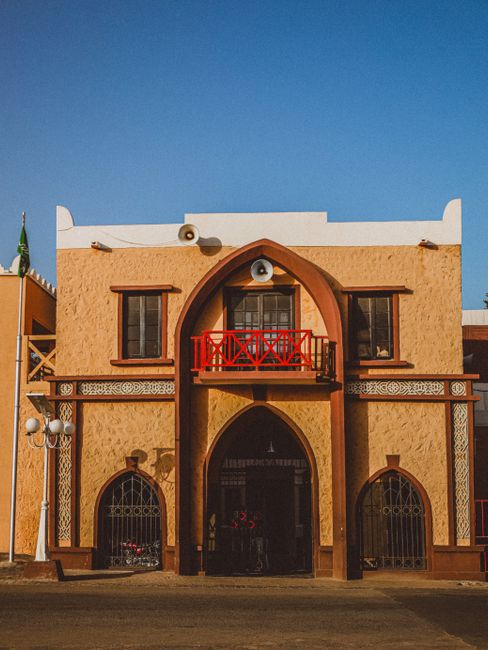
- In 2012, the Historic Town of Grand-Bassam was inscribed as a UNESCO World Heritage site. This recognition highlights its outstanding examples of colonial architecture and its significance as a cultural icon of the era.
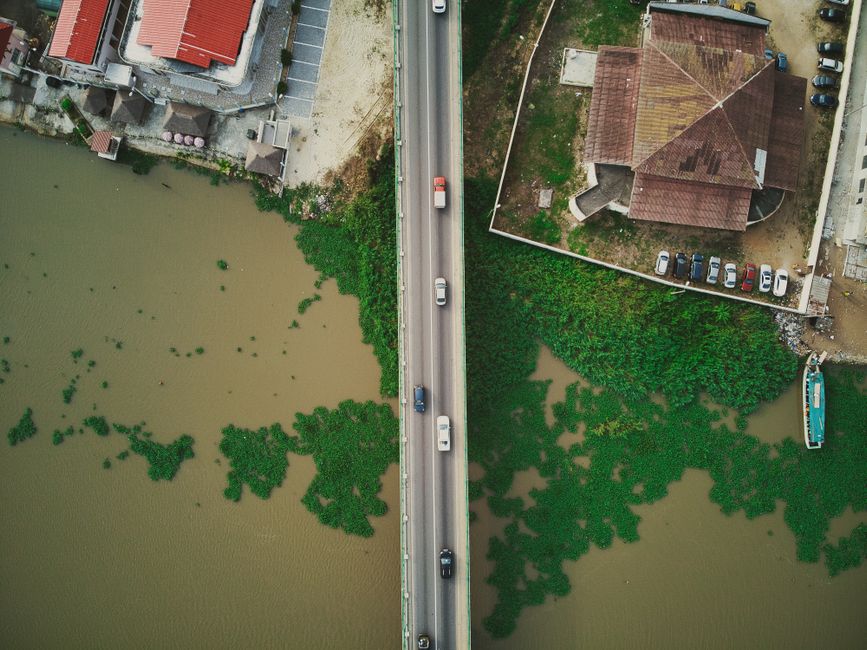
- The town is geographically unique, sitting on a thin strip of land that separates the Atlantic Ocean from the Ébrié Lagoon. This narrow peninsula has shaped the town's development, creating distinct quarters for commerce, administration, and residential life.
- The Nzema people, who inhabit the region, celebrate the annual Abissa festival between October and November. This traditional event marks the new year and serves as a time for reflection, reconciliation, and community celebration through dance and drumming.
- Grand-Bassam has become a center for the "blue economy" in Côte d'Ivoire, focusing on sustainable development of marine and lagoon resources. Recent government workshops in the town have aimed to improve governance of fisheries and aquaculture to support national food security.
- The local economy is deeply connected to both tourism and traditional crafts, such as Adinkra batik and canvas painting. Visitors often participate in workshops to learn these traditional artistic techniques from local artisans.
- The town features a distinct layout that reflects its history, with a clear separation between the colonial-era "Quartier France" and the adjacent African fishing village. This spatial organization provides a tangible look at the social structure of the colonial period.
- Grand-Bassam is a popular destination for those interested in Ivorian history and culinary arts. Local tours often combine visits to historic sites with hands-on cooking classes that showcase traditional Ivorian cuisine.
- Despite its historical challenges, the town remains a vibrant community of nearly 100,000 people. It continues to evolve as a cultural landmark, balancing the preservation of its heritage with modern economic initiatives.
Photo Gallery
Ask the Author
Subscribers can ask the journalist a question about this story. Subscribe to ask.
Neutralitätsvermerk
Community of the Day feature by PENN editorial.
to vote
Comments
No comments yet — be the first to share your thoughts.
Author
Planet Earth News Travel DeskSenior Editor, Planet Earth News Network
View all articles by Desk →