
Community of the Day: Iloilo, Philippines
Discover the Heart of the Philippines, a vibrant hub of heritage, trade, and modern urban innovation.

Hear this story explained in 90 seconds.
Iloilo, Philippines
Iloilo is a prominent province and highly urbanized city located in the center of the Philippine archipelago on Panay Island. Known as the "Heart of the Philippines," it serves as a vital regional center for Western Visayas, blending a rich colonial history with a forward-thinking approach to urban development and cultural preservation.
- Iloilo takes its name from the old term "Irong-Irong," which refers to a tongue of land that sticks out like a nose on the south side of the Iloilo River. This unique geography historically provided a protected port that made the area a center of trade long before the arrival of Spanish colonizers.
- The province has a deep history of international commerce, having traded with merchants from China and India for centuries. This early economic activity established Iloilo as a significant hub in the region, laying the groundwork for its later status as a major commercial center.
- During the height of the sugar industry, Iloilo became so prosperous that it was dubbed the "Queen City of the South." It was recognized as the second most important city in the Philippines after Manila, attracting global business interests to its bustling port.
- Iloilo City is a highly urbanized center that functions as the regional capital of Western Visayas. It is composed of several distinct districts, including Jaro, Molo, and Mandurriao, each contributing to the city's diverse cultural and historical identity.
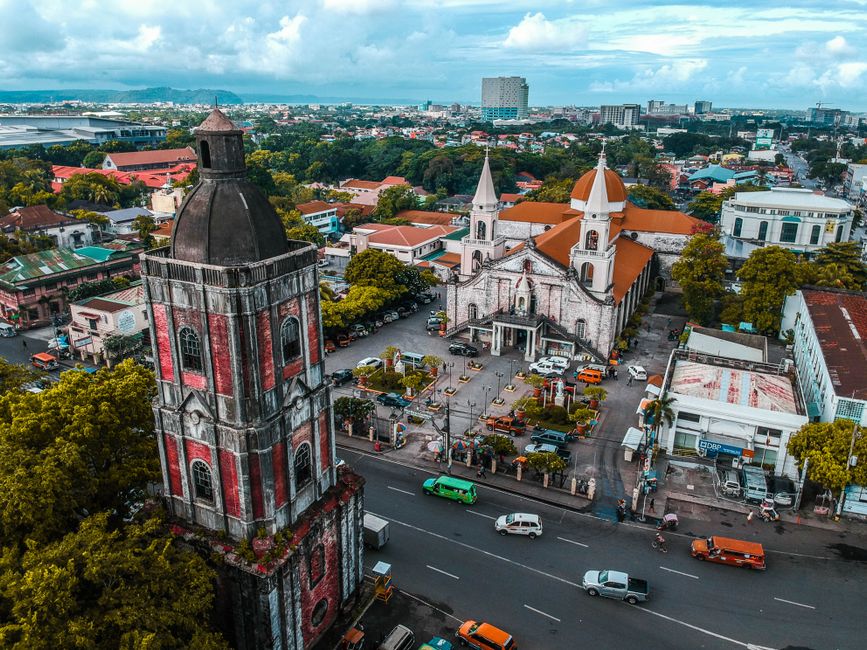
- The architecture of Iloilo is a testament to its colonial past, featuring a mix of European and American-inspired structures. Visitors can explore stately mansions, heritage commercial buildings, and majestic century-old churches that remain well-preserved today.
- The region is a cultural melting pot where multiple languages are spoken, reflecting its diverse population. While Hiligaynon is the primary language, Kiniray-a is commonly used in the countryside, and English and Tagalog are widely understood in urban areas.
- Iloilo is celebrated for its commitment to heritage preservation, often cited as a benchmark for urban planning in the Philippines. The city has implemented ordinances to protect its colonial edifices, ensuring that historical character coexists with modern development.
- The Iloilo River Esplanade is a prime example of the city's successful urban renewal and environmental projects. This linear park has become a celebrated waterfront destination that promotes both leisure and sustainable urban living for residents and tourists alike.
- The province is home to a high concentration of museums, particularly in Iloilo City, which offer deep dives into maritime history, economic development, and local arts. These institutions serve as a repository for the region's rich narrative, making it a premier destination for cultural tourism.
- Iloilo is famous for its multifarious festivals that showcase the vibrant spirit of the Ilonggo people. These celebrations are among the most significant and prolonged cultural events in the country, drawing visitors from all over to experience local traditions and hospitality.
Photo Gallery

You've reached your free article limit
You've read 10 of 10 free articles this month. Subscribe to Planet Earth News Network for unlimited access to neutral, global journalism — plus puzzles, podcasts, and the weekly newsletter.
Already a subscriber? Sign in.
Subscribers can ask the journalist a question about this story. Subscribe to ask.
Community of the Day feature by PENN editorial.
Comments
No comments yet — be the first to share your thoughts.
Senior Editor, Planet Earth News Network
View all articles by Desk →

