Community of the Day: Pokhara, Nepal
The Jewel of the Himalaya and Gateway to the Annapurna Region
Hear this story explained in 90 seconds.
Pokhara, Nepal
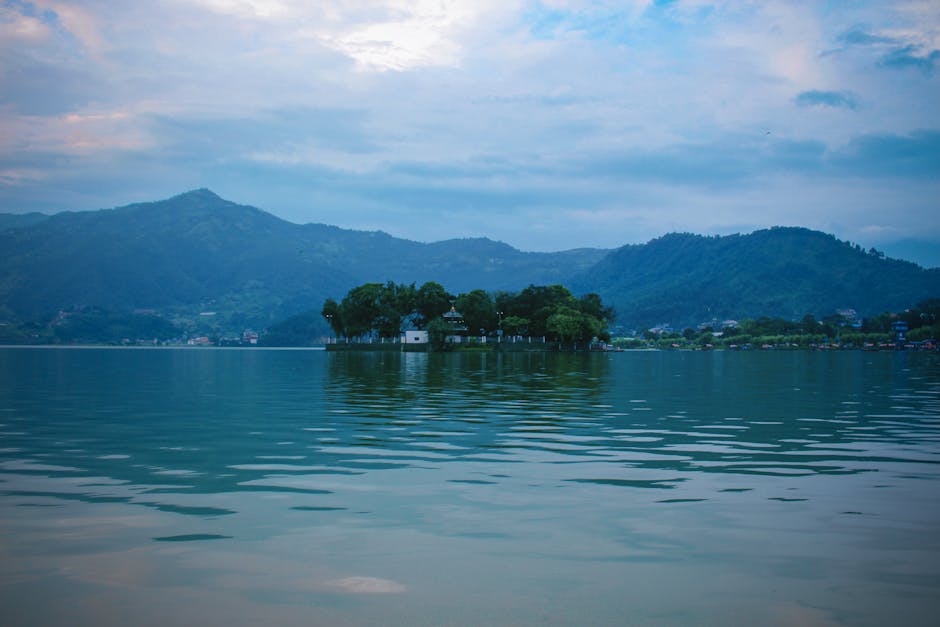
Nestled in the Gandaki Province at an altitude of approximately 800 meters, Pokhara is widely celebrated as the tourism capital of Nepal. Known for its breathtaking views of the Annapurna range and its serene cluster of lakes, this vibrant city serves as the primary gateway for trekkers exploring the Himalayas.
- Pokhara is famously known as the 'Jewel in the Himalaya' due to its stunning natural beauty, characterized by pristine air, lush greenery, and a spectacular backdrop of snow-capped peaks. The city offers a unique geographical advantage where mountains exceeding 6,000 meters are visible from an altitude of only 800 meters within a distance of just 28 kilometers.
- The city's geography is defined by a cluster of nine lakes, including the iconic Phewa, Rupa, and Begnas, which were collectively designated as a Ramsar site in 2021. These water bodies are vital for local biodiversity and provide a tranquil setting for boating, bird watching, and relaxation.
- Historically, Pokhara served as a crucial hub on the ancient trade route connecting India and Tibet. Even today, visitors can occasionally spot mule trains on the city's outskirts, continuing a tradition of transporting goods from remote Himalayan regions like Mustang.
- The city is a melting pot of diverse ethnic communities, including the Gurung, Magar, Brahmin, and Chhetri people. The northern hills are predominantly home to Gurung villages, while the Gandharva tribe, known for their musical heritage, resides in the Batulechaur area.
- Adventure tourism is a cornerstone of the local economy, with the city serving as the base for the world-famous Annapurna Circuit trek. In recent years, it has also become a premier destination for paragliding, ultra-light aircraft flights, and mountain biking.
- The Thakali people, an indigenous group from the Mustang region, are highly regarded in Pokhara for their entrepreneurial spirit. They are well-known for operating traditional tea houses and restaurants that provide essential hospitality along the trekking routes of the Annapurna region.
- The Seti River Gorge is a significant geological feature of the city, carving a deep, narrow path through the landscape. It is a popular spot for photography and offers a dramatic look at the natural forces that have shaped the Pokhara Valley over millennia.
- Cultural life in Pokhara is enriched by traditional music, most notably the 'Panché Baaja,' a band typically performed by Damaai musicians during marriage ceremonies. This musical tradition remains a vital part of the social fabric, even as modern genres like pop and hip-hop gain popularity among the youth.
- The old Pokhara market, particularly in areas like Mohariya and Ganesh, preserves the city's living history through its traditional Newari-style architecture. These streets offer a glimpse into the past, with mud houses and historic bazaars that contrast with the modern tourist infrastructure of the Lakeside district.
- Pokhara is highly vulnerable to seismic activity due to its location on clay soil with significant liquefaction potential. Despite these geological challenges, the city has grown into a major metropolitan center with a population exceeding half a million people as of 2023.
Photo Gallery


You've reached your free article limit
You've read 10 of 10 free articles this month. Subscribe to Planet Earth News Network for unlimited access to neutral, global journalism — plus puzzles, podcasts, and the weekly newsletter.
Already a subscriber? Sign in.
Subscribers can ask the journalist a question about this story. Subscribe to ask.
Community of the Day feature by PENN editorial.
Comments
No comments yet — be the first to share your thoughts.
Senior Editor, Planet Earth News Network
View all articles by Desk →