Community of the Day: Stone Town, Zanzibar
The labyrinthine coral-stone heart of East Africa's historic spice trade and Swahili culture.
Hear this story explained in 90 seconds.
Stone Town, Tanzania
Known locally in Swahili as Mji Mkongwe, Stone Town is the historic quarter of Zanzibar City on the western shores of Unguja island. Renowned for its coral-rag architecture, maze-like alleyways, and layered oceanic history, it stands as an enduring emblem of the Swahili coastal trading world.
- Deep Medieval Origins: Emerging archaeological surveys indicate that Swahili communities settled on Stone Town's sheltered peninsula as early as the eleventh century. The natural harbor provided refuge to maritime fishermen and established a direct point of contact with mainland Africa long before early modern colonizers arrived. Over centuries, these coastal fishing villages coalesced into an influential Swahili commercial hub.
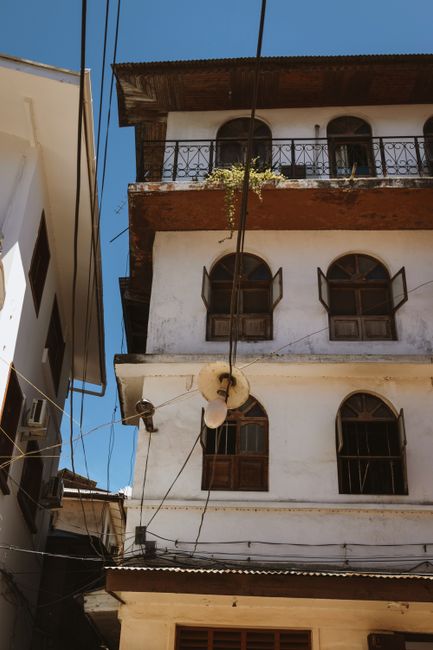
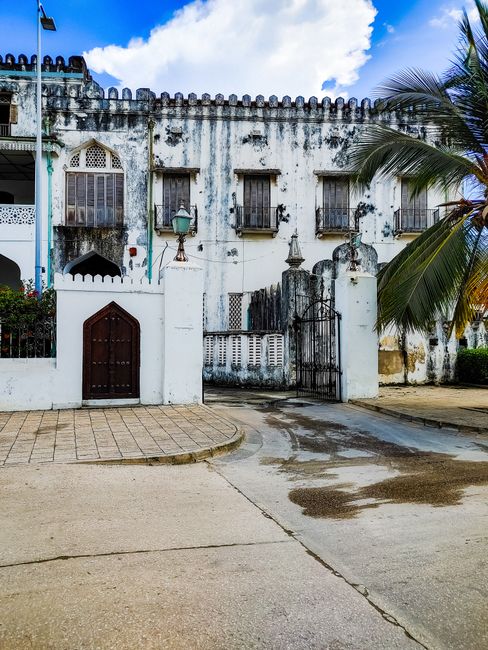
- Architecture of Coral Ragstone: Stone Town owes its descriptive name to its distinctive traditional masonry made from coral ragstone and mangrove timber bound by lime mortar. Quarried from the surrounding fringing reefs of Unguja, this porous stone allowed builders to construct tall, thick-walled townhouses that naturally insulate against equatorial heat. Today, these distinctive pale, weathered walls define the protected streetscapes of the town.
- Sultanate Capital and Spice Crossroads: In the nineteenth century, Sultan Said bin Sultan relocated the capital of the Omani Empire from Muscat directly to Zanzibar, permanently transforming Stone Town's regional prestige. The town rapidly grew into the world's foremost marketplace for cloves, ivory, and maritime goods across the Indian Ocean basin. This period financed the construction of lavish palaces, stone mansions, and extensive civic infrastructure.
- Center of the Abolition Memory: Zanzibar once served as one of the major commercial hubs of the Indian Ocean slave trade in East Africa before its formal suppression. Today, the Christ Church Anglican Cathedral stands directly atop the grounds of the former open slave market as an intentional monument to abolition, with its altar placed over the site of the former whipping post. This somber history forms a crucial pillar of Stone Town’s tangible and intangible world heritage.
- The Iconic House of Wonders: Beit-al-Ajaib, or the House of Wonders, was constructed in 1883 by Sultan Barghash as a ceremonial palace and remains one of the settlement's most towering landmarks. Designed with European, Arab, and indigenous influences, it was the first building in East Africa to boast an electric elevator and running tap water. With grand cast-iron columns and sweeping verandas, it overlooks the historic waterfront and harbor.
- Intricate Carved Wooden Doors: Throughout the narrow alleys of Stone Town, elaborately carved wooden doorways serve as distinct markers of social standing and cultural lineage. Traditional Arab doors often display rectangular frames inscribed with Quranic verses and floral flourishes, whereas Indian-influenced doors frequently feature curved lintels and brass studs historically meant to deter war elephants. These entranceways reflect generations of master craftmanship across Swahili coastal ports.
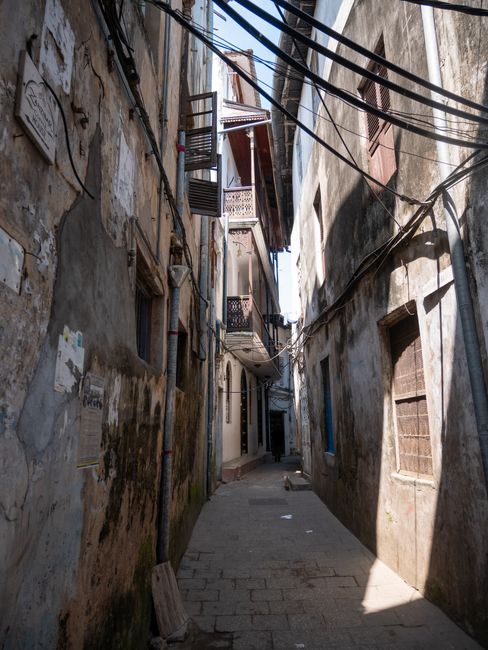
- The Labyrinthine Urban Fabric: Unlike modern grid-planned cities, Stone Town’s interior consists of a dense, pedestrian-oriented labyrinth of narrow alleys designed to maximize shade and channel sea breezes. The winding pathways connect shaded courtyards, ground-floor Indian shophouses, and public gathering squares where vehicular traffic cannot penetrate. This intact medieval urban pattern earned the community designation as a UNESCO World Heritage site in 2000.
- Taarab Music and Cultural Synthesis: Stone Town is the intellectual birthplace of Taarab, a musical genre combining traditional Swahili poetry with Arab instrumentation, Indian melodies, and African rhythms. Formally popularized during royal sultanate courts, the style remains a fixture of Zanzibari weddings and seaside festivals. Legendary figures such as Siti binti Saad pioneered mass-market recordings here, leaving an enduring imprint on East African music.
- Modern Tourist Economy: While historic maritime trade once centered on cloves and copra, modern Stone Town thrives as the bustling epicenter of Zanzibar's travel and service economy. Former merchant mansions and consular residences have been adapted into boutique hotels, art galleries, and restaurants. The bustling harbor continues to dock traditional wooden dhows alongside passenger catamarans carrying visitors between Dar es Salaam and the archipelago.
- The Nightly Forodhani Gathering: Each evening at sunset, the waterfront gardens of Forodhani transform into an open-air food market that unites locals and travelers alike. Vendors serve regional specialties such as freshly pressed sugarcane juice, coconut-infused curries, seafood skewers, and the famous Zanzibar pizza. This seaside promenade remains the social heartbeat of community life as ocean winds sweep across the historic sea wall.
Photo Gallery
You've reached your free article limit
You've read 10 of 10 free articles this month. Subscribe to Planet Earth News Network for unlimited access to neutral, global journalism — plus puzzles, podcasts, and the weekly newsletter.
Already a subscriber? Sign in.
Subscribers can ask the journalist a question about this story. Subscribe to ask.
Community of the Day feature by PENN editorial.
Comments
No comments yet — be the first to share your thoughts.
Senior Editor, Planet Earth News Network
View all articles by Desk →