Conservation Groups Call for Global Boycott of Krill Products Following Failed Antarctic Protection Talks
Advocates urge consumers to stop purchasing krill-based goods after international regulators failed to reach a consensus on marine protections.
PENN Explainer
Hear this story explained in 90 seconds.
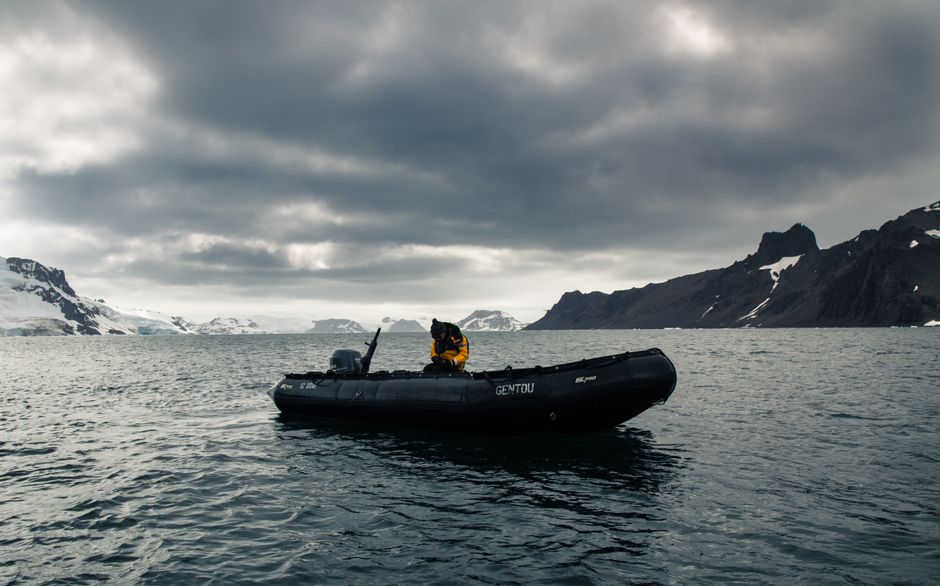
Conservation organizations are calling for a worldwide boycott of all krill products following the conclusion of the 45th annual meeting of the Commission for the Conservation of Antarctic Marine Living Resources. The meeting, which took place in Hobart, Australia, ended on October 30 without a consensus on new marine protection measures. The commission failed to agree on updated regulations for krill fishing in the sensitive Antarctic ecosystem. This lack of progress has prompted environmental groups to take direct action by targeting the consumer market.
They are urging both individual shoppers and major retailers to stop selling items derived from Antarctic krill. Krill are small, shrimp-like crustaceans that serve as a foundational food source for many Antarctic species, including whales, seals, and penguins. Scientists have long warned that industrial fishing of these creatures could disrupt the delicate balance of the Southern Ocean. The commission is responsible for managing the marine life of the Antarctic, but its decision-making process requires unanimous agreement among member nations.
This requirement often leads to deadlocks when countries have conflicting interests regarding commercial fishing rights. Environmental advocates argue that the current regulatory framework is insufficient to protect the region from the impacts of climate change and overfishing. They believe that a consumer-led boycott is necessary to pressure companies to adopt more sustainable practices. The call for a boycott highlights the growing frustration among conservationists regarding the slow pace of international environmental diplomacy.
Many groups feel that the commission is prioritizing commercial interests over the long-term health of the Antarctic environment. Retailers are now facing increased scrutiny regarding the sourcing of their omega-3 supplements and other products containing krill oil. Some companies have already begun to review their supply chains in response to the growing public pressure. The future of Antarctic marine protection remains uncertain as the commission prepares for its next cycle of negotiations. Conservationists maintain that until stronger regulations are implemented, the boycott will remain a primary tool for protecting the region's biodiversity.
You've reached your free article limit
You've read 10 of 10 free articles this month. Subscribe to Planet Earth News Network for unlimited access to neutral, global journalism — plus puzzles, podcasts, and the weekly newsletter.
Already a subscriber? Sign in.
Ask the Author
Subscribers can ask the journalist a question about this story. Subscribe to ask.
Neutrality note
Auto-harvested from global news wires and presented neutrally by PENN.
to vote
Comments
No comments yet — be the first to share your thoughts.