
Culinary Tradition of the Day: Mole
Exploring the complex history and cultural significance of Mexico's iconic sauce
Hear this story explained in 90 seconds.
Mole
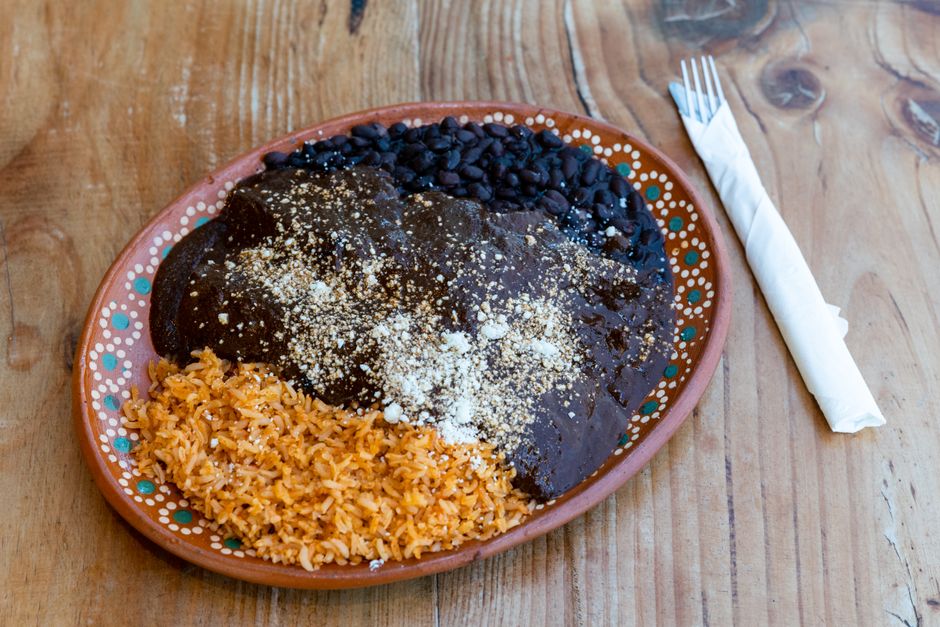
Mole is a cornerstone of Mexican gastronomy, representing a sophisticated blend of indigenous roots and colonial influences. While often simplified by outsiders as a chocolate-based sauce, it is actually a diverse category of complex, chili-based preparations that vary significantly by region. This culinary tradition serves as a symbol of national identity and is a centerpiece for major celebrations across Mexico.
History
The origins of mole are deeply rooted in pre-Hispanic Mexican culture, where the Nahuatl word mulli referred to a simple sauce or stew made from chilies, tomatoes, and herbs. Fray Bernardino de Sahagún documented these early ceremonial stews, which were often prepared as offerings to deities or for royalty like Moctezuma. Following the arrival of the Spanish, the dish evolved through the incorporation of Old World ingredients such as cinnamon, black pepper, cloves, and anise. Popular legend frequently attributes the creation of the modern, complex mole to 17th-century nuns in the Santa Rosa Convent in Puebla, who supposedly combined available pantry staples to impress a visiting viceroy.
Cultural Significance
Mole is far more than a meal; it is a cultural embodiment of mestizaje, the fusion of indigenous and European heritages that defines modern Mexico. It is traditionally reserved for significant life events, including weddings, quinceañeras, and religious festivals, where families gather to prepare large batches together. The labor-intensive nature of the dish, which often requires hours of roasting and grinding ingredients on a stone metate, reinforces its status as a communal effort. In many communities, the ability to craft a signature mole is a point of pride and a vital link to ancestral heritage.
How It Works
The preparation of traditional mole is an arduous process that begins with the careful selection and roasting of various dried chili peppers, such as ancho, pasilla, and chipotle. These are ground alongside a myriad of other components, which may include nuts, seeds, spices, fruits, and occasionally chocolate, to create a thick, flavorful paste. This base is then fried in lard or oil and simmered with broth for several hours to achieve the desired depth and consistency. While modern convenience has introduced pre-made pastes and powders to markets, the traditional method remains the gold standard for festive occasions.
Representative Recipe
Classic Mole Poblano
A rich, velvety sauce featuring a complex balance of dried chilies, warm spices, and a hint of dark chocolate, traditionally served over turkey or chicken.
Prep time: 60 min | Cook time: 120 min | Total time: 180 min | Yield: 8 servings | Difficulty: Hard
Ingredients
- 4 dried ancho chilies, stemmed and seeded
- 4 dried pasilla chilies, stemmed and seeded
- 3 dried mulato chilies, stemmed and seeded
- 1/4 cup almonds, blanched
- 1/4 cup raisins
- 1/2 tsp cinnamon, ground
- 1/4 tsp cloves, ground
- 1/4 cup sesame seeds
- 1 oz dark chocolate, chopped
- 2 cups chicken broth
- 2 tbsp lard or vegetable oil
Instructions
- Toast the dried chilies in a dry pan over medium heat until fragrant, then soak them in hot water for 20 minutes until softened.
- Blend the softened chilies with a small amount of soaking liquid until a smooth paste forms.
- In the same pan, lightly toast the almonds and sesame seeds until golden brown, then grind them into a fine powder.
- Heat the lard in a large pot and fry the chili paste for 5 minutes, stirring constantly to prevent burning.
- Stir in the ground nuts, spices, and chicken broth, simmering the mixture over low heat for 60 minutes until thickened.
- Add the chocolate and stir until fully melted and incorporated, adjusting the consistency with more broth if necessary.
Notes
Serve this mole warm over roasted chicken or turkey, accompanied by a side of Mexican rice and fresh corn tortillas. The sauce can be stored in the refrigerator for up to three days, as the flavors often deepen after sitting overnight.
You've reached your free article limit
You've read 10 of 10 free articles this month. Subscribe to Planet Earth News Network for unlimited access to neutral, global journalism — plus puzzles, podcasts, and the weekly newsletter.
Already a subscriber? Sign in.
Subscribers can ask the journalist a question about this story. Subscribe to ask.
Culinary Tradition of the Day feature by the PENN Food & Spirits Desk.
Comments
No comments yet — be the first to share your thoughts.
PENN's lifestyle and culinary department, covering global cuisine — the origins, traditions, and recipes behind the world's dishes, with deep histories and cultural context that go beyond the plate. and PENN's beverage-focused culinary team, dedicated to spirits and drinks — covering distilleries, breweries, and producers worldwide, with histories, tasting notes, professional reviews, and cocktail traditions.
View all articles by Desk →
