
Cyclone Murasu Makes Landfall on India's Andhra Pradesh Coast
Severe weather conditions disrupt coastal operations and prompt emergency preparedness measures across the region.
PENN Explainer
Hear this story explained in 90 seconds.
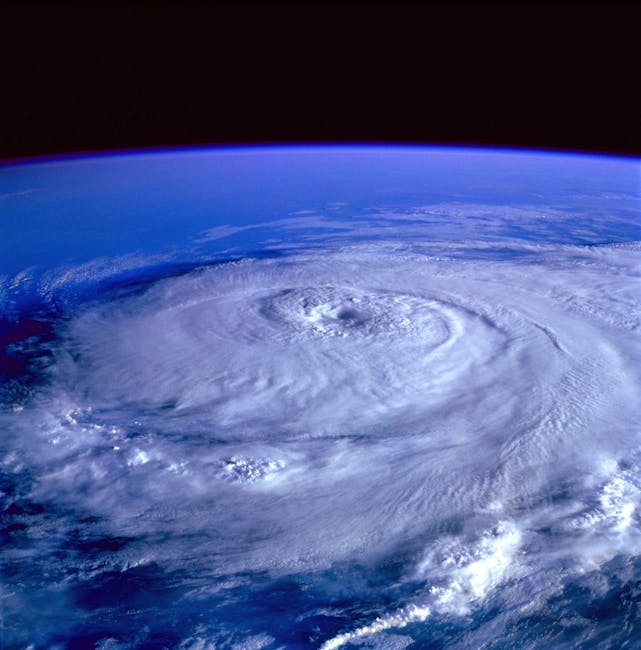
The coastal region of Andhra Pradesh in India is currently managing the impact of Cyclone Murasu, which made landfall early on November 3, 2026. The storm system, which originated as a deep depression over the Bay of Bengal, intensified rapidly before reaching the coastline near Visakhapatnam. Local authorities have been working to mitigate the effects of the severe weather on both land and maritime infrastructure.
Emergency response teams in the states of Odisha and Andhra Pradesh have significantly increased their preparedness levels in anticipation of the storm's arrival. Officials have been coordinating evacuation efforts for residents in low-lying coastal areas to ensure public safety. The focus remains on minimizing potential damage to property and protecting local communities from heavy rainfall and strong winds.
Maritime operations in the vicinity of the cyclone have faced immediate disruptions due to the hazardous sea conditions. Port authorities have issued warnings to vessels in the area, advising them to take necessary precautions or seek shelter in safer harbors. The safety of seafarers and the security of cargo vessels remain the primary concerns for regional maritime agencies.
This weather event adds to a series of challenges currently facing the global shipping industry. While the immediate impact is localized to the Indian coast, the broader maritime sector is already navigating a complex environment of geopolitical instability and supply chain constraints. The arrival of the cyclone highlights the ongoing vulnerability of coastal infrastructure to extreme weather patterns.
Industry analysts note that such events can have cascading effects on regional trade schedules and port efficiency. When major ports are forced to suspend operations, the resulting backlog can ripple through international supply chains. This creates additional pressure on logistics providers who are already managing high freight rates and limited capacity.
Local government officials are currently assessing the extent of the damage to coastal facilities and infrastructure. Preliminary reports suggest that the storm has caused significant disruption to local fishing activities and small-scale maritime transport. Recovery efforts will likely begin once the weather conditions stabilize and it is safe for personnel to conduct thorough inspections.
India has been actively working to modernize its maritime sector through various policy initiatives, including the upcoming Maharashtra Maritime Development Policy. These efforts aim to make the country's ports more investor-friendly and resilient to both economic and environmental shocks. The current response to Cyclone Murasu serves as a test of the robustness of these existing disaster management frameworks.
International maritime organizations continue to monitor the situation to provide support where necessary. The coordination between state and national agencies is essential for a swift return to normal operations. Maintaining the safety of the maritime workforce remains a top priority for all stakeholders involved in the response.
Looking ahead, the focus will shift toward long-term resilience and the integration of better early-warning systems for coastal regions. As climate patterns continue to shift, the ability to predict and prepare for such storms becomes increasingly critical for the stability of global trade. The lessons learned from this event will likely inform future infrastructure planning and emergency protocols.
Regional authorities have expressed their commitment to supporting the affected communities throughout the recovery process. The resilience of the local population and the effectiveness of the emergency response will be key factors in the coming days. Further updates on the status of port operations and infrastructure repairs are expected as the situation evolves.
You've reached your free article limit
You've read 10 of 10 free articles this month. Subscribe to Planet Earth News Network for unlimited access to neutral, global journalism — plus puzzles, podcasts, and the weekly newsletter.
Already a subscriber? Sign in.
Ask the Author
Subscribers can ask the journalist a question about this story. Subscribe to ask.
Neutrality note
Auto-harvested from global news wires and presented neutrally by PENN.
to vote
Comments
No comments yet — be the first to share your thoughts.
Related stories in Oceanic/Maritime

Iceland Prepares Legislation to Permanently Ban Commercial Whaling
2026-11-09
Dalian Maritime University Instructor Yu Jiajia Receives 2027 IMO Gender Equality Award
2026-11-09