Davao Prison Launches Hydroponic Facility to Boost Food Security and Rehabilitation
New greenhouse project provides inmates with modern agricultural skills while increasing local food production.
PENN Explainer
Hear this story explained in 90 seconds.
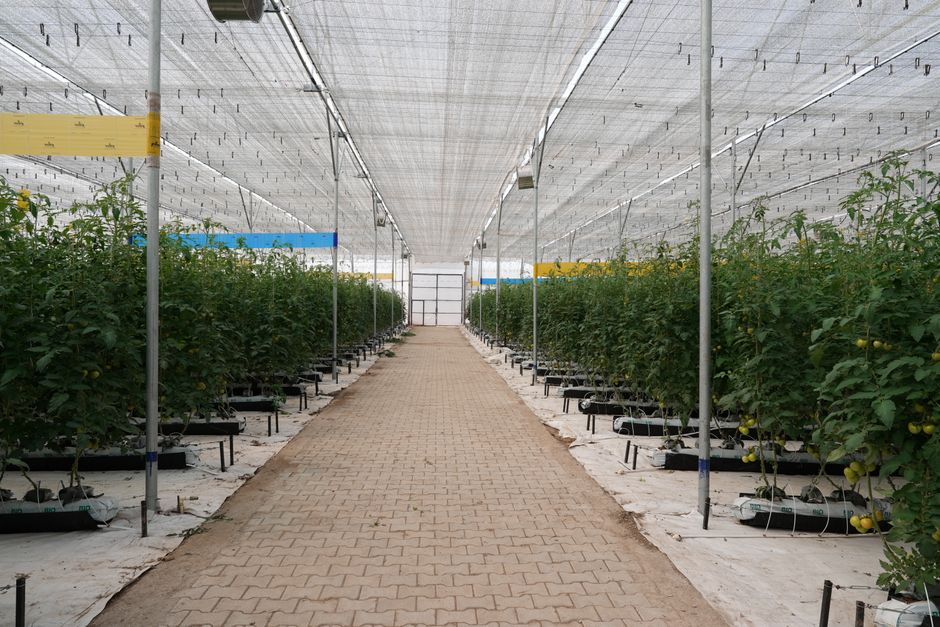
The Department of Agriculture in the Davao Region of the Philippines recently turned over a new greenhouse and hydroponics facility to the Davao Prison and Penal Farm. This project, valued at 1.49 million Philippine pesos, aims to strengthen food security while supporting the rehabilitation of persons deprived of liberty. The facility was funded through the regional office’s National Urban and Peri-Urban Agriculture Program.
Located in Braulio E. Dujali, Davao del Norte, the site serves as both a production hub and a training center. It is part of the broader Reformation Initiative for Sustainable Environment and Agriculture for Food Security project. This partnership between the Department of Agriculture and the Bureau of Corrections focuses on equipping inmates with practical, modern farming skills.
Hydroponics is a method of growing plants in a nutrient-rich water solution rather than soil. This technique is particularly useful in urban or confined settings where land availability is limited. By using these systems, the prison can produce fresh vegetables more efficiently than traditional farming methods might allow.
Chief Superintendent Abel DR Ciruela, the acting head of the Davao Prison and Penal Farm, described the greenhouse as the first of its kind for the Bureau of Corrections. He pledged that the facility would be fully utilized to benefit the inmate population. The project is designed to help individuals acquire competencies that will aid their eventual reintegration into society.
Project Engineer Rey Jhon Guadalquiver stated that the facility showcases climate-smart and resource-efficient agricultural technology. By using controlled environments, the system minimizes water usage and protects crops from external weather fluctuations. This approach aligns with global efforts to promote sustainable food production in diverse environments.
Similar hydroponic initiatives are being implemented worldwide to address food insecurity in vulnerable communities. Organizations like the World Food Programme have utilized low-tech hydroponic systems in refugee camps and arid urban areas to help families grow their own food. These projects often rely on locally sourced materials to keep costs affordable.
In South Africa, researchers have explored how hydroponics can support urban food security in under-resourced areas. While high initial setup costs remain a challenge, hybrid models that combine hydroponics with traditional farming have shown promise. These systems allow for faster growth cycles and higher yields in small spaces.
In Singapore, modular vertical farms are being developed to address land scarcity and high humidity. These systems integrate passive climate control and active monitoring to optimize crop growth. Such innovations are helping dense urban centers become more resilient against supply chain disruptions.
Urban agriculture projects in cities like Orlando, Florida, are also testing how these methods can help communities adapt to climate change. By growing food locally, these farms reduce the distance food must travel and create cooler, greener spaces in concrete-heavy environments. These initiatives demonstrate the growing importance of localized, technology-driven food production.
As these projects continue to evolve, the focus remains on training and community engagement. Providing individuals with the knowledge to manage these systems is essential for long-term success. Future efforts will likely continue to integrate these agricultural technologies into broader social and economic development strategies.
You've reached your free article limit
You've read 10 of 10 free articles this month. Subscribe to Planet Earth News Network for unlimited access to neutral, global journalism — plus puzzles, podcasts, and the weekly newsletter.
Already a subscriber? Sign in.
Ask the Author
Subscribers can ask the journalist a question about this story. Subscribe to ask.
Neutrality note
Auto-harvested from global news wires and presented neutrally by PENN.
to vote
Comments
No comments yet — be the first to share your thoughts.
Related stories in Solutions
Harris County Adopts Comprehensive Climate Justice Plan to Build Community Resilience
2026-11-13
Indigenous-Led Solar Canoe Initiative Expands Sustainable Transport Across the Amazon
2026-11-13