Dhaka Hosts Rickshaw Art Festival 2026 to Celebrate and Safeguard National Heritage
North South University exhibition pairs traditional tinplate paintings with film screenings and preservation workshops to champion street-level folk art.
PENN Explainer
Hear this story explained in 90 seconds.
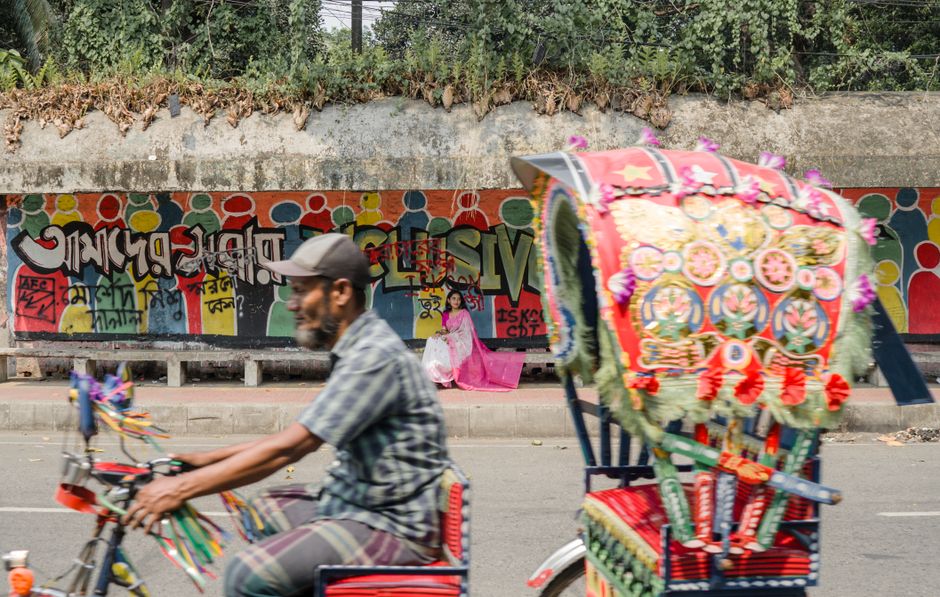
A vibrant cultural initiative dedicated to celebrating and preserving Bangladesh's visual identity opened at North South University in Dhaka. The Rickshaw Art Festival 2026 showcases an iconic urban tradition, often described by organizers and visitors as a moving canvas carrying everyday stories, popular figures, and street imagination.
The festival was officially inaugurated by prominent cultural and academic figures, highlighting the urgent need to protect traditional craft practices. Attendees at the opening included prominent photojournalist Shahidul Alam, Adviser to the Ministry of Cultural Affairs Mostofa Sarwar Farooki, and North South University Vice-Chancellor Abdul Hannan Chowdhury, alongside foreign diplomatic representatives.
Organized jointly by cultural group Shei Dhaka and the NSU Art and Photography Club, with presentation support from Awake Coffee Roasters, the event transforms traditional gallery spaces into vivid reflections of urban streets. Visitors navigate through works executed with bold hues of red, orange, yellow, and green, celebrating both historic styles and modern expressions.
Rather than relying on classic canvas, participating artisans created many of the festival's pieces on steel and tin rickshaw backs. These sturdy metal panels adhere to the exact materials and working techniques used on passenger tricycles across the capital city, providing an authentic view into urban craft.
The artworks featured on display depict portraits of celebrated Bengali actors and actresses, colorful peacocks, floral arrangements, and stylized depictions of rural landscapes. Together, they reflect the wide breadth of folk motifs and cinematic references that have defined local transport decor for decades.
Beyond visual objects, the program includes a cinema series showing modern Bengali cinematic classics such as "Aynabaji," "Monpura," and "Rickshaw Girl." The film screenings are paired with the art display to show the deep, reciprocal influence between commercial theater and folk street illustration.
Education and skills transfer form another key pillar of the multi-day festival. Dedicated hands-on workshops invited university students to learn traditional painting methods directly from veteran master artisans, with sessions scheduled for school students to try live painting during subsequent days.
To address the survival of the art form in an increasingly modern city, festival planners organized an expert panel entitled "How Can We Preserve & Promote Rickshaw & Cinema Art Globally? A Heritage at Risk of Fading." The symposium brings together cultural critics, scholars, and UNESCO delegates to devise international safeguarding frameworks.
Panel participants aim to explore how changing urban transport policies and machine-printed alternatives have gradually displaced hand-painted decorations. They seek strategies to ensure younger generations recognize rickshaw painting as an invaluable component of living folk heritage rather than obsolete transport signage.
Open daily to the public, the festival provides free access to community members, scholars, and international visitors. By connecting archival appreciation with contemporary street arts, organizers hope to sustain public enthusiasm and preserve this traditional Bangladeshi craft long into the future.
You've reached your free article limit
You've read 10 of 10 free articles this month. Subscribe to Planet Earth News Network for unlimited access to neutral, global journalism — plus puzzles, podcasts, and the weekly newsletter.
Already a subscriber? Sign in.
Ask the Author
Subscribers can ask the journalist a question about this story. Subscribe to ask.
Nota de neutralidade
Auto-harvested from global news wires and presented neutrally by PENN.
to vote
Comments
No comments yet — be the first to share your thoughts.