
Travelen
Europe Expands Cross-Border Rail Network with New Sleeper Services in 2026
A wave of new international train routes aims to provide travelers with sustainable alternatives to short-haul flights across the continent.
PENN Explainer
Hear this story explained in 90 seconds.
Europe is experiencing a significant expansion of its passenger rail network throughout 2026 as operators launch several new cross-border services. These additions include both overnight sleeper trains and high-speed connections designed to link major capitals and regional hubs. The initiative seeks to provide travelers with viable, low-carbon alternatives to short-haul aviation for international journeys.
One notable development is the launch of a new overnight service by the Belgian-Dutch rail cooperative European Sleeper. This train connects Brussels and Milan, with scheduled stops in Cologne and Berne. The service officially began operations on September 9, 2026, creating a direct rail corridor between Northern Europe and Italy.
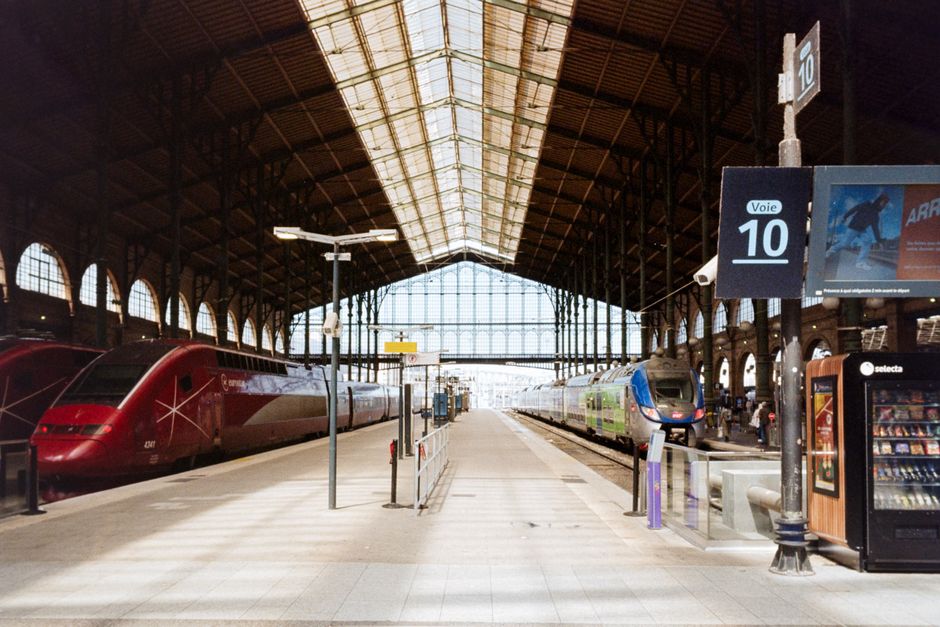
Earlier in the year, European Sleeper also introduced a three-times-weekly overnight route between Paris Gare du Nord and Berlin Hauptbahnhof. This service, which launched on March 26, 2026, restored a connection that had been previously abandoned following the withdrawal of funding by Austrian operator ÖBB in late 2025. The route serves as a key link for travelers moving between the French and German capitals.
Beyond these sleeper services, the rail landscape is diversifying with luxury and regional offerings. For instance, a new luxury rail journey began carrying passengers from Paris to Italy’s Amalfi Coast in May 2026 as part of the Belmond Villeggiatura by Train series. While this route focuses on immersive cultural experiences rather than point-to-point commuting, it highlights the growing interest in rail as a primary mode of travel.
Market research suggests that consumer demand for these services is rising. A 2025 survey conducted by Hitachi Rail, which polled 11,000 people, found that nearly half of respondents intend to travel more by train and less by plane over the next five years. Furthermore, 62 percent of those surveyed indicated they would choose a train alternative if one were available for their short-haul trips.
Industry groups are working to make these options more visible to the public. The organization Back-on-Track.eu recently released an interactive map for 2026 that tracks all regular sleeper services currently operating across the continent. This resource aims to help travelers navigate the complex web of international rail connections that have been established or revived this year.
Government bodies are also supporting the shift toward rail. Apostolos Tzitzikostas, the European commissioner for sustainable transport and tourism, has emphasized the importance of connecting European regions through efficient rail infrastructure. The European Commission is currently encouraging efforts to streamline booking processes to make cross-border travel more accessible.
Competition is also increasing on established lines, which may lead to more choices for passengers. In France, a new rail company has secured initial approval to launch high-speed services from Paris to cities such as Bordeaux, Nantes, and Angers. This development could challenge the dominance of the national operator, SNCF, on some of the country’s busiest routes.
Other regions are seeing similar trends in rail development. A new sleeper service linking Switzerland, Germany, Denmark, and Sweden is also set to expand the network of night trains available to travelers. These routes are part of a broader effort to integrate rail systems across national borders.
Despite these advancements, some observers note that short-haul flights remain frequent. Back-on-Track.eu has reported that while new rail routes are being introduced, some existing sleeper services have faced challenges or rollbacks. The ongoing expansion of the rail network is intended to address these gaps and provide a more consistent alternative for long-distance travel.
Looking ahead, the focus remains on improving efficiency and connectivity. Planners are exploring the possibility of increasing the frequency of high-speed trains on major international corridors, such as the line between London and continental Europe. These long-term goals reflect a broader commitment to developing a more interconnected and sustainable transport system across the region.
You've reached your free article limit
You've read 10 of 10 free articles this month. Subscribe to Planet Earth News Network for unlimited access to neutral, global journalism — plus puzzles, podcasts, and the weekly newsletter.
Already a subscriber? Sign in.
Ask the Author
Subscribers can ask the journalist a question about this story. Subscribe to ask.
Neutrality note
Auto-harvested from global news wires and presented neutrally by PENN.
to vote
Comments
No comments yet — be the first to share your thoughts.


