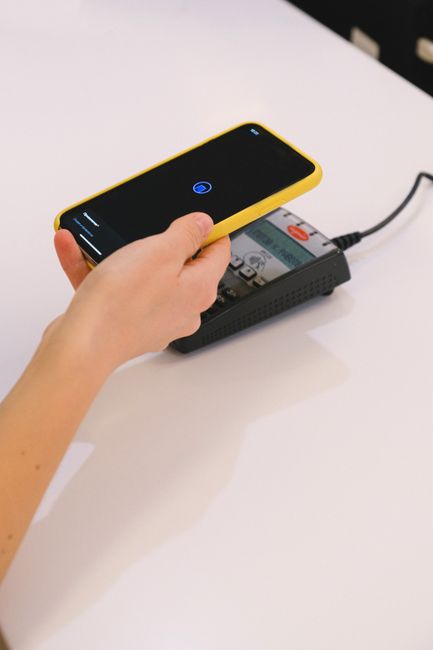
European Central Bank and Brazil Explore Linking Instant Payment Systems
The ECB and the Central Bank of Brazil are studying a potential connection between their respective payment platforms to streamline cross-border transactions.
PENN Explainer
Hear this story explained in 90 seconds.
The Governing Council of the European Central Bank has officially approved a feasibility study to explore linking the Eurosystem’s TARGET Instant Payment Settlement platform with Brazil’s Pix payment system. This initiative aims to assess the technical, operational, legal, and business requirements for connecting the two networks. By creating a direct link, the institutions hope to facilitate faster and more cost-effective instant payments between the euro area and Brazil.
Pix, which is owned and operated by the Central Bank of Brazil, has become a dominant force in the Brazilian financial landscape. The system currently processes approximately 250 million real-time transactions every day, with settlements occurring directly in central bank money. Its widespread adoption has made it a central component of Brazil's digital economy since its launch in 2020.
The European Central Bank is pursuing this study as part of a broader effort to modernize the global payments ecosystem. The Eurosystem is actively investigating various initiatives to link its settlement platform with other fast payment systems worldwide. These efforts align with the G20 roadmap, which seeks to create a more transparent, accessible, and efficient international payment environment.
This potential collaboration follows a period of increased international attention on the Pix platform. In recent months, the Brazilian central bank has been working to expand the reach of its system through various bilateral agreements and information-sharing accords with foreign counterparts. These moves are designed to improve the speed and transparency of cross-border remittances and commercial transactions.
Beyond the European initiative, Brazil has also taken steps to integrate Pix with other international networks. A pilot program was recently launched to allow users of China's UnionPay app to make payments at Brazilian businesses that accept Pix. This project is intended to simplify financial exchanges for tourists and consumers traveling between the two nations.
Domestically, the Central Bank of Brazil has also introduced regulatory updates to the Pix framework. In September 2026, the bank removed the blanket requirement for all large financial institutions to offer the service, moving instead toward a case-by-case exemption model. This change allows for more flexibility based on specific business models while maintaining the system's overall stability.
These regulatory adjustments and international expansion efforts occur as the system continues to see record-breaking usage. On September 4, 2026, Pix settled over 318 million transactions in a single day, moving approximately 186.9 billion Brazilian reais. Such high volumes underscore the system's critical role in the daily financial lives of millions of Brazilians.
The Central Bank of Brazil is also exploring ways to integrate Pix into the country's debt market. By using future payment flows as collateral, the bank aims to reduce the cost of credit for companies that rely heavily on the system. This initiative is expected to improve the quality of financial collateral and support broader economic activity.
As the feasibility study with the European Central Bank progresses, both institutions will continue to evaluate the potential benefits of a formal link. The collaboration remains in the early stages, with experts focusing on how to ensure secure and reliable transactions across different regulatory jurisdictions. If successful, the project could serve as a model for future intercontinental payment integration.
You've reached your free article limit
You've read 10 of 10 free articles this month. Subscribe to Planet Earth News Network for unlimited access to neutral, global journalism — plus puzzles, podcasts, and the weekly newsletter.
Already a subscriber? Sign in.
Ask the Author
Subscribers can ask the journalist a question about this story. Subscribe to ask.
Neutrality note
Auto-harvested from global news wires and presented neutrally by PENN.
to vote
Comments
No comments yet — be the first to share your thoughts.