Medicineen
FDA Clears Personalized Magnetic Stimulation Therapy for PTSD
New brain-mapping technology offers drug-free treatment option for patients with post-traumatic stress disorder.
PENN Explainer
Hear this story explained in 90 seconds.
The United States Food and Drug Administration has granted clearance to a new, personalized treatment for post-traumatic stress disorder that utilizes magnetic stimulation. Developed by the California-based company Wave Neuroscience, the technology aims to provide relief for individuals who have not responded well to traditional therapies. This development marks a shift toward using precise brain activity measurements to guide mental health interventions.
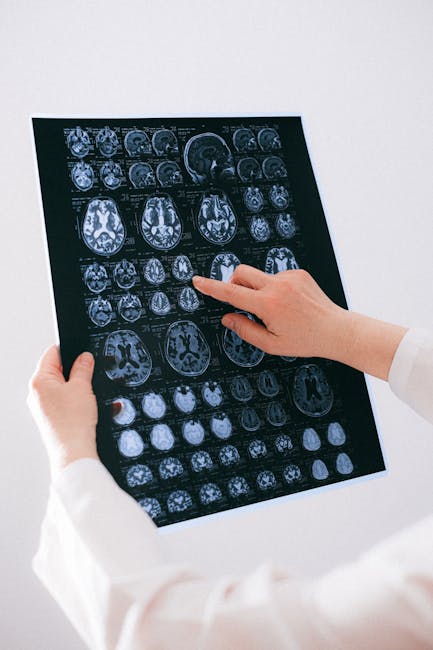
The treatment process begins by mapping a patient's unique brain activity to identify specific areas of abnormal function. Once these patterns are identified, clinicians use targeted magnetic stimulation to address the underlying neurological issues. This approach is designed to be a drug-free alternative for those struggling with the long-term effects of trauma.
Researchers at the Texas A&M Health Institute of Biosciences and Technology collaborated with Wave Neuroscience to evaluate the effectiveness of this method. Their clinical trial results showed a significant impact on patient outcomes. Participants in the study reported an average 52 percent reduction in their PTSD symptoms following the intervention.
Perhaps most notably, the trial reported a 68 percent remission rate among those who received the treatment. These findings suggest that personalized stimulation could become a vital tool in the broader landscape of mental healthcare. The researchers believe this technology may eventually be adapted to treat other complex mental health conditions as well.
Post-traumatic stress disorder remains a significant public health challenge, affecting millions of people worldwide. Many patients currently rely on medication or traditional talk therapy, which do not always provide the desired level of relief. The introduction of a device-based, personalized option offers a new path for those seeking different ways to manage their symptoms.
While the initial results are promising, the full data from the clinical trial are still being prepared for formal public release. Experts in the field are looking forward to reviewing the complete study to better understand the long-term durability of these results. Further research will likely be needed to determine how this therapy fits into existing clinical guidelines.
Wave Neuroscience has indicated that the technology is intended to complement, rather than replace, current standards of care. By focusing on the specific neurological signatures of trauma, the company hopes to improve the precision of psychiatric treatment. This could lead to more tailored care plans that address the unique needs of each individual patient.
As the medical community continues to explore the intersection of neuroscience and mental health, such innovations highlight the potential for non-invasive procedures. The ability to visualize and then influence brain activity represents a growing area of interest for clinicians. This FDA clearance serves as a milestone for the integration of advanced diagnostic mapping into routine therapeutic practice.
Looking ahead, the focus will shift toward making this technology more accessible to healthcare providers across the country. Scaling the availability of personalized brain mapping will require training for clinicians and further validation in diverse patient populations. The success of this initial trial provides a strong foundation for these future efforts.
Ultimately, the goal is to improve the quality of life for those living with the debilitating effects of PTSD. By offering a new, evidence-based option, the medical field continues to expand its capacity to support mental health recovery. The coming months will likely see more information regarding the rollout and clinical implementation of this magnetic stimulation therapy.
You've reached your free article limit
You've read 10 of 10 free articles this month. Subscribe to Planet Earth News Network for unlimited access to neutral, global journalism — plus puzzles, podcasts, and the weekly newsletter.
Already a subscriber? Sign in.
Ask the Author
Subscribers can ask the journalist a question about this story. Subscribe to ask.
Neutrality note
Auto-harvested from global news wires and presented neutrally by PENN.
to vote
Comments
No comments yet — be the first to share your thoughts.
Related stories in Medicine

Stanford Surgeons Perform First Adult U.S. Implantation of Custom Chest Wall Prosthesis
2026-11-15
UK Launches Adaptive Clinical Trial to Accelerate Alzheimer’s Disease Research
2026-11-15