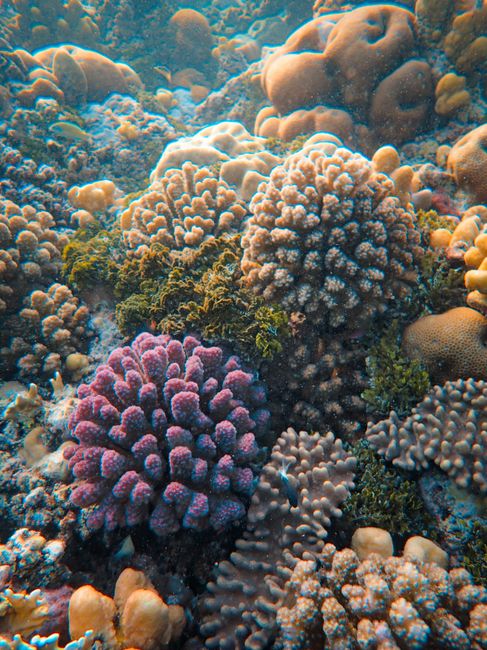
Fiji Launches Major Initiative to Protect Great Sea Reef Ecosystem
New conservation project aims to safeguard vital marine biodiversity and support local communities against climate impacts
PENN Explainer
Hear this story explained in 90 seconds.
The World Wildlife Fund recently announced a new conservation project dedicated to protecting Fiji’s Great Sea Reef. This expansive marine ecosystem is one of the most significant coral reef systems in the world. The initiative seeks to address growing environmental pressures that threaten the health of these underwater habitats. By focusing on sustainable management, the project aims to preserve the reef for future generations.
The Great Sea Reef, known locally as Cakaulevu, stretches across a vast portion of Fiji’s northern waters. It provides essential services to the nation, including coastal protection and support for local fisheries. Many communities rely directly on the reef for their daily food and economic stability. Protecting this area is considered a priority for maintaining regional ecological balance.
Climate change remains a primary concern for the health of the reef. Rising ocean temperatures and changing weather patterns have placed increased stress on coral colonies. These environmental shifts can lead to coral bleaching and the loss of critical marine habitats. The new project incorporates strategies to build resilience against these warming trends.
Local engagement is a central component of the conservation strategy. The World Wildlife Fund is working closely with traditional landowners and coastal villages to implement effective protection measures. These partnerships ensure that conservation efforts respect local knowledge and traditional practices. Community members are being trained to monitor reef health and manage resources sustainably.
Financial support for the project is designed to provide long-term stability for conservation activities. By securing consistent funding, the initiative can support ongoing research and monitoring programs. This approach allows for adaptive management, where strategies can be adjusted based on real-time data from the field. The goal is to create a durable framework that survives beyond the initial project timeline.
Scientific research will play a key role in guiding the restoration efforts. Experts are studying the specific species that inhabit the Great Sea Reef to better understand their needs. This data helps identify which areas require the most urgent protection or intervention. Understanding the interconnectedness of the reef’s biology is essential for successful management.
Sustainable fishing practices are also being promoted as part of the broader conservation plan. By reducing overfishing and destructive harvesting methods, the project aims to allow fish populations to recover. Healthy fish stocks are vital for the overall health of the coral reef ecosystem. These efforts are being coordinated with local authorities to ensure compliance and cooperation.
Education and awareness programs are being launched to inform the public about the importance of the reef. Schools and community centers will host workshops to discuss the value of marine biodiversity. Encouraging a sense of stewardship among the younger generation is seen as a vital step for long-term success. These programs aim to foster a culture of conservation throughout the region.
International collaboration is supporting the project’s objectives. The initiative aligns with global goals to protect a significant percentage of the world’s oceans by 2030. By sharing findings with other nations, Fiji contributes to a broader understanding of how to manage tropical reef systems. This exchange of information helps refine best practices for marine conservation worldwide.
Monitoring the progress of the project will be an ongoing process. Regular reports will track the health of the coral and the success of community-led initiatives. These updates will be shared with stakeholders to maintain transparency and accountability. The project serves as a model for how large-scale marine conservation can be achieved through collaborative action.
You've reached your free article limit
You've read 10 of 10 free articles this month. Subscribe to Planet Earth News Network for unlimited access to neutral, global journalism — plus puzzles, podcasts, and the weekly newsletter.
Already a subscriber? Sign in.
Ask the Author
Subscribers can ask the journalist a question about this story. Subscribe to ask.
Neutrality note
Auto-harvested from global news wires and presented neutrally by PENN.
to vote
Comments
No comments yet — be the first to share your thoughts.