
Food of the Day: Mochi Daifuku
A look at the history and preparation of Japan's beloved sweet rice cake
Hear this story explained in 90 seconds.
Mochi Daifuku
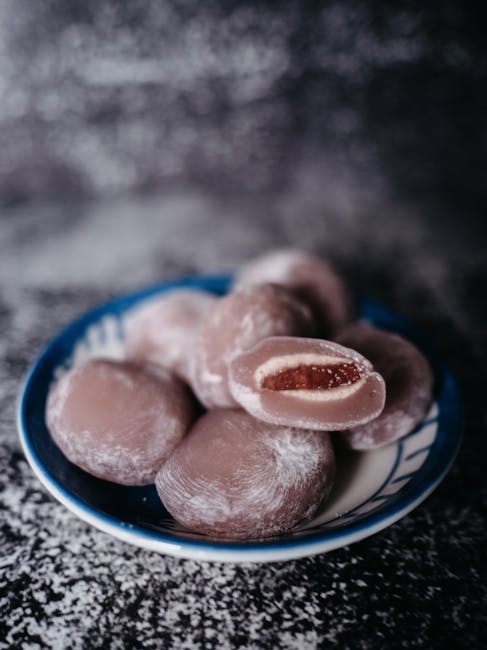
Mochi daifuku is a traditional Japanese confection known as wagashi that features a soft, chewy exterior made from glutinous rice. This popular treat consists of a small, round mochi shell stuffed with a sweet filling, most commonly sweetened red bean paste known as anko. The dish is a staple of Japanese culinary culture, often enjoyed as a delicate accompaniment to green tea.
History
The history of mochi dates back to the Jomon period in Japan, which spanned from approximately 14,000 to 300 BCE, when rice cultivation first began to spread across the islands. According to the Japan Wagashi Association, the ancestor of the modern daifuku was a treat known as uzura mochi, or quail mochi. Over time, the dish evolved into what is now called daifuku, a name that literally translates to great luck. During the Edo period, which lasted from 1603 to 1868, variations such as mame daifuku emerged, incorporating ingredients like boiled soybeans into the dough.
Cultural Traditions
Mochi holds deep cultural significance in Japan, often serving as a sacred food in religious ceremonies and traditional celebrations. It is frequently consumed during the New Year as a symbol of good fortune and blessings, reflecting its long-standing status as a gift from the gods. Beyond formal events, daifuku is a common daily snack that is served in various colors, including white, pink, and green, to mark different seasons or occasions. The preparation of the base mochi, known as mochitsuki, remains a vital community event where families gather to pound steamed rice into a smooth, elastic dough using a wooden mallet and stone mortar.
Recipe: Classic Anko Daifuku
A soft and chewy rice cake filled with sweet red bean paste, perfect for a traditional afternoon tea.
Prep time: 15 min | Cook time: 5 min | Total time: 20 min | Yield: 8 servings | Difficulty: Medium
Ingredients
- 150 grams shiratamako (glutinous rice flour)
- 50 grams granulated sugar
- 250 ml water
- 200 grams anko (sweetened red bean paste)
- 50 grams potato starch or cornstarch for dusting
Instructions
- Divide the anko into eight equal portions and roll each into a small, smooth ball.
- Combine the shiratamako, sugar, and water in a microwave-safe bowl, stirring until the mixture is smooth and free of lumps.
- Cover the bowl loosely with plastic wrap and microwave on high for two minutes, then remove and stir the mixture thoroughly.
- Microwave for an additional one to two minutes until the dough becomes translucent and sticky.
- Dust a clean work surface generously with potato starch and transfer the hot mochi dough onto the surface.
- Divide the dough into eight pieces, flatten each piece into a circle, and place an anko ball in the center of each.
- Pinch the edges of the mochi together to seal the filling inside, then gently shape each piece into a round ball.
Notes
Daifuku is best served fresh alongside a cup of hot green tea. To store, keep the mochi in an airtight container at room temperature for up to one day, as the rice flour will harden if refrigerated. For variations, you can substitute the red bean paste with white bean paste or place a whole fresh strawberry inside for an ichigo daifuku.
You've reached your free article limit
You've read 10 of 10 free articles this month. Subscribe to Planet Earth News Network for unlimited access to neutral, global journalism — plus puzzles, podcasts, and the weekly newsletter.
Already a subscriber? Sign in.
Subscribers can ask the journalist a question about this story. Subscribe to ask.
Food of the Day feature with recipe by the PENN Food & Spirits Desk.
Comments
No comments yet — be the first to share your thoughts.
PENN's lifestyle and culinary department, covering global cuisine — the origins, traditions, and recipes behind the world's dishes, with deep histories and cultural context that go beyond the plate. and PENN's beverage-focused culinary team, dedicated to spirits and drinks — covering distilleries, breweries, and producers worldwide, with histories, tasting notes, professional reviews, and cocktail traditions.
View all articles by Desk →

