
Food of the Day: Taiyaki
A deep dive into the history and preparation of Japan's iconic fish-shaped pastry
Hear this story explained in 90 seconds.
Taiyaki
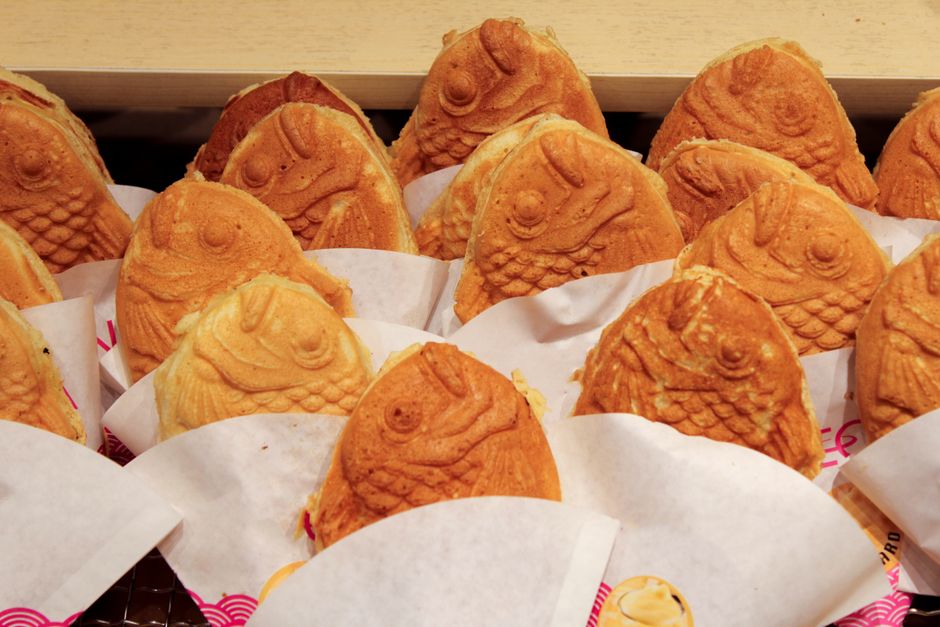
Taiyaki is a beloved Japanese street food consisting of a pancake or waffle-like batter baked into the shape of a sea bream. This warm, handheld treat is traditionally filled with sweet red bean paste, though modern variations often include custard, chocolate, or other sweet fillings. It serves as a staple of Japanese culinary culture, frequently found at festivals, convenience stores, and specialized shops across the country.
History
The origins of taiyaki trace back to the early 20th century, specifically around 1909, during the Meiji period. It evolved from an earlier snack known as imagawayaki, which consisted of red bean paste wrapped in a simple flour skin and cooked in a circular mold. According to the Japan Travel Guide MATCHA, the original shop where taiyaki was invented, Naniwaya Sōhonten, remains in operation in the Azabu Juban neighborhood of Tokyo. The choice of the sea bream shape was intentional, as the fish is known as tai in Japanese and serves as a symbol of good fortune and prosperity.
The popularity of the snack grew significantly by the early Showa period, aided by the expansion of the national railway network and sales in department stores. Beyond its culinary status, taiyaki became a cultural icon in 1975 with the release of the children's song Oyoge! Taiyaki-kun, which tells the story of a fish-shaped cake seeking freedom. This song became the best-selling single in Japan at the time, cementing the pastry's place in the national consciousness. Today, the snack continues to bridge generations, serving as both a nostalgic comfort food and a popular item for international visitors.
Cultural Traditions
Taiyaki is deeply connected to the cultural significance of the sea bream in Japan, which is often served during weddings, New Year celebrations, and the 100th day after a baby's birth. The linguistic connection between the fish name tai and the word medetai, meaning auspicious or happy, reinforces its role as a celebratory food. While it is enjoyed year-round, the warmth of the pastry makes it a particularly popular choice during the cold winter months. It is typically served fresh off the grill, allowing consumers to enjoy the contrast between the crispy exterior and the soft, sweet interior.
Taiyaki Recipe
A classic Japanese street food featuring a crisp, golden exterior and a warm, sweet red bean center.
Prep time: 15 min | Cook time: 15 min | Total time: 30 min | Yield: 10 servings | Difficulty: Medium
Ingredients
- 200g all-purpose flour
- 2 tsp baking soda
- 150ml water
- 100ml milk
- 1 tbsp sugar
- 1 pinch salt
- Red bean paste (anko), as needed
Instructions
- Whisk the flour, baking soda, sugar, and salt together in a large bowl.
- Gradually add the water and milk to the dry ingredients, mixing until the batter is smooth and free of large lumps.
- Preheat your fish-shaped taiyaki mold over medium heat and lightly grease the plates if necessary.
- Pour the batter into the fish-shaped molds until they are about half full.
- Place a generous spoonful of red bean paste into the center of the batter.
- Pour additional batter over the red bean paste to cover it completely and close the mold.
- Cook for approximately 5 minutes, flipping the mold occasionally, until the taiyaki is golden brown and crispy on both sides.
- Remove from the mold and serve immediately while warm.
Notes
Taiyaki is best enjoyed fresh while the exterior remains crisp. While red bean paste is the traditional filling, you may substitute it with custard cream, chocolate, or sweet potato paste to suit your preference. If you are using a non-stick mold, you may find that you do not need to add extra oil to the pan during the cooking process.
You've reached your free article limit
You've read 10 of 10 free articles this month. Subscribe to Planet Earth News Network for unlimited access to neutral, global journalism — plus puzzles, podcasts, and the weekly newsletter.
Already a subscriber? Sign in.
Subscribers can ask the journalist a question about this story. Subscribe to ask.
Food of the Day feature with recipe by the PENN Food & Spirits Desk.
Comments
No comments yet — be the first to share your thoughts.
PENN's lifestyle and culinary department, covering global cuisine — the origins, traditions, and recipes behind the world's dishes, with deep histories and cultural context that go beyond the plate. and PENN's beverage-focused culinary team, dedicated to spirits and drinks — covering distilleries, breweries, and producers worldwide, with histories, tasting notes, professional reviews, and cocktail traditions.
View all articles by Desk →

