Travelen
Frecciarossa Conducts Test Runs in Germany and Austria for Direct High-Speed Rail Connections to Munich
Italian operator Trenitalia tests Frecciarossa high-speed trainsets between Milan, Rome, and Munich to advance cross-border rail competition across Western and Central Europe.
PENN Explainer
Hear this story explained in 90 seconds.
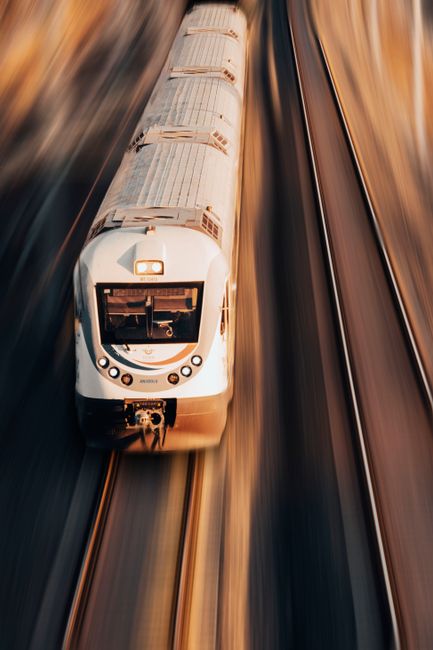
Italian rail operator Trenitalia has officially begun test operations for its flagship Frecciarossa high-speed trains on rail tracks in Germany and Austria. The technical trial runs mark a critical step toward introducing direct high-speed passenger rail service between Rome, Milan, and Munich. Industry observers view the move as a major stride in expanding seamless, cross-border train travel across the European continent.
During testing operations, a Frecciarossa trainset was stationed at Kinding station in Germany to conduct key system-compatibility and infrastructure evaluations. These trial procedures are essential for testing signaling compatibility, overhead electrical voltage shifts, and braking performance under local regulatory standards. Railway authorities must verify that the Italian-built trains can operate safely and smoothly alongside regional and freight traffic across multiple sovereign rail corridors.
Once testing phases conclude and regulatory certifications are finalized, the planned passenger route will create a direct land transit connection between northern and central Italian metropolitan hubs and the capital of Bavaria. Currently, international passengers traveling between these destinations typically face rail connections requiring transfers, extended regional legs, or reliance on commercial aviation. Trenitalia aims to make the cross-border itinerary competitive with regional short-haul flights in both travel duration and convenience.
The venture reflects a growing pattern of open-access passenger rail competition unfolding across the European Union under standard interoperability frameworks. Trenitalia has already expanded outside its home borders with passenger operations in France under the Trenitalia France brand and in Spain under the Iryo joint venture. Pushing operations northward into Austria and Germany represents the operator's latest effort to build an integrated international high-speed network.
Expanding international rail connectivity aligns with broader European transit policies that promote low-emission transportation alternatives. High-speed rail produces substantially lower greenhouse gas emissions per passenger-kilometer compared to short-haul aviation and private automobile travel. Industry advocates stress that offering direct, reliable services without cumbersome transfers is crucial to convincing leisure and business travelers to switch to rail.
The route across the Alps presents unique operational and logistical hurdles for international passenger operators. Trains running from Italy into Austria and Germany must navigate varied geographical terrain as well as multi-system electrical grids and signaling standards across distinct national jurisdictions. Trenitalia engineers and technicians are running the current trials specifically to address these cross-border technical variances.
German railway infrastructure operator DB InfraGO and Austrian rail authorities are collaborating with Italian teams to coordinate schedule capacity along the busy transalpine routes. Securing scheduled track access slots across congested transit corridors, especially around Alpine valleys and terminal hubs such as Munich Central Station, requires long-term planning and strict regulatory clearance.
Local tourism boards in Lombardy, Bavaria, and the central Italian regions have expressed optimism about the proposed direct connections. Industry groups note that simplified cross-border rail access often boosts regional tourism spending by encouraging extended weekend trips and cultural exchanges. Direct travel options also reduce airport terminal transfers and baggage-handling delays for international vacationers.
While Trenitalia has not published an exact commercial launch date for scheduled ticket sales, successful testing moves the initiative into the formal licensing and homologation stages. Aviation and rail market analysts will be closely monitoring how the service performs once fully operational. The arrival of Frecciarossa trains in Munich could serve as a template for further multi-country high-speed expansions throughout the continent.
Ask the Author
Subscribers can ask the journalist a question about this story. Subscribe to ask.
中立性说明
Auto-harvested from global news wires and presented neutrally by PENN.
to vote
Comments
No comments yet — be the first to share your thoughts.