French Senate Advances Controversial Bill Impacting Peaceful Protest Rights
New legislation faces criticism from human rights organizations for potentially undermining freedom of assembly and expression.

PENN Explainer
Hear this story explained in 90 seconds.
A draft law currently moving through the French legislative process has drawn significant concern from international human rights groups. The bill, which passed its first reading in the French Senate on October 27, 2026, includes measures that critics argue could severely restrict the rights to peaceful assembly and freedom of expression. Human Rights Watch has stated that these provisions appear incompatible with France’s existing human rights treaty obligations.
The proposed legislation is colloquially referred to as the "vandals pay" bill. Its primary focus involves holding individuals accountable for damages caused during public demonstrations. While the government maintains that the bill aims to protect public and private property, opponents fear it will create a chilling effect on citizens who wish to exercise their right to protest.
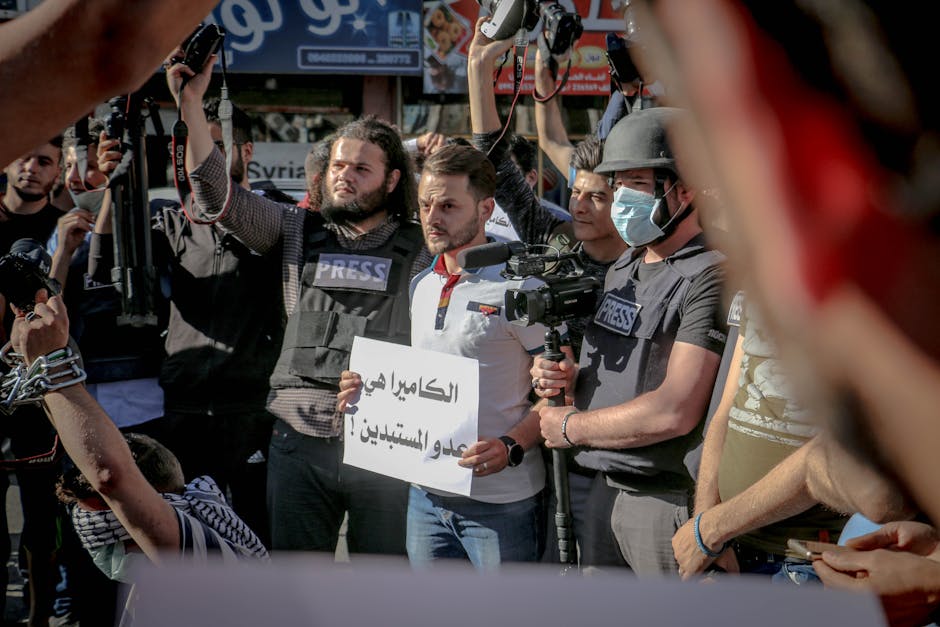
Human rights advocates emphasize that the right to peaceful assembly is a cornerstone of democratic society. They argue that the language in the current draft is overly broad and could be used to penalize peaceful protesters for the actions of others. This concern is particularly acute given the history of social movements in France that rely on public demonstrations to voice grievances.
International observers are closely monitoring the situation as the bill moves toward further debate. The Council of Europe has previously issued guidance on the importance of protecting human rights during migration management and public order operations. Experts suggest that any new legislation must be carefully balanced to ensure that security measures do not infringe upon fundamental civil liberties.
Supporters of the bill argue that it provides necessary tools for local authorities to manage the costs associated with property destruction during riots or violent protests. They contend that businesses and taxpayers should not bear the financial burden of damages caused by illegal acts. Proponents believe the law will encourage more responsible behavior during public gatherings.
However, civil society organizations remain skeptical of these justifications. They point out that existing laws already provide mechanisms for prosecuting individuals who commit acts of violence or vandalism. The introduction of new, more restrictive measures is seen by some as an unnecessary escalation that targets the act of protesting itself.
Legal scholars have also raised questions about the potential for the bill to be applied in a discriminatory manner. There is concern that the law could be used to target specific groups or political movements more frequently than others. Ensuring that the law is applied fairly and transparently is a primary demand of those opposing the legislation.
As the debate continues, the French government faces pressure to reconcile its security objectives with its international commitments. The outcome of this legislative process will likely serve as a benchmark for how the country balances public order with the protection of democratic rights. Many are calling for amendments that would clarify the scope of the bill and protect the rights of peaceful participants.
This development in France occurs within a broader global context of shifting attitudes toward civil liberties. Across various regions, governments are increasingly grappling with the challenge of maintaining order while respecting the rights of their citizens to dissent. The international community continues to watch these developments to ensure that human rights standards are upheld.
Moving forward, the next stages of the legislative process will be critical for determining the final form of the bill. Civil society groups have pledged to continue their advocacy efforts to ensure that any final version of the law respects the principles of freedom of speech and assembly. The dialogue between the government and these organizations remains a central feature of the ongoing debate.
You've reached your free article limit
You've read 10 of 10 free articles this month. Subscribe to Planet Earth News Network for unlimited access to neutral, global journalism — plus puzzles, podcasts, and the weekly newsletter.
Already a subscriber? Sign in.
Ask the Author
Subscribers can ask the journalist a question about this story. Subscribe to ask.
Neutrality note
Auto-harvested from global news wires and presented neutrally by PENN.
to vote
Comments
No comments yet — be the first to share your thoughts.