Geomagnetic Superstorm Disrupts GPS Accuracy Across the United States
A powerful solar event caused widespread navigation errors, though experts suggest its timing may have prevented significant agricultural damage.
PENN Explainer
Hear this story explained in 90 seconds.
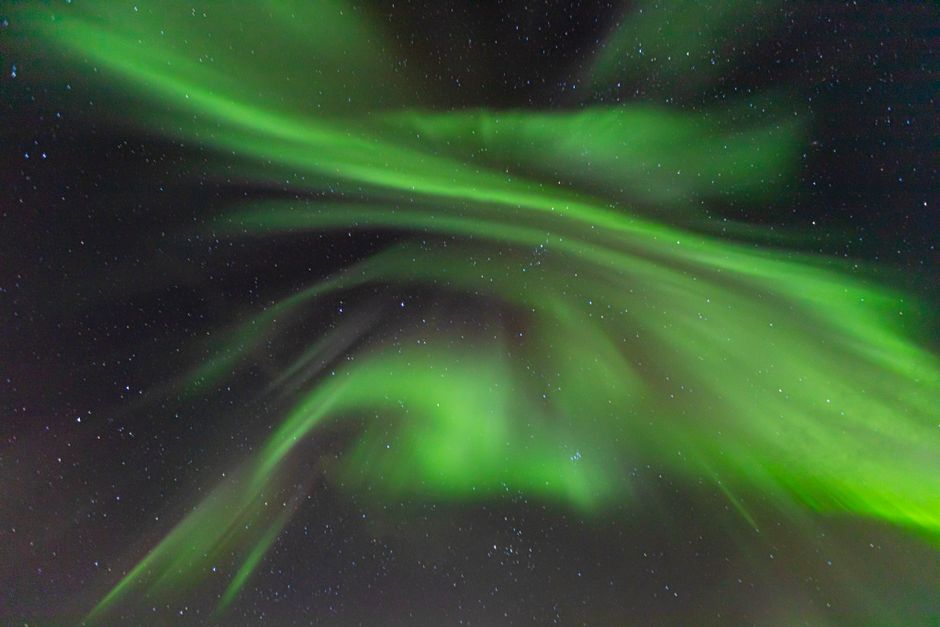
A powerful geomagnetic superstorm recently swept across the United States, causing significant disruptions to Global Positioning System (GPS) accuracy. These storms occur when solar activity, such as solar flares or coronal mass ejections, interacts with the Earth's magnetic field. The resulting disturbances can interfere with the satellite signals that millions of people and industries rely on for precise location data. While the event caused widespread technical challenges, it also provided researchers with a rare opportunity to study the resilience of modern navigation infrastructure.
Experts in space weather have been monitoring the sun's activity closely as it approaches a peak in its natural cycle. When these solar particles reach Earth, they can create electrical currents in the upper atmosphere, which in turn distort the signals sent by GPS satellites. This specific storm was notable for its intensity and the speed at which it affected regional networks. Many users reported that their devices were off by several meters, a margin of error that can be critical for automated systems.
One of the most significant concerns during such events is the impact on precision agriculture. Modern farming relies heavily on GPS-guided tractors and drones to plant seeds, apply fertilizer, and harvest crops with extreme accuracy. If these systems fail during peak operational windows, it can lead to wasted resources and reduced crop yields. Fortunately, analysts noted that the timing of this particular storm occurred during a period when many agricultural activities were paused, potentially averting widespread economic losses.
Beyond agriculture, the storm highlighted the vulnerability of other sectors that depend on precise timing and location. Logistics companies, aviation, and maritime shipping all utilize GPS for safety and efficiency. During the event, operators had to switch to backup systems or manual navigation to ensure continued safety. This reliance on secondary methods underscores the importance of developing more robust navigation technologies that can withstand solar interference.
Researchers are now analyzing the data collected during the storm to better understand how these events propagate through the atmosphere. By studying the specific patterns of signal degradation, scientists hope to improve the predictive models used to warn industries about incoming solar weather. These advancements are essential as society becomes increasingly dependent on satellite-based technologies for daily operations.
This event serves as a reminder of the interconnected nature of our modern world and the space environment. As we continue to expand our reliance on digital infrastructure, the ability to forecast and mitigate the effects of space weather becomes a matter of national and global security. International cooperation in monitoring the sun remains a top priority for space agencies and research institutions worldwide. Future missions are already being planned to place more sensors in orbit to provide earlier warnings for similar events.
Ask the Author
Subscribers can ask the journalist a question about this story. Subscribe to ask.
Neutrality note
Auto-harvested from global news wires and presented neutrally by PENN.
to vote
Comments
No comments yet — be the first to share your thoughts.