
German Residential Construction Shows Signs of Recovery Amid Persistent Industry Challenges
While building permits for new housing units have increased, industry leaders warn that high costs and order cancellations continue to hinder a full market turnaround.
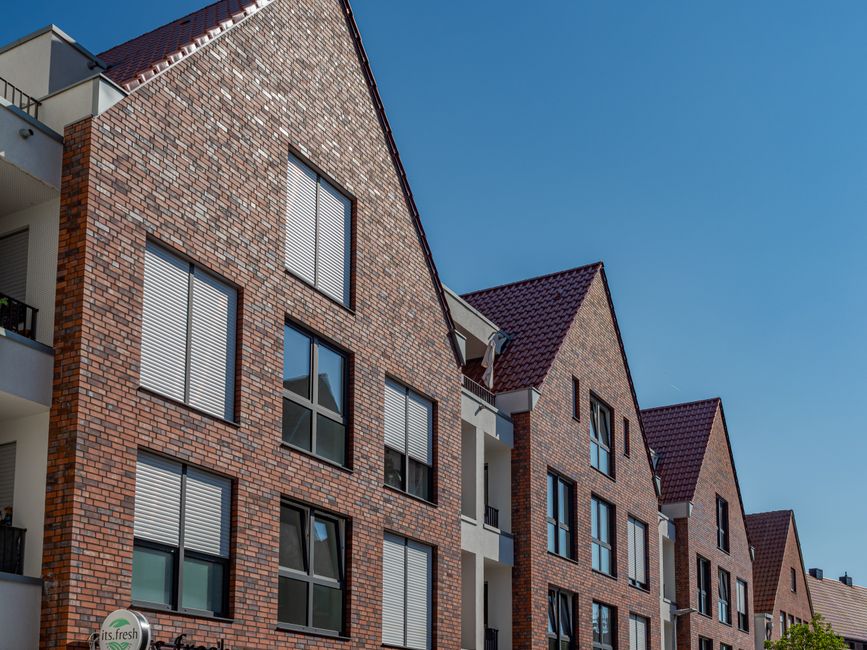
PENN Explainer
Hear this story explained in 90 seconds.
Germany is seeing a modest rise in residential building permits during the first half of 2026, offering a potential signal of change for the nation's struggling housing sector. Official figures analyzed by the construction industry association Bauindustrie show a 12.9 percent increase in permits for residential units over the first seven months of the year compared to the same period in 2025. This uptick follows a difficult year in 2025, when housing completions dropped to their lowest level in over a decade.
Despite the rise in approved permits, experts caution that the sector has not yet reached a definitive turning point. Tim-Oliver Müller, the director general of Bauindustrie, noted that while the permit data is an important signal, it does not reflect the full reality of the market. Incoming orders remain in negative territory, and the industry continues to face a high rate of project cancellations.
High construction costs and elevated interest rates remain the primary obstacles for developers and investors. These financial pressures have made it difficult to move projects from the planning stage to actual construction. As a result, leading economic research institutes have revised their forecasts downward, anticipating a continued decline in construction investment for the remainder of 2026.
Regional dynamics across Germany show varying levels of activity in the housing market. Major cities like Hamburg, Berlin, and Frankfurt have reported significant increases in issued permits, with Hamburg seeing a 44.6 percent rise. However, the actual completion of these units remains a challenge as developers navigate complex regulatory environments and rising material expenses.
Rental markets in large cities are also adjusting to these new economic conditions. In many western German cities, new-build rents in the range of 18 to 20 euros per square meter have become a new standard for economically viable development. Analysts suggest that these price levels are not merely a short-term spike but represent a new normal for the housing sector.
In Berlin, the housing market has shown signs of stabilization at a high level, though new construction activity is increasingly shifting toward the city's outskirts. Inner-city development potential has largely been exhausted, with only a small fraction of new apartments currently being built within the central S-Bahn ring. This shift reflects the broader difficulty of finding available land for large-scale residential projects in dense urban areas.
Commercial real estate, particularly the office sector, is also experiencing its own set of pressures. While office properties remain a significant asset class, vacancy rates have risen across Germany's seven largest office markets. The average vacancy rate reached 8.5 percent by mid-year 2026, up from 7.7 percent at the same time in 2025.
Investors are currently showing a preference for repositioning older buildings rather than funding new large-scale office developments. This trend is driven by opportunities for environmental upgrades and changes in building use. Financial liquidity remains available, but investors are becoming more selective, focusing on assets that offer long-term stability.
Policy discussions continue to center on how the federal government can better support the housing sector. Industry groups have urged officials to accelerate the implementation of the Building Type E standard, which aims to simplify construction regulations. There is also a push to ease permit processes for the conversion of existing office spaces into residential units.
Looking ahead, the gap between the demand for affordable housing and the current rate of construction remains a critical issue. With an estimated need for hundreds of thousands of new units annually, the industry is calling for a more supportive market environment. The path to recovery will likely depend on a combination of lower financing costs and more efficient administrative processes.
You've reached your free article limit
You've read 10 of 10 free articles this month. Subscribe to Planet Earth News Network for unlimited access to neutral, global journalism — plus puzzles, podcasts, and the weekly newsletter.
Already a subscriber? Sign in.
Ask the Author
Subscribers can ask the journalist a question about this story. Subscribe to ask.
Neutrality note
Auto-harvested from global news wires and presented neutrally by PENN.
to vote
Comments
No comments yet — be the first to share your thoughts.
Related stories in Real Estate & Housing

Australian Property Investment Plummets as Housing Finance Market Contracts
2026-11-14
Australian Investor Lending Hits Record Low Amid Market Contraction
2026-11-14