
Global Art Community Mourns the Passing of Japanese Artist Yayoi Kusama at 97
The "Princess of Polka Dots" leaves behind a legacy of immersive installations and avant-garde works that redefined contemporary art.
PENN Explainer
Hear this story explained in 90 seconds.
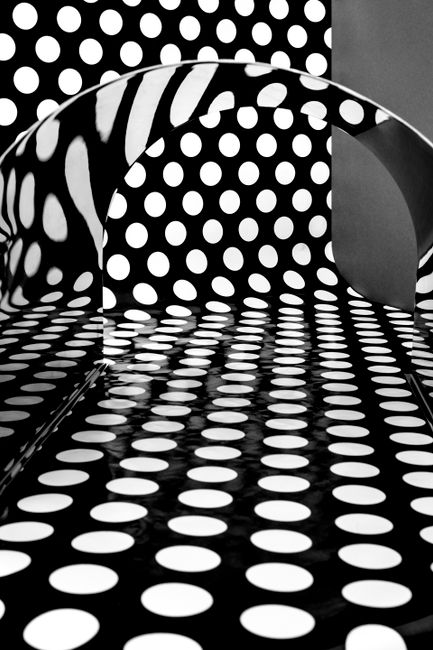
Yayoi Kusama, the world-renowned Japanese contemporary artist, has passed away at the age of 97. She was famous for her extensive use of polka dots and her immersive "Infinity Mirror Rooms." Her death marks a significant moment for the global art community, as she was one of the most recognizable and successful living artists. The news of her passing has prompted tributes from museums and galleries across the world.
Born in 1929 in Matsumoto, Japan, Kusama began her artistic career in the 1950s. She moved to New York City in 1958, where she became a central figure in the avant-garde scene. During this time, she worked alongside famous artists like Andy Warhol and Claes Oldenburg. She quickly gained attention for her unique style, which often involved repetitive patterns and large-scale installations.
Kusama was best known for her "Infinity Net" paintings and her obsession with polka dots. She often described her work as a way to cope with hallucinations she had experienced since she was a child. These visions involved fields of dots that seemed to cover everything in her environment. By painting these patterns, she felt she could manage the overwhelming nature of her experiences.
One of her most popular contributions to modern art was the creation of immersive installations. These rooms used mirrors and hanging lights to create the illusion of a never-ending space. They became global sensations in recent years, often drawing hours-long lines at museums. Visitors were frequently limited to just 30 or 60 seconds inside the rooms due to their immense popularity.
In 1973, Kusama returned to Japan due to ongoing health issues. Since 1977, she voluntarily lived in a psychiatric hospital in Tokyo to receive consistent care. However, she continued to work daily in a private studio located just across the street from the facility. This disciplined routine allowed her to remain productive well into her nineties.
While she was always respected by critics, her fame reached new heights in the 21st century. Major retrospectives of her work were held at the Tate Modern in London and the Whitney Museum in New York. She became one of the most successful female artists in history in terms of auction prices. Her work appealed to both serious art collectors and the general public.
Kusama also made a significant mark in the world of fashion and commercial design. She collaborated with the luxury brand Louis Vuitton on two major collections that featured her signature patterns. These partnerships brought her polka dots to clothing, handbags, and storefronts in major cities worldwide. These collaborations helped make her a household name far beyond the traditional art world.
In 2017, a museum dedicated entirely to her work opened in the Shinjuku district of Tokyo. The five-story building showcases her paintings, sculptures, and large-scale installations. It serves as a permanent home for her creative legacy and continues to attract visitors from around the globe. The museum was a personal project that Kusama hoped would inspire future generations.
Critics and fellow artists have praised her for her unique vision and persistence. She influenced several major movements, including Pop Art, Minimalism, and Feminist Art. Her work bridged the gap between high-level gallery art and popular culture. Many experts believe her influence will be felt for decades to come as new artists study her techniques.
Following the news of her passing, museum directors and curators shared their condolences and memories. Many noted that her ability to connect with people of all ages and backgrounds was rare. Her art was often described as both deeply personal and universally accessible. Tributes highlighted her role as a pioneer for women in the male-dominated art world of the mid-20th century.
At the time of her death, several major exhibitions of her work were ongoing or planned. A retrospective at the M+ museum in Hong Kong had recently highlighted her decades of creative production. These shows are expected to draw even larger crowds as fans visit to pay their respects. Museums are currently discussing how to best honor her long and varied career.
Kusama often spoke about the concept of "self-obliteration" through her repetitive patterns. She believed that by repeating dots, she could lose herself in the vastness of the universe. This philosophy remained a constant theme throughout her seventy-year career. It provided a spiritual and psychological depth to her work that resonated with many viewers.
The artist's estate and foundation will continue to manage her vast collection of works and archives. Her influence is expected to last for generations as new audiences discover her immersive environments. She leaves behind a body of work that fundamentally redefined how people interact with and experience contemporary art. Her legacy remains a testament to the power of creative expression.
Ask the Author
Subscribers can ask the journalist a question about this story. Subscribe to ask.
Заметка о нейтральности
Auto-harvested from global news wires and presented neutrally by PENN.
to vote
Comments
No comments yet — be the first to share your thoughts.
Related stories in Art and Culture
Denver Art Museum Announces Major Exhibition on Indigenous Latin American Art
2026-09-25
The Louvre Lends Historic Islamic Masterpieces to the Smithsonian in Washington, D.C.
2026-09-25