
Global Displacement Reaches Record Highs Amid Escalating Humanitarian Needs
New data reveals over 117 million people are forcibly displaced worldwide as conflicts and violence continue to drive record-breaking migration.
PENN Explainer
Hear this story explained in 90 seconds.
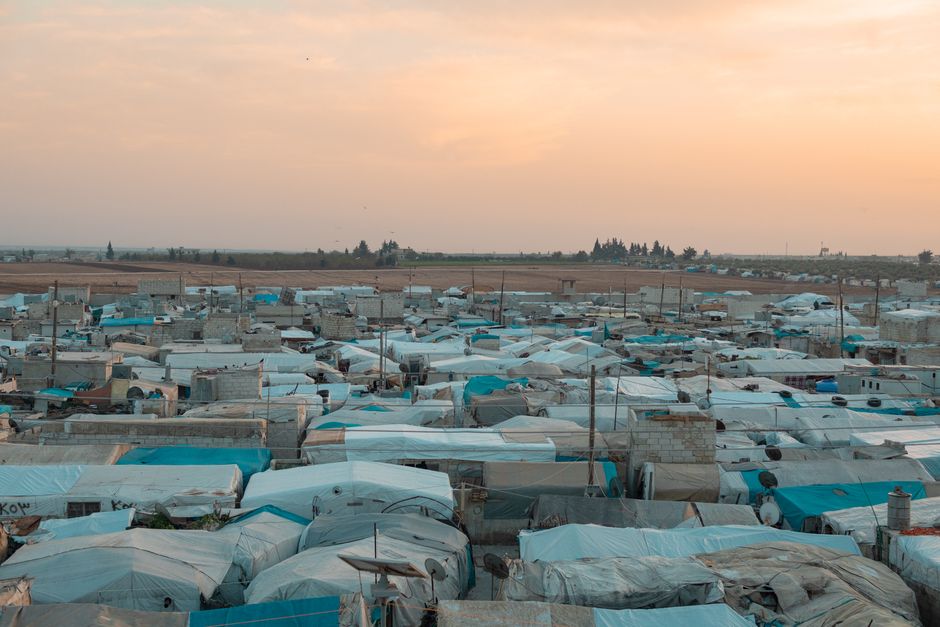
The number of people forcibly displaced by conflict and violence has reached a record high of over 117 million individuals globally. This figure includes approximately 42.5 million refugees who have been forced to flee their home countries to seek safety elsewhere. These statistics, highlighted in the Global Humanitarian Overview 2026, underscore a deepening crisis that continues to challenge international aid organizations. The total number of displaced persons has nearly doubled over the past decade, rising from about 60 million in 2014 to current levels.
This trend reflects a decade of persistent instability and the failure of diplomatic efforts to resolve long-standing regional conflicts. Sudan currently remains the site of the world’s largest displacement crisis, with millions of people affected by ongoing internal fighting. Significant increases in internal displacement have also been recorded in Myanmar and South Sudan, where violence continues to disrupt civilian life. Haiti has seen its internal displacement numbers double between September 2024 and October 2025, further straining local resources.
Humanitarian experts warn that these figures represent more than just data points, as each number reflects a life interrupted by war or persecution. Tom Fletcher, the Under-Secretary-General for Humanitarian Affairs and Emergency Relief Coordinator, has called for a renewed global commitment to solidarity. He emphasized that 2026 must be a year where the international community chooses collective action over indifference to address these mounting needs. Access to basic necessities like food, water, and shelter remains severely restricted for those caught in these crises.
International aid groups are struggling to maintain operations as the scale of the need continues to outpace available funding and resources. The situation is further complicated by the fact that many displaced populations are trapped in active conflict zones where humanitarian access is limited. Future efforts to mitigate this crisis will likely require a combination of increased financial support and more robust diplomatic engagement to address the root causes of displacement. Without significant changes to the current trajectory, aid agencies expect the number of displaced people to remain at historic highs for the foreseeable future.
You've reached your free article limit
You've read 10 of 10 free articles this month. Subscribe to Planet Earth News Network for unlimited access to neutral, global journalism — plus puzzles, podcasts, and the weekly newsletter.
Already a subscriber? Sign in.
Ask the Author
Subscribers can ask the journalist a question about this story. Subscribe to ask.
Nota de neutralidade
Auto-harvested from global news wires and presented neutrally by PENN.
to vote
Comments
No comments yet — be the first to share your thoughts.
Related stories in World/International

Israeli Political Landscape Shifts as Gadi Eisenkot Attempts to Form New Government
2026-11-09
Tens of Thousands of Workers Protest Across France Over Economic Conditions
2026-11-08