Global Fashion Industry Launches New Initiatives to Scale Textile Recycling
Industry leaders and organizations are implementing new blueprints and data projects to overcome barriers in textile-to-textile recycling.
PENN Explainer
Hear this story explained in 90 seconds.
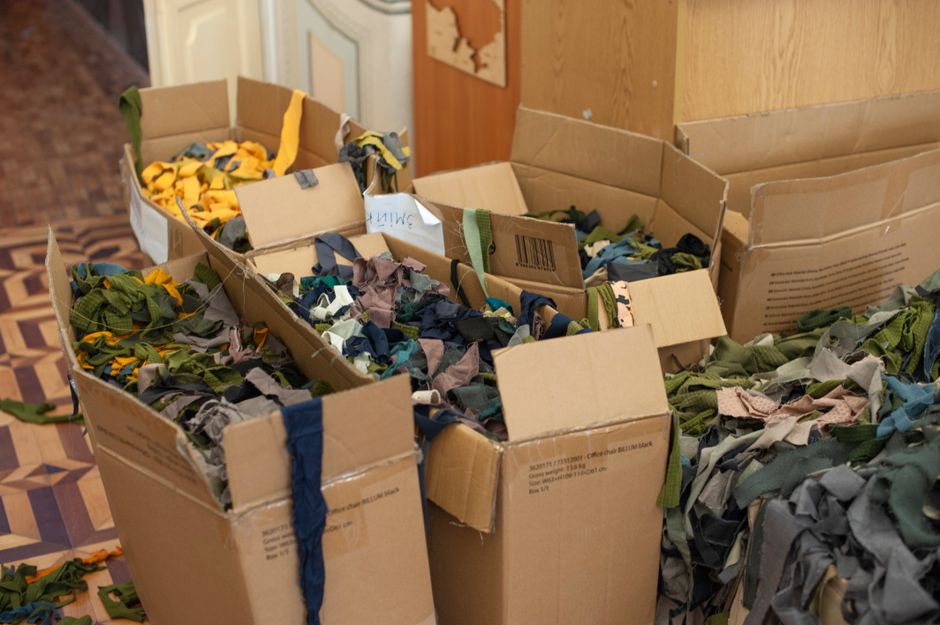
The global fashion industry is currently undergoing a significant shift as organizations and brands work to address the low rates of textile-to-textile recycling. While the sector has long relied on fast fashion models that prioritize inexpensive, disposable clothing, new regulatory pressures and sustainability goals are forcing a change in business practices. Recent data indicates that less than one percent of discarded garments are currently recycled into new clothing, highlighting a major gap in the circular economy.
To address this, the Global Fashion Agenda, in partnership with ReHubs, recently unveiled the 2030 Circularity Blueprint. This plan was presented at the Global Fashion Summit in Copenhagen and outlines a structured path to improve recycling infrastructure. The blueprint focuses on eight intervention areas, including the development of a Textile Waste Intelligence Platform to better track and manage discarded materials.
Industry experts emphasize that the transition to commercial maturity for recycling remains delicate due to significant financing challenges. Building the necessary sorting and collection infrastructure requires substantial capital, which has proven difficult for many companies to secure. Some firms have already faced operational downsizing or the removal of collection containers as they struggle to find sustainable business models.
In addition to infrastructure, the industry is tackling the technical quality of recycled materials. Fashion for Good recently launched the Cotton Reloop Matrix Project to validate the quality of commercially available recycled cotton yarns. By mapping how quality and price intersect, the project aims to help brands match recycled materials to their specific product requirements.
This initiative seeks to move the industry away from the expectation of virgin material parity. Instead, it encourages manufacturers to focus on materials that are fit for purpose, even if they have different performance profiles than new fibers. The project will eventually produce a universal standard operating procedure to support consistent manufacturing across global supply chains.
Regulatory changes are also playing a major role in shaping these developments. The European Union has implemented a ban on the destruction of unsold clothing and footwear by large companies, a measure that is now being extended to medium-sized businesses. These policies are designed to discourage waste and incentivize companies to adopt more circular business models.
Regional efforts are also expanding to support these global goals. The Global Fashion Agenda has launched a specific partnership in Türkiye to build a national system for capturing and recycling post-industrial textile waste. This program aims to help local suppliers prepare for evolving international regulations while strengthening the country's competitiveness in the global market.
Despite these advancements, the industry faces a complex supply chain where nearly 80 percent of recycling-related jobs remain informal. Experts note that the precarious nature of this labor force presents a hurdle for scaling operations effectively. Addressing these social and logistical gaps is considered essential for the long-term success of circular fashion.
Consumer behavior is also shifting, with growing interest in repair, resale, and rental services. Research from the Waste and Resources Action Programme in the United Kingdom shows that a majority of consumers are open to using repair services for their clothing. Brands are increasingly exploring these models to keep items in circulation for longer periods.
Looking ahead, the industry must continue to balance innovation with the realities of global trade. As new data infrastructure and recycling standards are established, the focus will likely remain on scaling these solutions to meet the 2030 targets. The success of these efforts will depend on continued coordination between brands, policymakers, and recycling infrastructure operators.
You've reached your free article limit
You've read 10 of 10 free articles this month. Subscribe to Planet Earth News Network for unlimited access to neutral, global journalism — plus puzzles, podcasts, and the weekly newsletter.
Already a subscriber? Sign in.
Ask the Author
Subscribers can ask the journalist a question about this story. Subscribe to ask.
Neutrality note
Auto-harvested from global news wires and presented neutrally by PENN.
to vote
Comments
No comments yet — be the first to share your thoughts.
Related stories in Fashion & Beauty Industry

Luxury Fashion Houses Appoint New Creative Leadership to Drive Brand Evolution
2026-11-16
Global Beauty Industry Sees Surge in M&A Activity Despite Lower Deal Values
2026-11-16