Global Gaming Hardware Market Projects Significant Growth Through 2035
Industry analysts forecast steady expansion as consumer demand for high-performance computing and specialized gaming equipment continues to rise.
PENN Explainer
Hear this story explained in 90 seconds.
The global gaming hardware market is currently experiencing a period of sustained growth and technological evolution. Industry reports indicate that the sector was valued at approximately 41.06 billion dollars in 2025. Analysts now project a compound annual growth rate of 6.51 percent over the next decade. This trajectory suggests the market could reach a valuation of 77.15 billion dollars by 2035.
Recent data highlights a shift in consumer preferences toward more powerful computing components. PC gaming hardware is increasingly moving toward higher video random access memory graphics processing units. Eight-core central processing units are also becoming a standard requirement for modern gaming setups. These hardware upgrades are necessary to support the increasing graphical demands of contemporary software.
Market trends show that 16 gigabyte graphics cards have finally overtaken 8 gigabyte models in popularity among users on the Steam platform. This transition reflects a broader industry move toward higher performance standards. Gamers are prioritizing components that offer better longevity and improved processing capabilities. Manufacturers are responding by focusing production on these higher-tier specifications.
Handheld gaming devices are also emerging as a significant segment of the hardware market. Rapid improvements in mobile hardware technology allow these devices to offer performance levels previously reserved for desktop systems. This portability is attracting a new demographic of players who value flexibility in their gaming experience. Smaller, more efficient hardware designs are expected to remain a key focus for developers.
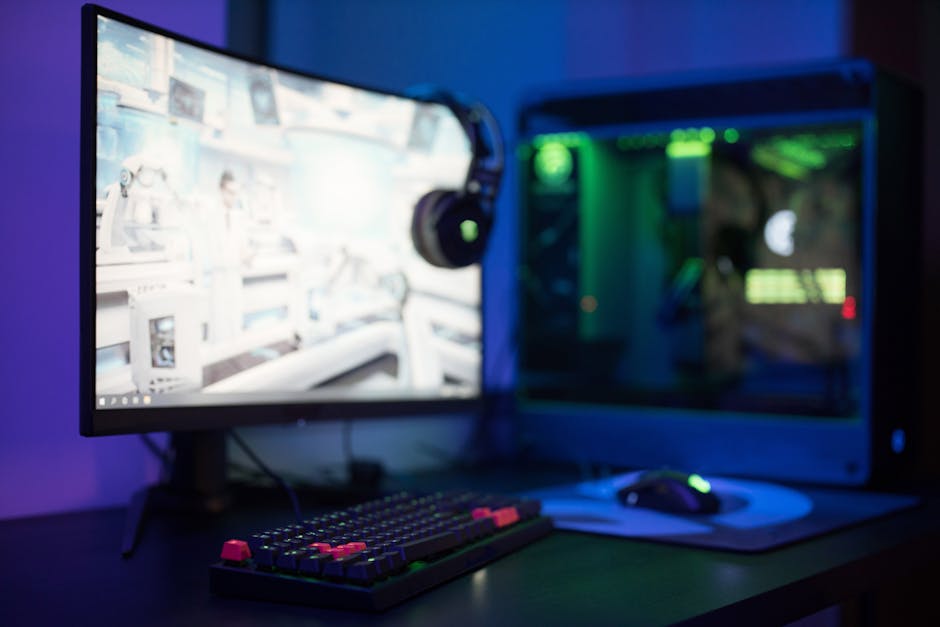
Customization remains a major driver for consumer spending within the gaming community. Players are investing heavily in high-refresh-rate monitors and ergonomic furniture to enhance their play environments. LED-integrated keyboards and personalized aesthetic setups have become common features in modern gaming rooms. These additions allow individuals to tailor their equipment to match their specific functional and visual preferences.
Artificial intelligence is playing an increasingly prominent role in the development of gaming hardware and software. AI-driven voice technology is being integrated into various platforms to improve user interaction and accessibility. Cloud gaming and streaming services continue to emerge as viable alternatives to traditional hardware-dependent play. These technologies aim to reduce the barrier to entry for high-end gaming experiences.
Economic factors continue to influence the accessibility of gaming hardware for the average consumer. Reports from 2026 suggest that price volatility remains a concern for those looking to build or upgrade their systems. Fluctuations in the cost of essential components like random access memory can impact overall market stability. Industry observers are monitoring these price trends closely to understand their long-term effects on consumer behavior.
Virtual reality and augmented reality technologies are also evolving to meet changing market demands. These immersive platforms require specialized hardware that continues to see incremental improvements in resolution and tracking accuracy. While these technologies represent a smaller portion of the total market, they remain a focal point for innovation. Companies are investing in these areas to capture interest from enthusiasts seeking new ways to interact with digital worlds.
Strategic investments from major technology firms are helping to fuel this ongoing expansion. The demand for high-performance gaming equipment is not limited to a single region but is a global phenomenon. As infrastructure for high-speed internet improves, the reach of cloud-based gaming services is expected to expand further. This connectivity will likely play a crucial role in shaping the future of the industry.
Looking ahead, the industry is expected to maintain its momentum through the next decade. The combination of hardware innovation and software advancement will likely drive continued consumer interest. Stakeholders are preparing for a future where gaming hardware is more integrated into daily digital life. The coming years will determine how these various trends converge to define the next generation of gaming.
You've reached your free article limit
You've read 10 of 10 free articles this month. Subscribe to Planet Earth News Network for unlimited access to neutral, global journalism — plus puzzles, podcasts, and the weekly newsletter.
Already a subscriber? Sign in.
Ask the Author
Subscribers can ask the journalist a question about this story. Subscribe to ask.
中立性说明
Auto-harvested from global news wires and presented neutrally by PENN.
to vote
Comments
No comments yet — be the first to share your thoughts.