Global Initiatives Accelerate Mangrove Restoration to Bolster Coastal Resilience
New projects in Abu Dhabi, Indonesia, and beyond highlight the critical role of mangrove ecosystems in climate mitigation and biodiversity protection.
PENN Explainer
Hear this story explained in 90 seconds.
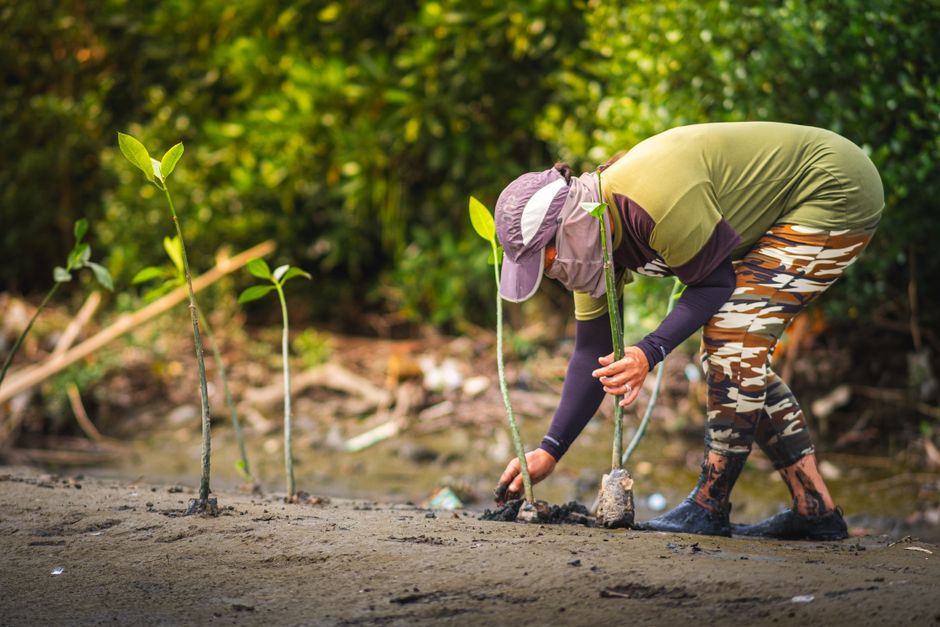
A surge of international efforts is currently underway to restore degraded mangrove forests, which serve as vital natural barriers against climate change. From the coastal regions of the United Arab Emirates to the river deltas of Indonesia, organizations are prioritizing these ecosystems for their unique ability to store carbon and protect shorelines. These initiatives combine scientific research with community-led action to ensure long-term environmental health. Mangroves are increasingly recognized as essential tools for coastal protection, as they act as natural buffers against storm surges and erosion.
By stabilizing soil and reducing the impact of rising sea levels, these forests provide a critical defense for vulnerable human infrastructure. Recent studies emphasize that protecting these areas is necessary to maintain their role in global carbon sequestration. In Abu Dhabi, the Environment Agency - Abu Dhabi has partnered with the company ALEC to launch a new hydrological mangrove restoration project. This initiative focuses on collecting ecological baseline data and monitoring biodiversity indicators to inform future conservation strategies.
The project represents a science-led approach to nature restoration that aims to generate measurable outcomes for the local environment. Similar efforts are expanding across the globe, with researchers identifying significant opportunities to restore mangroves in areas previously converted for aquaculture. In Southeast Asia and China, experts suggest that approximately 60 percent of former aquaculture ponds are suitable for ecological restoration. Restoring these sites could potentially remove millions of tons of carbon dioxide from the atmosphere while reviving lost marine habitats.
Indonesia, which houses some of the world's largest mangrove forests, remains a top priority for these large-scale restoration efforts. Projects like the Mahakam Mangrove Restoration in East Kalimantan aim to reverse forest decline by planting millions of native trees across thousands of hectares of degraded land. These efforts seek to balance the needs of local livelihoods with the necessity of rebuilding healthy, functional ecosystems. Community involvement is a recurring theme in successful restoration programs, as seen in projects across Kenya and El Salvador.
By training local stakeholders and utilizing traditional knowledge alongside digital tools, these initiatives turn conservation into a sustainable source of income. This holistic approach encourages natural regeneration, which often proves more effective than simply planting trees in isolation. As nations work toward the global goal of protecting 30 percent of the ocean by 2030, the focus is shifting toward effective management and financing. International organizations are collaborating to build governance bodies and complete management plans that ensure these coastal wetlands remain protected.
These frameworks are essential for maintaining the long-term viability of mangrove forests in a changing climate. Looking ahead, the success of these projects will depend on continued scientific monitoring and the integration of local communities into conservation planning. By prioritizing flood-tolerant species and restoring natural water flow, these efforts aim to create resilient landscapes capable of withstanding future environmental pressures. The ongoing expansion of these initiatives reflects a growing global commitment to nature-based solutions for climate resilience.
You've reached your free article limit
You've read 10 of 10 free articles this month. Subscribe to Planet Earth News Network for unlimited access to neutral, global journalism — plus puzzles, podcasts, and the weekly newsletter.
Already a subscriber? Sign in.
Ask the Author
Subscribers can ask the journalist a question about this story. Subscribe to ask.
Neutrality note
Auto-harvested from global news wires and presented neutrally by PENN.
to vote
Comments
No comments yet — be the first to share your thoughts.