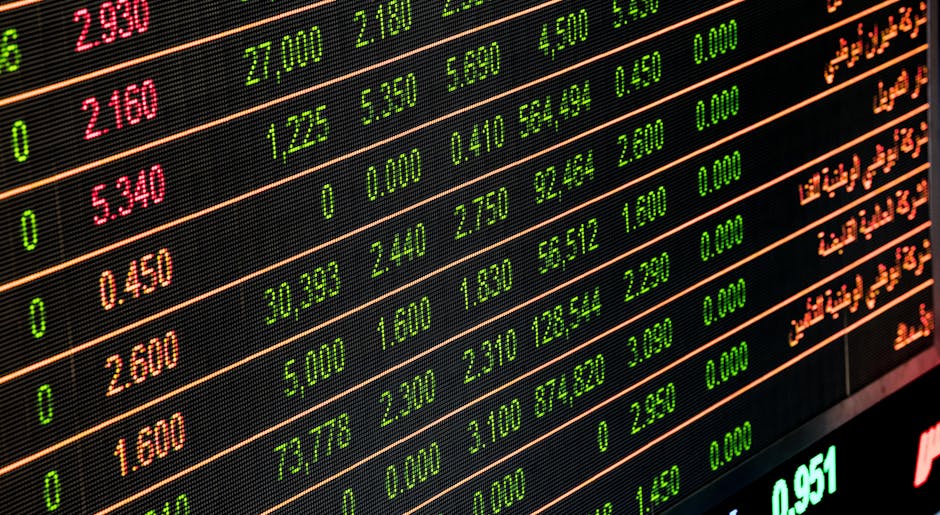
Global Luxury Market Shows Signs of Stabilization Following 2025 Downturn
Industry revenue grew by 0.6 percent in the first half of 2026, signaling a potential end to a period of significant contraction.
PENN Explainer
Hear this story explained in 90 seconds.
The global luxury industry experienced a modest recovery in the first half of 2026, recording a 0.6 percent increase in revenue. This growth follows a challenging period in 2025, during which the sector saw a 12.4 percent decline in revenue during the first half of the year. Data released by Deloitte in its 2026 Private Equity and Investors Survey indicates that the industry is moving from a phase of contraction toward stabilization.
Industry performance in 2025 was marked by a 2.4 percent drop in total revenue and a 9.5 percent decrease in EBITDA. These figures reflected broader economic volatility and geopolitical tensions that impacted luxury houses worldwide. The recent uptick suggests that while the market remains sensitive to external pressures, the most severe phase of the downturn may have passed.
Mergers and acquisitions continue to play a vital role in the sector's evolving business landscape. In 2025, the industry recorded 345 operations, representing a 3.6 percent increase from the previous year. The personal luxury goods segment was a primary driver of this activity, accounting for 145 of those deals.
Transaction values in the luxury space remain substantial, with the average deal reaching approximately $297 million. Investors and private equity firms are closely monitoring these movements as they seek to navigate a polarized market environment. This consolidation trend highlights the ongoing efforts of major houses to secure market share and operational efficiency.
Beyond financial metrics, the industry is undergoing a significant creative and leadership transition. Major fashion houses have appointed new artistic directors to refresh their brand identities and appeal to changing consumer preferences. These leadership changes are expected to influence the direction of upcoming runway collections and brand strategies.
Sustainability remains a non-negotiable priority for the sector despite economic fluctuations. Fashion brands are increasingly focusing on decarbonization efforts to align their environmental impact with long-term business value. Industry experts note that companies are under pressure to improve supply chain transparency and reduce their carbon footprint.
Regulatory changes are also pushing the industry toward greater circularity. New policies are beginning to ban the destruction of unsold inventory and provide support for the growing resale market. This shift is forcing brands to rethink their traditional business models to prioritize durability and resource efficiency.
Technological integration is further reshaping how luxury brands interact with their customers. Many companies are now utilizing artificial intelligence to optimize design processes and improve search visibility. These digital tools are helping brands reduce cycle times and respond more effectively to shifting market demands.
Regional markets are also evolving, with the Gulf Cooperation Council (GCC) emerging as a significant hub for beauty and luxury trends. The region is transitioning from a traditional import market to a source of original commercial models and digital influence. This shift reflects a broader trend of decentralization in the global luxury and beauty industries.
As the industry looks toward 2030, the focus remains on balancing growth with operational resilience. Brands that successfully integrate sustainable practices and adapt to new consumer behaviors are expected to lead the next phase of market development. The coming months will likely test the pricing power and strategic agility of luxury players across all segments.
You've reached your free article limit
You've read 10 of 10 free articles this month. Subscribe to Planet Earth News Network for unlimited access to neutral, global journalism — plus puzzles, podcasts, and the weekly newsletter.
Already a subscriber? Sign in.
Ask the Author
Subscribers can ask the journalist a question about this story. Subscribe to ask.
Neutrality note
Auto-harvested from global news wires and presented neutrally by PENN.
to vote
Comments
No comments yet — be the first to share your thoughts.
Related stories in Fashion & Beauty Industry

European Fashion Industry Pushes for Unified Textile Recycling Standards
2026-11-17
Luxury Fashion Houses Appoint New Creative Leadership to Drive Brand Evolution
2026-11-16