Global Negotiations on Plastic Pollution Treaty Face Continued Deadlock
International efforts to establish a binding agreement on plastic production and waste management remain stalled as nations struggle to find common ground.
PENN Explainer
Hear this story explained in 90 seconds.
International efforts to create a legally binding global treaty to end plastic pollution have faced significant challenges as negotiations continue to stall. Diplomats and representatives from countries around the world have met multiple times over the past three years to address the growing crisis of plastic waste. Despite these repeated sessions, a final agreement remains elusive as member states struggle to reconcile deeply divided positions on how to manage the plastic lifecycle.
The core of the disagreement lies in whether the treaty should focus on managing plastic waste after it is created or target the source of the problem by limiting plastic production. Many nations and environmental organizations argue that reducing the total volume of plastic manufactured is essential to curbing pollution. Conversely, some countries with significant interests in plastic production have resisted caps on manufacturing, preferring to focus on recycling and waste management strategies.
This divide has led to several rounds of inconclusive talks, including a notable collapse of negotiations in August 2025. During that session, delegates worked late into the night in an attempt to reach a consensus, but the fundamental differences regarding production limits could not be bridged. The failure to secure a deal at that time highlighted the complexity of creating a policy that satisfies diverse national economic and environmental priorities.
Following the 2025 impasse, the United Nations Environment Programme has continued to facilitate discussions to keep the process alive. In July 2026, a meeting of heads of delegation took place in Nairobi, Kenya, to assess the path forward for the Intergovernmental Negotiating Committee. This meeting served as a signal that member states still view the treaty as a necessary goal despite the previous setbacks.
However, recent reports from experts suggest that the latest drafts of the treaty may show even less ambition than earlier versions. Some observers have expressed concern that the current trajectory of the negotiations is moving backward rather than toward a stronger, more effective agreement. These critics argue that without a firm commitment to address production, the treaty may fail to achieve its primary objective of ending plastic pollution.
Civil society groups have also raised concerns about the transparency of the negotiation process. During the July 2026 meetings, some organizations noted that they were excluded from key discussions, which they argued undermined the democratic nature of the talks. These groups maintain that public participation is a right and is essential for ensuring that the final treaty reflects the urgency of the environmental crisis.
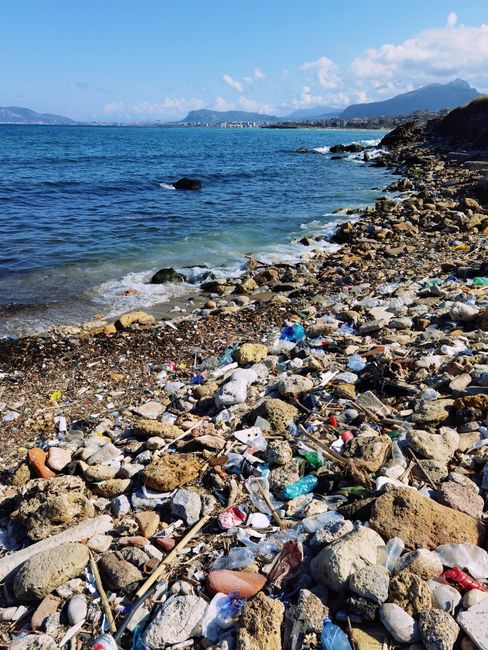
Environmental advocates point to the severe impact of plastic on marine ecosystems as a primary reason for immediate action. Research has shown that plastic debris is increasingly found in the bodies of seabirds and other marine life, causing significant harm to biodiversity. For many, the continued delay in reaching a binding agreement is a missed opportunity to protect these vulnerable environments from further degradation.
United Nations Secretary-General António Guterres has previously expressed deep regret over the inability of nations to reach a deal. He has emphasized that the issue is too urgent to be left for the future, noting that business as usual could lead to a tripling of plastic production by 2060. His comments reflect the broader frustration felt by many who are monitoring the slow progress of the international talks.
Despite the lack of a final text, officials from the United Nations Environment Programme have highlighted that all countries involved still wish to remain at the table. This commitment to continued dialogue is seen as a positive sign that a resolution is still possible. The challenge remains to find a compromise that addresses the concerns of all parties while effectively tackling the global plastic crisis.
As negotiations move forward, the focus will likely remain on finding a balance between economic interests and environmental protection. The outcome of these talks will have long-term consequences for how the world produces, consumes, and disposes of plastic materials. Future sessions will be critical in determining whether the international community can finally deliver a robust and binding instrument to address this persistent environmental challenge.
You've reached your free article limit
You've read 10 of 10 free articles this month. Subscribe to Planet Earth News Network for unlimited access to neutral, global journalism — plus puzzles, podcasts, and the weekly newsletter.
Already a subscriber? Sign in.
Ask the Author
Subscribers can ask the journalist a question about this story. Subscribe to ask.
Nota de neutralidad
Auto-harvested from global news wires and presented neutrally by PENN.
to vote
Comments
No comments yet — be the first to share your thoughts.