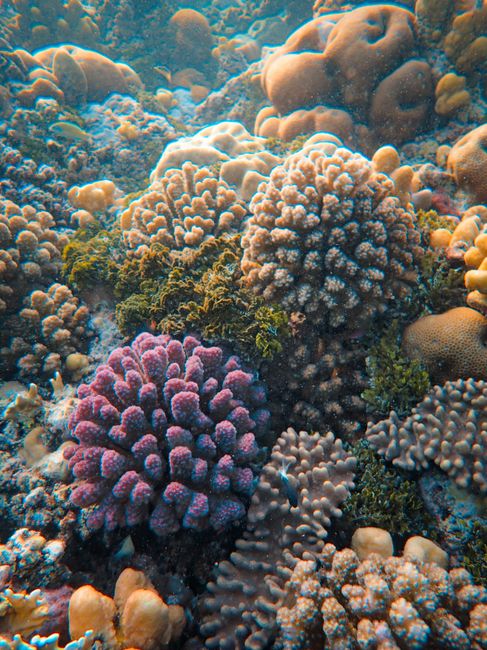
Global Ocean Protection Reaches Historic Ten Percent Milestone
International conservation efforts have officially secured protection for over one-tenth of the world's oceans, marking a significant achievement for marine biodiversity.

PENN Explainer
Hear this story explained in 90 seconds.
For the first time in history, more than 10 percent of the global ocean is now officially under protection. This milestone represents a major benchmark for international marine conservation and reflects years of coordinated efforts to safeguard underwater ecosystems. The achievement was highlighted in recent reports tracking global progress toward biodiversity goals. Experts note that this level of coverage is essential for maintaining the health of marine life and the stability of oceanic environments.
The expansion of protected areas is intended to mitigate the impacts of overfishing, habitat destruction, and climate change on vulnerable sea species. By setting aside these regions, nations aim to provide safe havens where marine populations can recover and thrive. This development follows the recent activation of the High Seas Treaty, which established new standards for environmental review in international waters. Previously, these vast areas often operated in a legal gray zone with limited oversight or conservation requirements.
The treaty now provides a framework for managing human activities in areas beyond national jurisdiction. This legal structure is expected to further enhance the effectiveness of existing marine protected areas. Community stewardship is also playing a vital role in the success of these initiatives. In many regions, Indigenous peoples and local communities are actively involved in managing and patrolling protected zones.
This approach is considered a highly cost-effective way to ensure that conservation rules are respected on the ground. By integrating traditional knowledge with modern science, these groups are helping to maintain the integrity of coastal and deep-sea habitats. The global community continues to grapple with the challenge of balancing economic development with environmental preservation. While the 10 percent mark is a significant step forward, many scientists and policymakers emphasize that further action is required to meet more ambitious long-term targets.
Ongoing discussions at international forums focus on how to scale up these protections while ensuring equitable outcomes for all nations. Future efforts will likely prioritize the connectivity of protected areas to allow for the migration and adaptation of marine species. As the world moves toward these goals, the focus remains on turning policy commitments into tangible results for the health of the planet.
You've reached your free article limit
You've read 10 of 10 free articles this month. Subscribe to Planet Earth News Network for unlimited access to neutral, global journalism — plus puzzles, podcasts, and the weekly newsletter.
Already a subscriber? Sign in.
Ask the Author
Subscribers can ask the journalist a question about this story. Subscribe to ask.
Neutrality note
Auto-harvested from global news wires and presented neutrally by PENN.
to vote
Comments
No comments yet — be the first to share your thoughts.