Businessen
Global Oil Prices Reach Five-Month High Amid Escalating Maritime Security Concerns
Increased attacks on shipping vessels and energy facilities drive energy costs upward as markets react to supply chain instability.
PENN Explainer
Hear this story explained in 90 seconds.
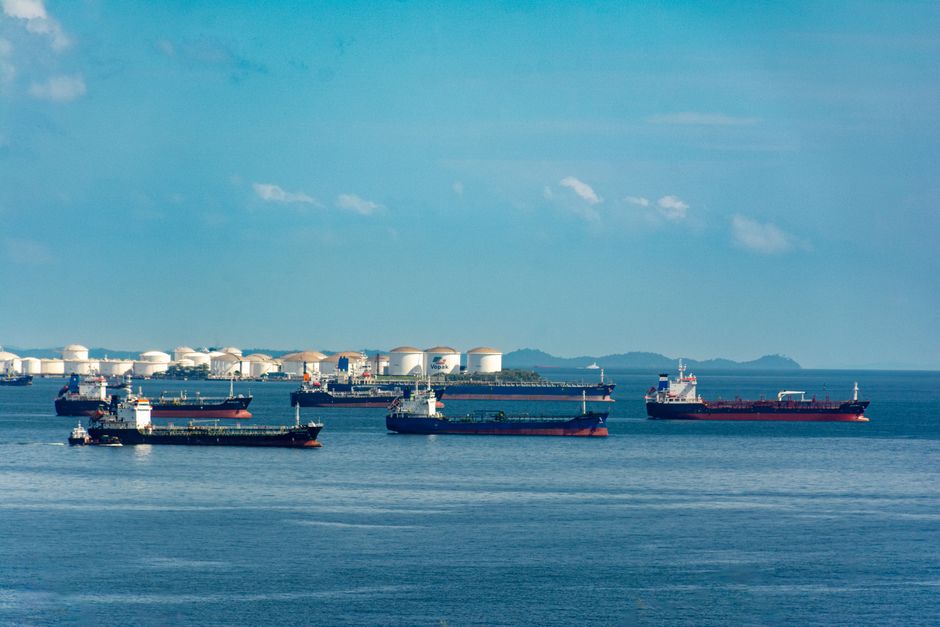
Global oil prices have climbed to their highest level in five months as ongoing security threats disrupt international shipping routes and energy infrastructure. The recent surge in costs reflects growing market anxiety regarding the stability of global energy supplies. Analysts point to a series of targeted attacks on vessels and facilities as the primary driver behind the sudden price movement.
These disruptions have created significant challenges for the global energy sector, which relies on consistent transit through key maritime corridors. As security risks rise, insurance premiums for shipping companies have increased, further adding to the overall cost of transporting crude oil. This environment of uncertainty has forced traders to reassess their positions in the energy market.
Manufacturing sectors across the globe are already feeling the impact of these rising costs. A recent report from GEP Consulting noted that shortages of oil and oil-based products have become particularly acute in recent weeks. John Piatek, the vice president of GEP Consulting, stated that manufacturers are facing renewed pressure on both the cost and availability of essential raw materials.
While demand for manufactured goods remains strong, the rising cost of energy inputs threatens to dampen industrial growth. Companies are currently navigating a complex landscape where they must balance increased purchasing activity with the reality of higher transportation and supply chain expenses. This volatility is being closely monitored by economists who track global supply chain health.
Energy security has become a central theme for policymakers and business leaders alike. The current situation has spurred discussions about the need for more resilient energy infrastructure and diversified supply chains. Some experts suggest that these pressures could accelerate the development of upstream gas assets in regions like Asia to reduce reliance on vulnerable transit routes.
Market participants are also watching how central banks and governments respond to the inflationary pressure caused by higher energy prices. If oil costs remain elevated for an extended period, the impact could ripple through the broader economy, affecting everything from consumer goods to transportation services. The current price levels represent a significant shift from the trends observed earlier in the year.
Despite the challenges, some sectors are attempting to adapt through strategic investments and operational changes. Businesses are increasingly looking for ways to optimize their logistics and reduce dependency on high-risk supply lines. These efforts are part of a broader trend toward building more robust and flexible business models in an unpredictable global market.
Investors are keeping a close eye on geopolitical developments that could influence future price movements. The intersection of energy policy, international security, and market demand remains a critical area of focus for financial analysts. As the situation evolves, the ability of global markets to absorb these shocks will be tested.
Looking ahead, the stability of oil prices will likely depend on the success of efforts to secure maritime routes and stabilize energy production. The coming weeks will be crucial for determining whether these price increases are a temporary spike or the beginning of a more sustained period of higher energy costs. Market observers remain cautious as they await further data on supply levels and security outcomes.
You've reached your free article limit
You've read 10 of 10 free articles this month. Subscribe to Planet Earth News Network for unlimited access to neutral, global journalism — plus puzzles, podcasts, and the weekly newsletter.
Already a subscriber? Sign in.
Ask the Author
Subscribers can ask the journalist a question about this story. Subscribe to ask.
Neutrality note
Auto-harvested from global news wires and presented neutrally by PENN.
to vote
Comments
No comments yet — be the first to share your thoughts.